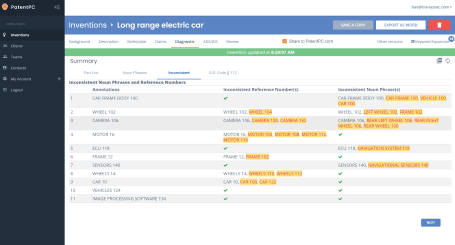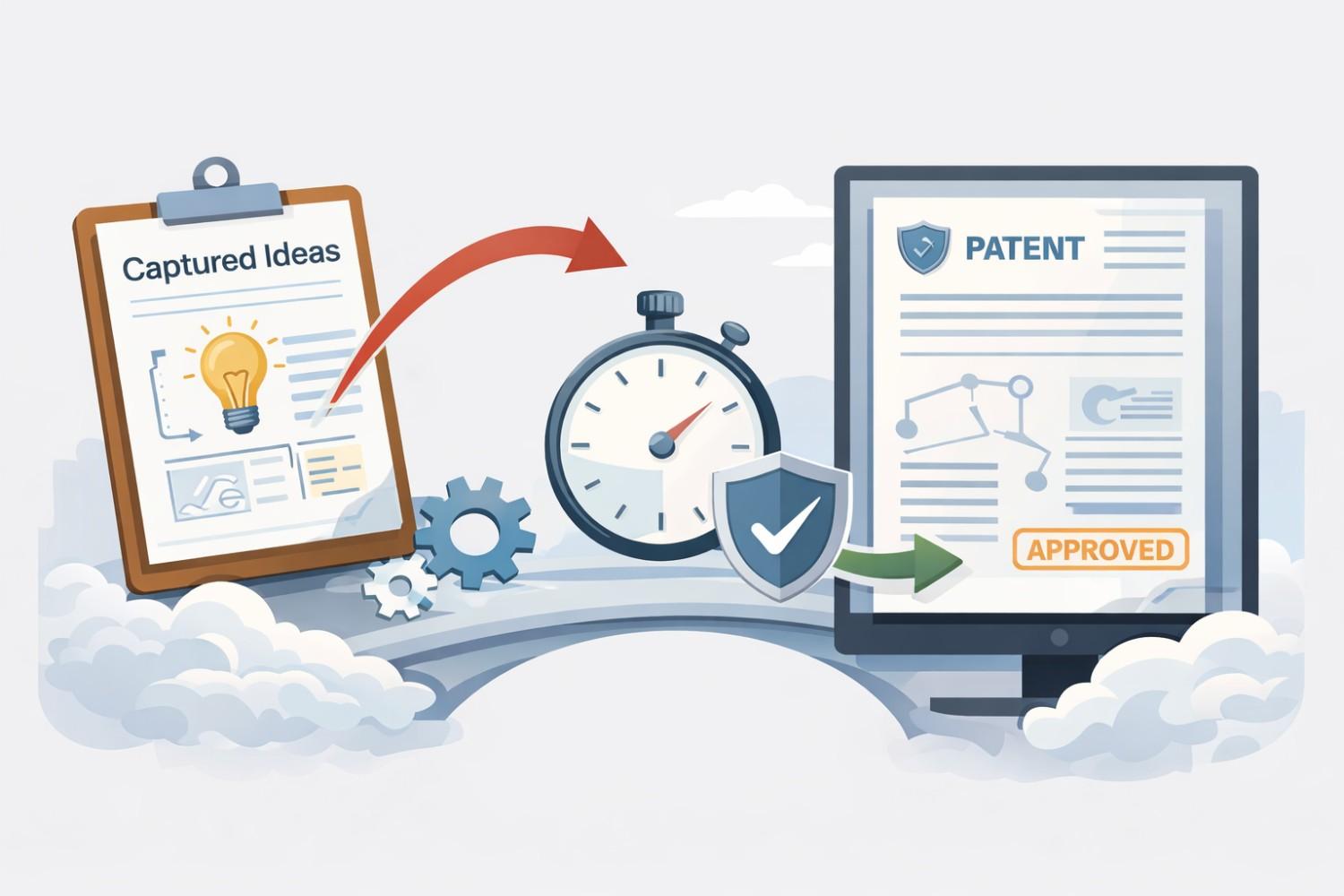
Your invention is moving fast. Your team is building. Code is shipping. Models are training. Hardware is getting tested. But your patent process? It is slow, messy, and stuck in email threads. That gap is dangerous. If your invention intake lives in scattered docs, Slack messages, and whiteboard photos, and your patent drafting lives somewhere else with a law firm, things will break. Details get lost. Claims get weak. Timelines slip. Costs rise. This is where smart founders win.
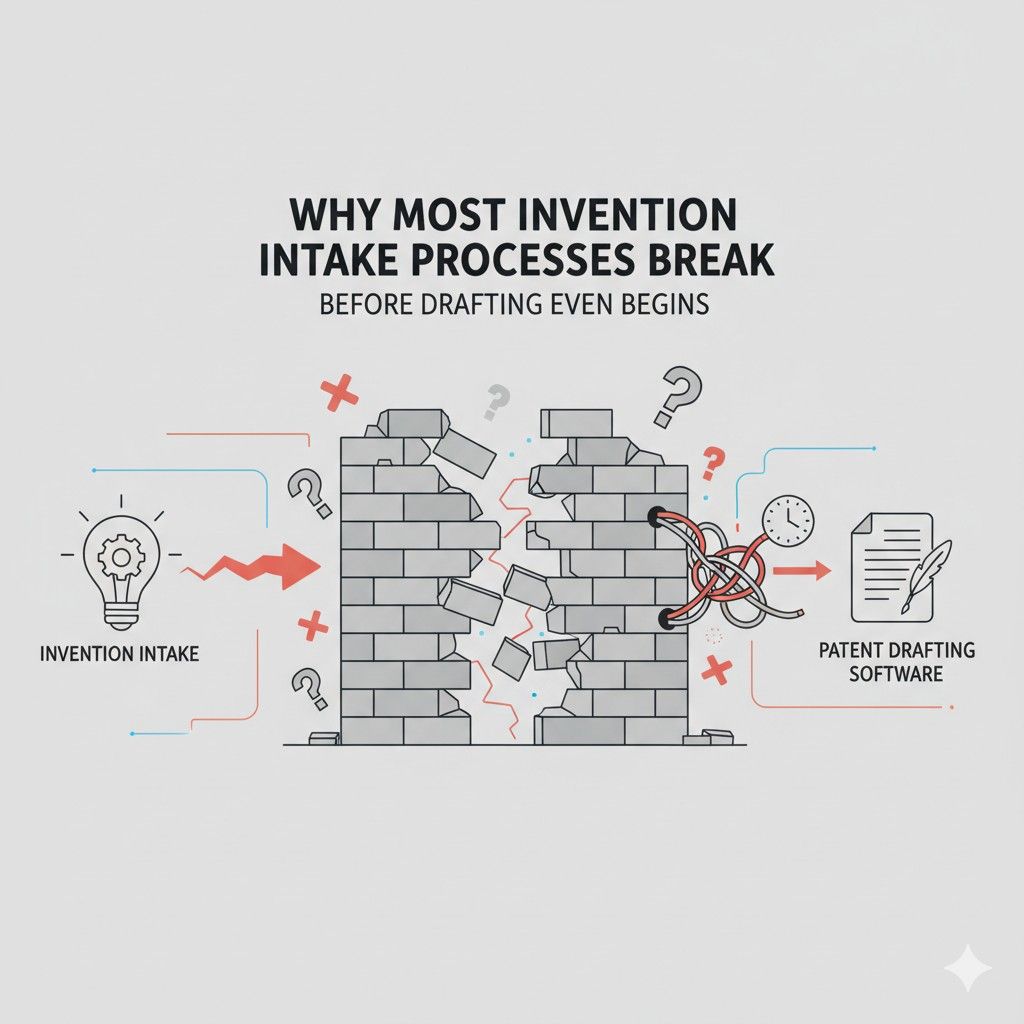
Why Most Invention Intake Processes Break Before Drafting Even Begins
Before a patent is ever written, something quiet but serious often goes wrong. The problem does not start with legal language. It does not start with claims. It starts much earlier.
It starts at intake.
In many startups, invention intake is not a real system. It is a rushed form. A Slack message. A quick call with outside counsel. A half-filled template that no one updates.
By the time drafting begins, the details are already thin, unclear, or outdated.
If you want strong patents, you must fix the intake stage first. What follows is a deep look at why intake breaks down inside growing companies and what you can do right now to stop the damage before it spreads.
Intake Is Treated Like Paperwork Instead of Product Strategy
In many companies, invention intake feels like a task to check off. Someone says, “We should file a patent.” An engineer writes a short summary. It gets emailed to a lawyer. The team moves on.
This is a mistake.
Your patent is not paperwork. It is a product asset. It protects the work your team is shipping. If intake is rushed, your patent will reflect that rush. Weak input leads to weak protection.
The fix begins with mindset.
Intake Must Be Framed as a Strategic Capture Moment
When a team member submits an invention, that moment should feel important. It should feel like capturing value, not filling a form.
To do this, connect intake to business goals. Make it clear that every invention submitted should tie to revenue, user growth, or technical advantage.
Ask inventors to explain why the feature matters in the market, not just how it works.
When intake is framed this way, engineers slow down and think deeper. They give better detail. They explain tradeoffs. They surface alternatives. All of this makes drafting stronger later.
Engineers Are Asked the Wrong Questions
Most intake forms ask basic questions. What is the invention? Who invented it? When was it created?
These are not enough.
Strong patents require detail about how the system works under the hood. What problem existed before. Why existing solutions failed. What makes this approach different.
If intake questions are shallow, your draft will be shallow.
Intake Should Mirror How Engineers Actually Think
Engineers do not think in legal terms. They think in architecture diagrams, data flow, edge cases, and performance metrics.
If your intake process forces them into rigid legal boxes, they will give short answers. Instead, let them describe the system in their own way first. Let them attach diagrams. Let them explain edge cases and failure modes.
Then use software to structure that information into patent-ready form.
When intake aligns with how builders think, you capture richer data without friction.

If you want to see how modern platforms guide inventors through smart, structured capture without overwhelming them, explore how it works here:
https://powerpatent.com/how-it-works
Intake Happens Too Late in the Development Cycle
Another major failure point is timing.
Teams often wait until a feature is already live before starting intake. By then, details are forgotten. Design decisions are blurry. Early versions are lost in old commits.
This delay weakens your patent position.
Capture Inventions at the Design Stage, Not After Launch
The best time to start intake is when a system design is stable but before full rollout. At this stage, the team still remembers why choices were made. Alternatives are fresh in mind. The problem being solved is clear.
You can build a simple trigger inside your development flow. When a feature passes internal review or architecture sign-off, it triggers an invention intake prompt. This keeps capture close to creation.
When intake is tied to engineering milestones, it becomes part of the build process, not an afterthought.
Founders Rely Too Much on Outside Counsel to Extract Details
Traditional patent firms often send a short questionnaire and schedule a call. They expect the inventor to explain everything in one conversation.
That rarely works well.
Engineers are busy. Calls are short. Important nuances get skipped. The attorney may not fully grasp the technical depth, especially in deep tech fields like AI, robotics, or biotech.
Structured Pre-Draft Capture Reduces Cost and Risk
Before any attorney joins, your team should already have a structured record of the invention. This includes system flow, key components, data movement, variations, and possible extensions.
When attorneys receive this level of detail, they can focus on strategy instead of basic fact-finding. That saves time. It reduces billable hours. It also lowers the chance that something critical is missed.
Modern patent drafting software can help bridge this gap. It guides inventors to provide the right depth up front, then routes that information to real attorneys for review and refinement.
This blend of smart software and attorney oversight is what helps founders move faster without cutting corners.
If you are curious how that kind of system works in practice, you can see the process here:
https://powerpatent.com/how-it-works
There Is No Single Source of Truth
In many startups, invention details are scattered. Some notes live in Notion. Some in Google Docs. Some in GitHub issues. Some in private messages.
When drafting begins, someone tries to gather everything manually. Pieces are missed. Versions conflict. No one is sure which diagram is final.
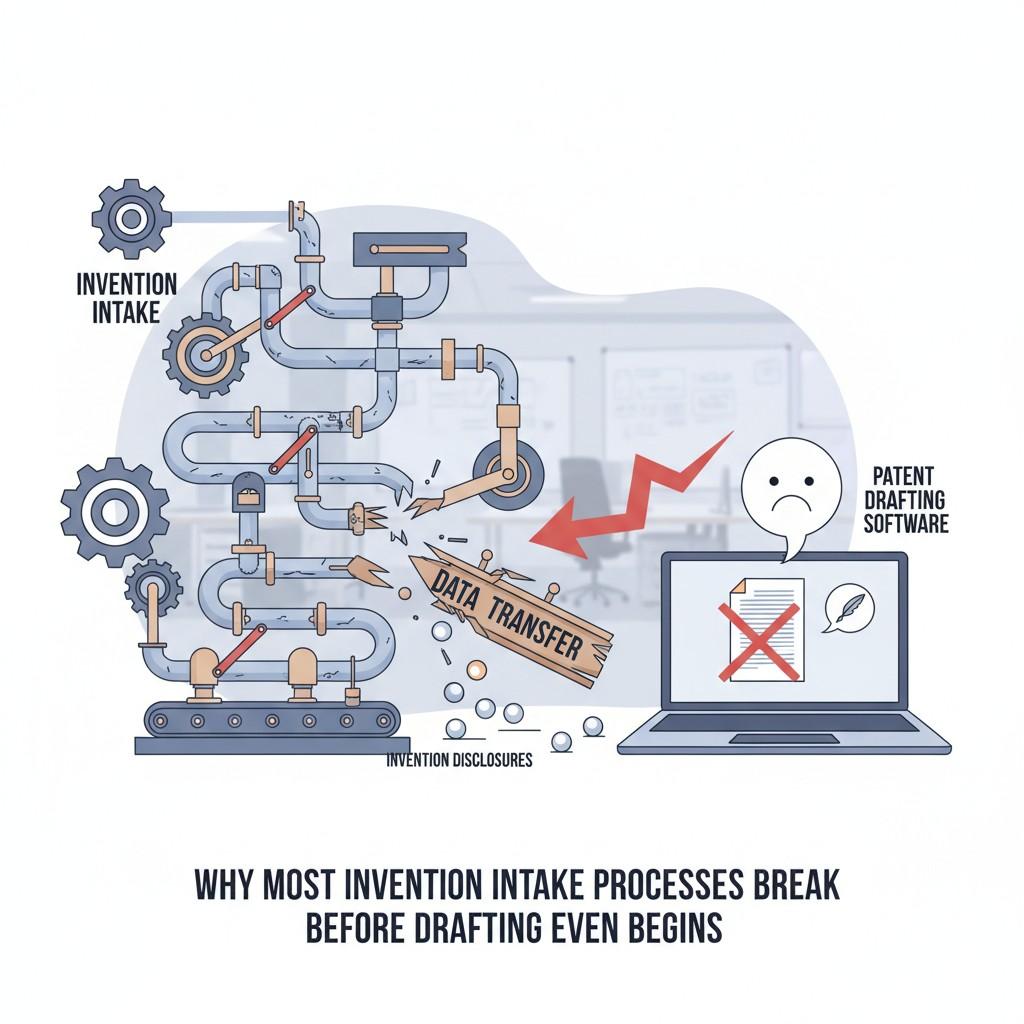
This chaos directly weakens patents.
Centralize Technical Insight Before Drafting Starts
You need one controlled space where invention data lives from day one. That space should allow updates as the system evolves. It should track versions. It should log who contributed what.
When intake feeds directly into drafting software, the patent application is built on the same structured data source. There is no retyping. No guesswork. No hunting for missing files.
This clean connection reduces human error. It also creates a record that can help later if your patent is ever challenged.
Teams Underestimate the Importance of Variations
A common intake flaw is focusing only on the main version of the invention. The team describes what they built and stops there.
But strong patents protect variations. They cover alternate flows, optional features, different system configurations.
If these are not captured at intake, they are often forgotten.
Build a Habit of Exploring “What Else Could This Be?”
During intake, encourage inventors to think beyond the current product release. Ask what other industries could use this system. Ask what happens if a component is swapped. Ask how the system could scale.
These prompts expand the scope of protection without requiring more engineering work.
When this exploration is built into your intake software, it becomes part of the workflow instead of an extra meeting.
Intake Is Not Connected to Business Roadmap
Sometimes patents are filed around features that never become core to the company. Meanwhile, critical differentiators go unprotected.
This happens because intake is disconnected from product and business planning.
Align Intake With Strategic Priorities
Every invention submitted should be evaluated against your roadmap. Does it protect your main revenue driver? Does it defend against a known competitor? Does it secure a key technical advantage?
You can build a simple review layer into your intake process. Before drafting starts, a founder or product lead confirms that the invention aligns with long-term strategy.
This prevents wasted filings and focuses your patent budget where it matters most.
When intake is structured, connected to drafting software, and aligned with company goals, the entire patent process becomes clearer and more controlled.

Most breakdowns happen before drafting even begins. Fix intake, and everything downstream improves.
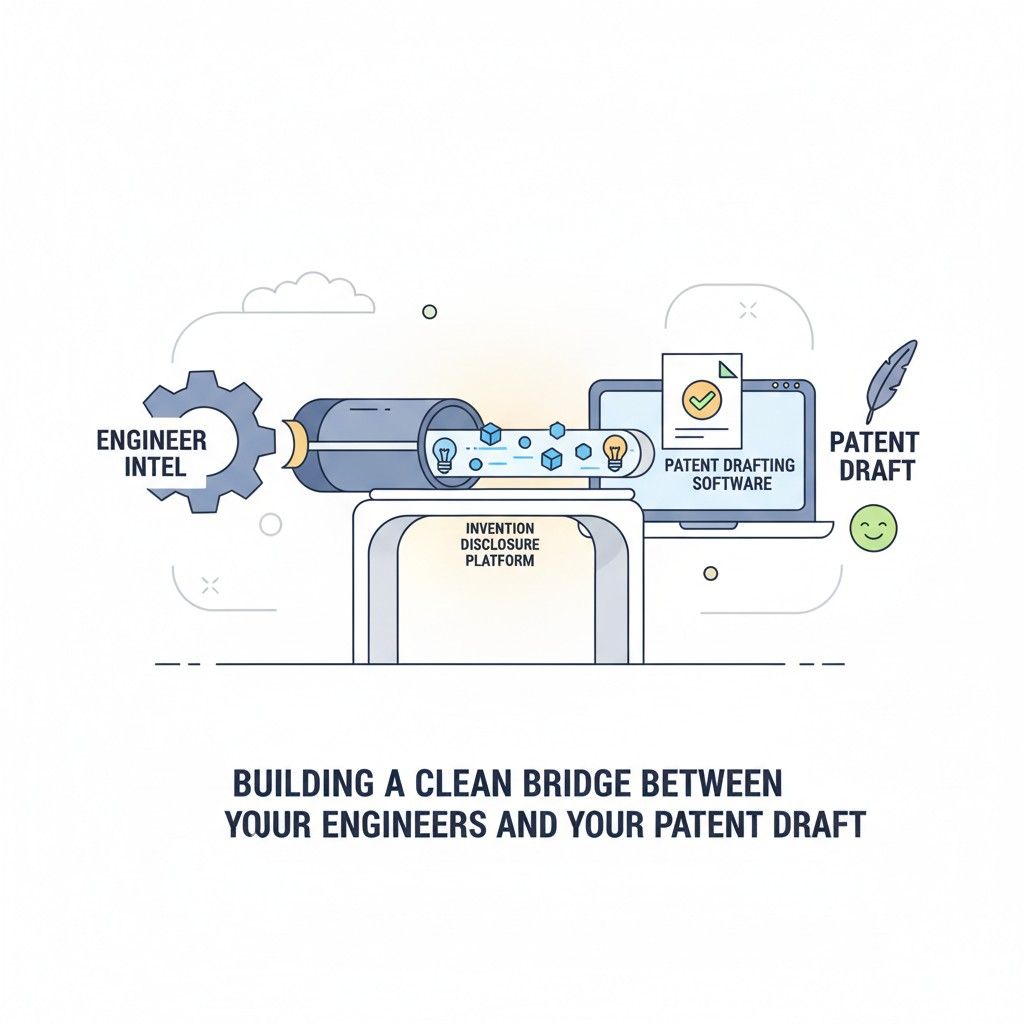
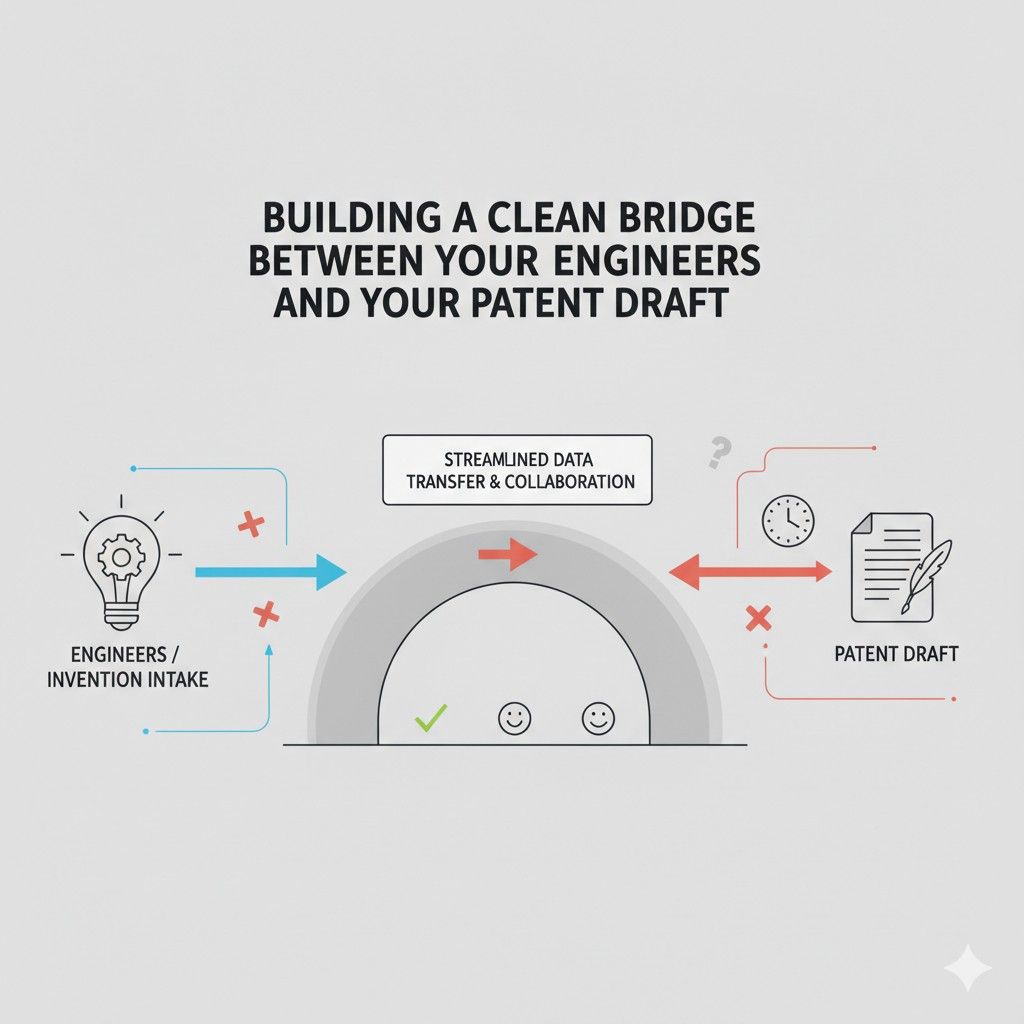
Building a Clean Bridge Between Your Engineers and Your Patent Draft
A patent is only as strong as the information that feeds it. If your engineers speak one language and your patent draft speaks another, things get lost in translation. That gap creates weak claims, missed angles, and wasted time.
The goal is simple. Create a direct, clean bridge between the people building the invention and the system that turns it into a filed patent. When that bridge is solid, you move faster. You protect more. You reduce stress for everyone involved.
This is not about adding more meetings. It is about designing a smarter flow of information from codebase to patent draft.
Engineers Build Systems, Not Legal Documents
Engineers think in flows, inputs, outputs, latency, edge cases, and failure modes. Patent drafts think in structured descriptions, diagrams, and defined components.
If you expect engineers to manually convert their thinking into legal structure, you create friction.
That friction leads to short summaries. Vague answers. Missing technical depth.
To build a real bridge, you must respect how engineers naturally communicate.
Start With Raw Technical Capture, Not Legal Formatting
The first layer of your bridge should allow engineers to explain the invention in plain technical language.
Let them describe how the system works from start to finish. Let them talk about why certain design choices were made. Let them attach architecture diagrams or flow charts.
Do not force them to think about claims or formal wording at this stage.
When invention intake tools are designed around technical storytelling instead of legal formatting, engineers provide richer and more accurate detail. That raw depth becomes the foundation of a stronger patent draft.
Platforms like PowerPatent are built with this in mind. They help founders and engineers input real technical detail first, then structure it for drafting with attorney oversight layered on top.
You can see how that flow works here:
https://powerpatent.com/how-it-works
Translate Without Diluting Technical Depth
Once technical detail is captured, the next step in the bridge is structured translation. This does not mean simplifying the invention. It means organizing it.
The system should break the invention into components, steps, and variations. It should identify key parts that form the core innovation. It should separate background context from the actual inventive step.
This translation should happen inside software, not through endless email chains.
When you rely on manual back and forth between inventors and outside counsel, translation becomes slow and error-prone. When software helps structure information in real time, clarity improves immediately.
Keep the Engineer in the Loop During Draft Formation
One of the biggest mistakes companies make is cutting engineers out after intake. The draft is written externally. Weeks later, a near-final document is sent back for review. By then, the engineer barely remembers the context.
A clean bridge keeps inventors engaged during draft formation.
This does not mean they need to edit legal text line by line. It means they should be able to see how their technical explanation is being transformed into structured patent language.

They should confirm diagrams. They should verify flows.
When engineers see their system accurately reflected in the draft, they gain confidence. They also catch small errors early, before filing.
Build Feedback Loops That Are Fast and Focused
Engineers are busy. If feedback cycles are long and unfocused, they disengage.
Instead of sending full drafts with broad questions, structure feedback around specific sections. Ask them to confirm whether a flow diagram matches the real architecture.
Ask whether an alternate implementation was missed. Ask whether any new changes were added since intake.
When drafting software allows targeted comments and tracked revisions, feedback becomes efficient instead of overwhelming.
This reduces filing delays and protects engineering time.
Connect to Real Code and Documentation
A strong bridge connects patent drafting to real technical artifacts. That might include system diagrams, API documentation, model descriptions, or hardware specs.
You do not need to copy entire repositories into a patent tool. But you should reference real materials during intake so the draft reflects what is actually built.
Encourage engineers to link to internal documents when describing the invention. A structured drafting platform can use those references to ensure nothing critical is overlooked.
This also creates a defensible record. If your patent is ever questioned, you can show that it was grounded in real technical work, not vague after-the-fact summaries.
Avoid Version Drift Between Product and Patent
Startups evolve quickly. Features change. Models improve. Infrastructure scales.
If your patent draft is created in isolation, it can drift away from the current product. By the time you file, the system described in the application may not fully match what you are deploying.
To prevent this, your bridge must allow updates before filing. Intake should not be frozen at day one. Engineers should be able to revise key sections as the system stabilizes.
Drafting software that syncs with evolving technical descriptions keeps the patent aligned with reality.
This alignment protects you from filing something outdated or incomplete.
Reduce Dependence on Long Attorney Calls
Traditional patent processes rely on long discovery calls between attorneys and inventors. These calls try to extract every technical detail in one sitting. That is rarely effective.
A cleaner bridge uses structured intake software to gather most of the technical depth before any live discussion. Then attorney time is used for strategy, scope, and refinement.
This reduces cost. It also ensures that conversations are higher quality.
At PowerPatent, the software layer captures structured invention data first. Real patent attorneys then review, strengthen, and finalize the draft.
This combination gives founders both speed and legal depth without chaos. You can explore the process here:
https://powerpatent.com/how-it-works
Create Ownership and Accountability
A bridge works best when someone owns it.
Assign a clear internal role for invention-to-draft coordination. This could be a founder, head of engineering, or product lead. Their job is not to write the patent.
Their job is to ensure that intake is complete, feedback is timely, and drafts reflect business priorities.
Without ownership, drafts sit idle. Engineers delay reviews. Filing dates slip.
With ownership, the bridge stays active and responsive.
Design the Process to Match Startup Speed
Your company likely ships in sprints. You deploy weekly or even daily. Your patent process should not feel like a quarterly event.
When invention intake connects directly to drafting software, and drafting software connects to attorney oversight, the process becomes continuous. New innovations can enter the pipeline as they emerge.
This creates a living patent strategy instead of a reactive scramble.
You are not pausing product work to file patents. You are protecting innovation as it happens.
That is the power of a clean bridge.
When engineers can describe what they built in their own words, when that detail flows into structured drafts, and when real attorneys refine the output without slowing you down, patents stop feeling heavy.
They become part of your build system.

If you want to build that kind of bridge inside your startup, take a closer look at how modern patent workflows are designed for founders and engineers:
https://powerpatent.com/how-it-works
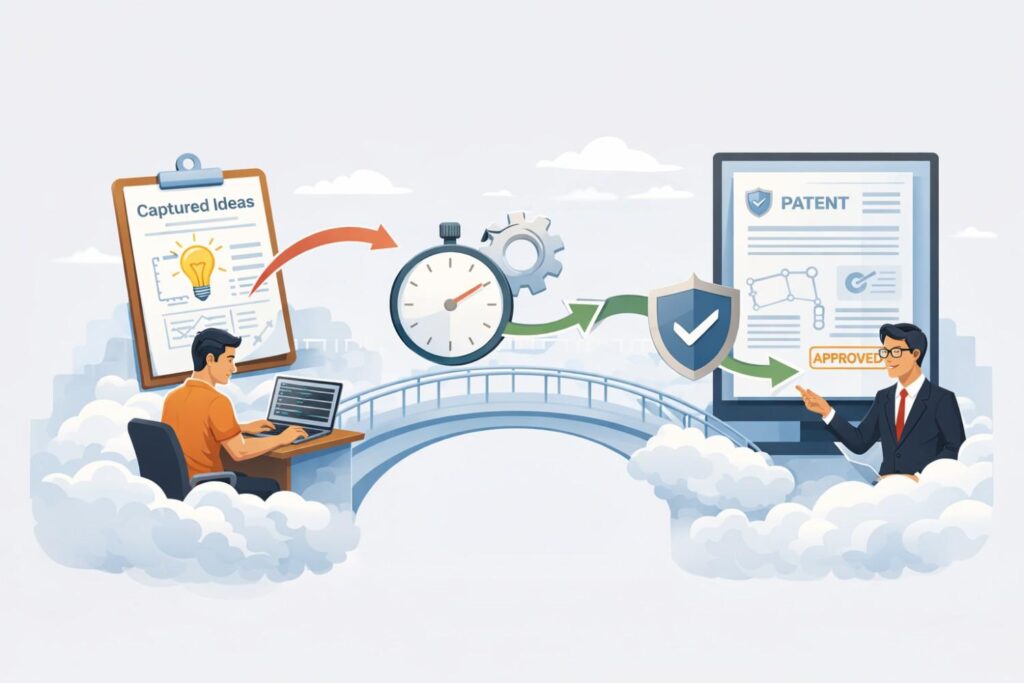
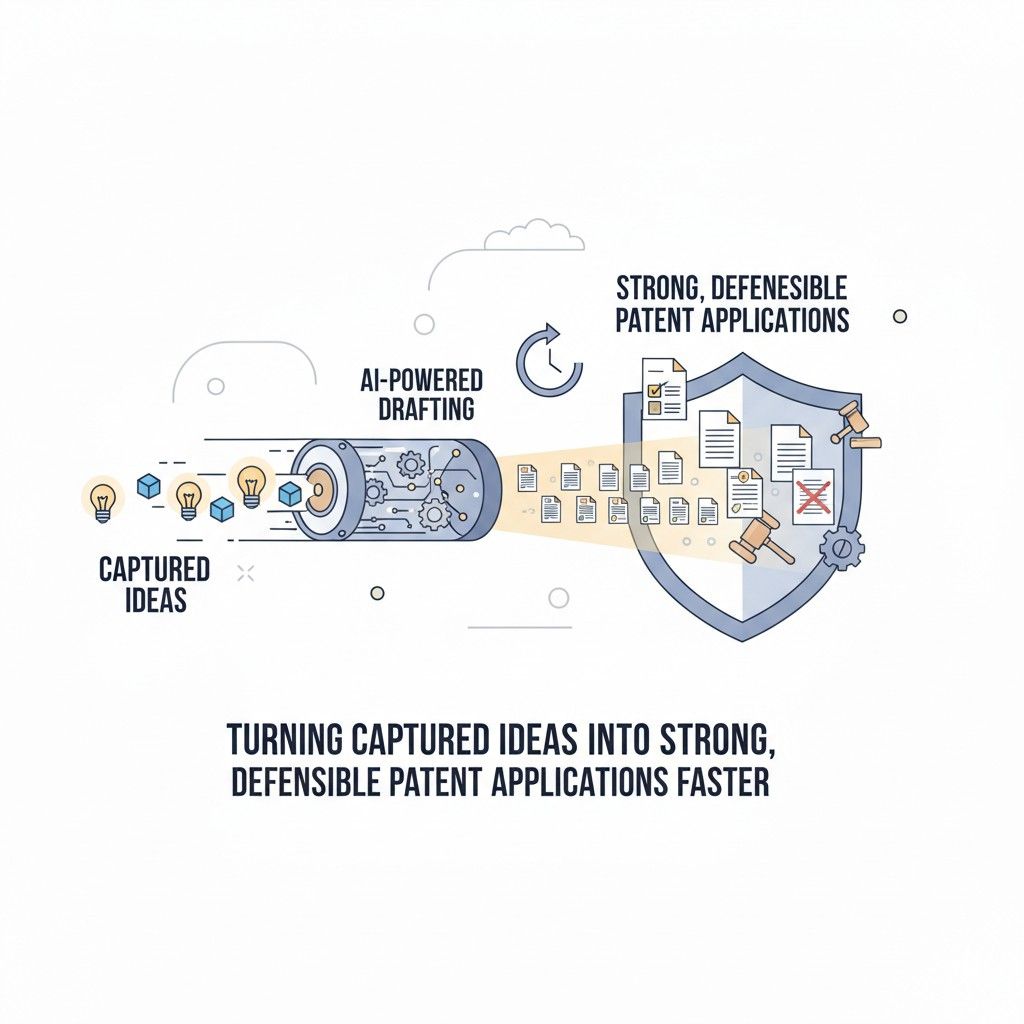
Turning Captured Ideas Into Strong, Defensible Patent Applications Faster
Capturing invention details is only the first half of the job. The real value comes when those raw ideas are shaped into a patent that can stand up to scrutiny. Speed matters.
Strength matters more. The goal is not to file fast and hope. The goal is to file fast and file right.
When invention intake connects cleanly to drafting software, you remove friction. But speed alone does not create protection. You need a system that transforms technical depth into strategic coverage.
This is where most startups either gain leverage or lose it.
Speed Without Structure Leads to Weak Protection
Many founders want to move quickly. They hear that filing early is important, so they rush to submit a provisional patent based on a short summary. It feels productive. It checks a box.
But if the captured material is thin, the application will be thin. And a thin filing does not give you real leverage against competitors or investors’ questions.
The key is controlled speed.
You want drafting software that pulls directly from structured intake and guides the build of the application in a deliberate way. Each section should be based on real technical input, not filler text.
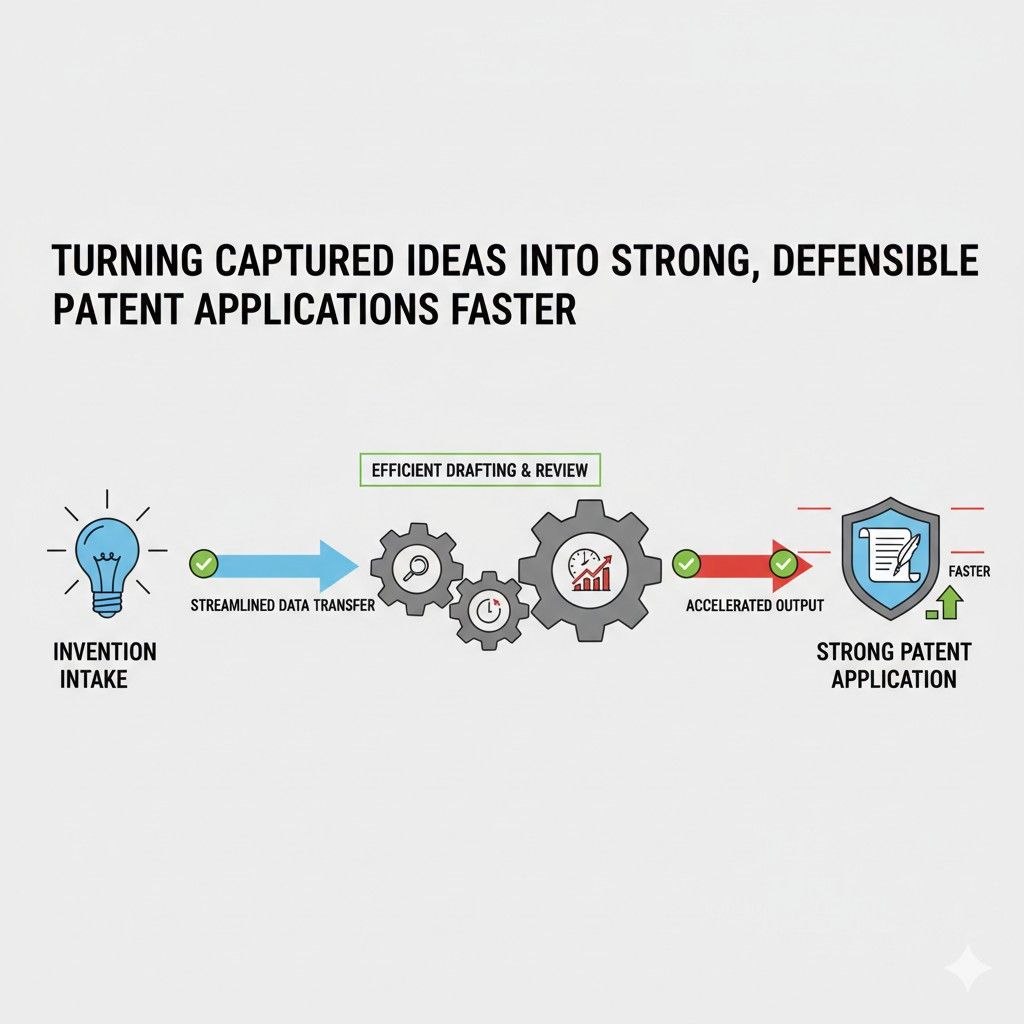
When software organizes captured ideas into background, system overview, detailed flows, and variations, you are not starting from a blank page. You are building on a mapped foundation.
If you want to see how a modern system helps founders move quickly without sacrificing depth, explore how it works here:
https://powerpatent.com/how-it-works
Expand the Core Idea Into Multiple Angles of Protection
Most engineers describe their invention as a single flow. A problem appears. The system responds. An output is generated.
But strong patents rarely protect just one flow. They protect multiple angles around that flow.
Once your captured idea enters drafting software, it should prompt expansion. What if the order of steps changes? What if a module runs in a different environment? What if part of the system is replaced with another method?
These are not imaginary scenarios. They are realistic variations that competitors might use to work around your patent.
Drafting software should help surface these variations while the technical details are still fresh. This is how you move from describing a product to protecting a platform.
Tie Every Claim Back to a Technical Advantage
A defensible patent is not just a description of features. It explains why the invention is better.
When captured ideas are transformed into draft language, the system should preserve the technical advantages described during intake. Did the model reduce latency?
Did the hardware design improve energy use? Did the architecture reduce failure rates?
Those benefits should not disappear in translation.
Strong drafting connects each core element of the invention to a measurable or logical improvement. This makes it easier to defend later and harder for others to dismiss.
As a founder, you should review drafts with one question in mind. Does this document clearly show why our approach is different and better?
If the answer is unclear, the draft needs refinement before filing.
Avoid Overly Narrow Descriptions
Speed can tempt teams to describe exactly what is built and nothing more. But patents that mirror your current code line by line can become traps. If your product evolves, your patent may not cover the new version.
When drafting software transforms captured ideas, it should generalize the core concepts without losing accuracy.
For example, if your system uses a specific type of database today, the draft should describe the broader function of that data storage component.
If you use a certain model architecture, the draft should explain the class of models it belongs to, not just the specific implementation.
This does not mean being vague. It means being smart about scope.
Real attorney oversight plays a critical role here. Software can structure and expand, but experienced patent attorneys ensure the claims are neither too narrow nor too broad. That balance is what makes protection durable.
PowerPatent blends structured software with real attorney review to strike this balance. You can see how that hybrid approach works here:
https://powerpatent.com/how-it-works
Build Claims From the Ground Up, Not as an Afterthought
In weak processes, claims are drafted at the end, almost separate from the technical description. This creates disconnect.
In a strong system, claims evolve alongside the draft. As the software organizes components and flows, it identifies the core inventive elements. These become the backbone of the claims.
This integrated approach speeds up drafting because the foundation is already structured. It also improves quality because claims are anchored in detailed explanation.
As a founder or engineering lead, you should not treat claims as mysterious legal text.
You should view them as the formal boundary of your invention. When reviewing them, ask whether they truly capture the heart of what makes your system special.
If something critical is missing from the claims, it may not matter how well it is described elsewhere.
Use Filing Strategy to Support Business Timing
Turning captured ideas into filed patents is not just a technical process. It is a strategic one.
Your drafting software should allow you to manage timing. Maybe you want to file a provisional application now to secure an early date. Maybe you want to bundle related features into one filing.
Maybe you need to file before a public launch or investor demo.
When intake, drafting, and attorney review are connected in one workflow, you can adjust timing without chaos.
This flexibility is crucial for startups. You do not operate on a fixed annual cycle. You respond to funding rounds, partnerships, and product milestones.
A connected system lets you align patent filings with those moments instead of scrambling at the last minute.
Reduce Rework by Capturing Future Roadmap Elements Early
One powerful way to move faster over time is to think ahead during drafting.
When turning captured ideas into a draft, consider near-term roadmap extensions. If your team plans to add automation layers, new integrations, or expanded model capabilities, capture that direction while drafting the initial application.
This does not require fully built features. It requires thoughtful description of logical extensions.
By including these forward-looking embodiments, you reduce the need for immediate follow-on filings and strengthen your defensive position.
A smart drafting platform prompts this thinking at the right moment, when the invention is still being shaped on paper.
Create an Internal Review Standard Before Filing
Before any application is filed, create a short internal standard. The draft should clearly explain the problem.
It should detail the system in a way another engineer could understand. It should outline multiple variations. It should include claims that reflect the core advantage.
When you connect invention intake directly to drafting software, much of this standard is built into the workflow. But a final internal review ensures alignment with your business goals.
Do not treat filing as the end of a task. Treat it as the formal launch of a protected asset.
Move From Reactive to Proactive Protection
When captured ideas flow smoothly into structured drafts and attorney-reviewed filings, something important shifts.
Patents stop feeling like interruptions. They become part of how you build.
Instead of reacting to investor pressure or competitor moves, you proactively secure your technical edge.
Each new breakthrough enters a clear pipeline. Each application is built on structured, detailed input. Each filing supports your long-term moat.
That is how startups turn innovation into leverage.
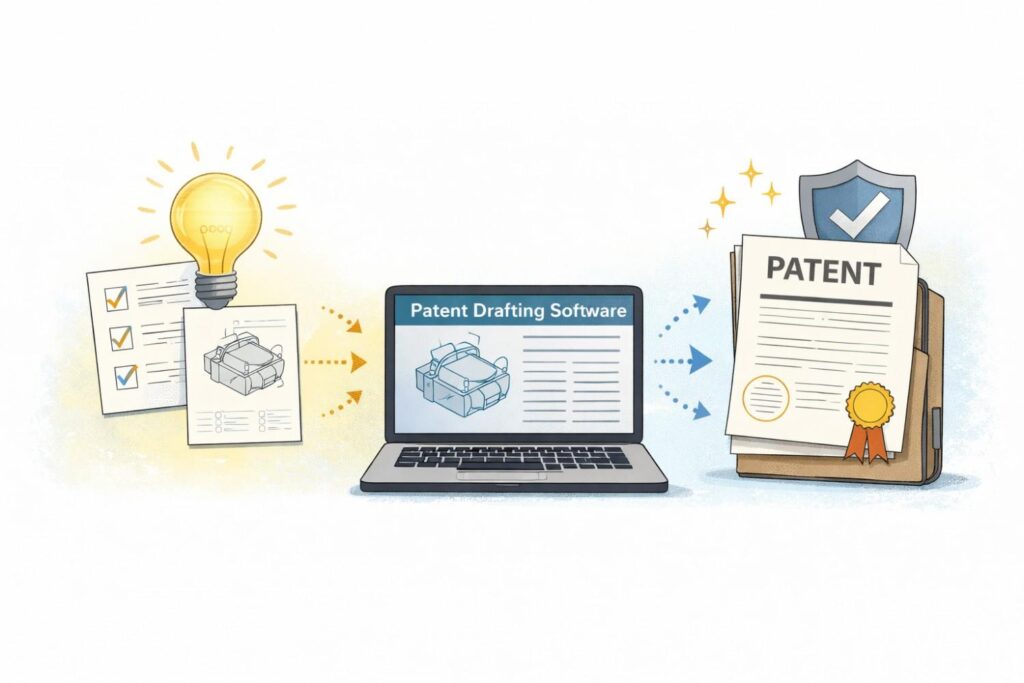
If you are serious about protecting what you are building without slowing your team down, take time to understand how a connected invention-to-draft system works in practice:
https://powerpatent.com/how-it-works
Wrapping It Up
If you take one thing from this entire guide, let it be this. Your patent strength is decided long before a lawyer writes a single claim. It starts at invention intake. It grows through structured capture. It becomes real when that capture flows directly into drafting software. And it becomes powerful when real attorneys refine and lock it in without slowing your team down.