Will AI Replace Patent Lawyers? Why the Winning Patent Workflow Is Human Judgment + AI
Will AI Replace Patent Lawyers? Why the Winning Patent Workflow Is Human Judgment + AI
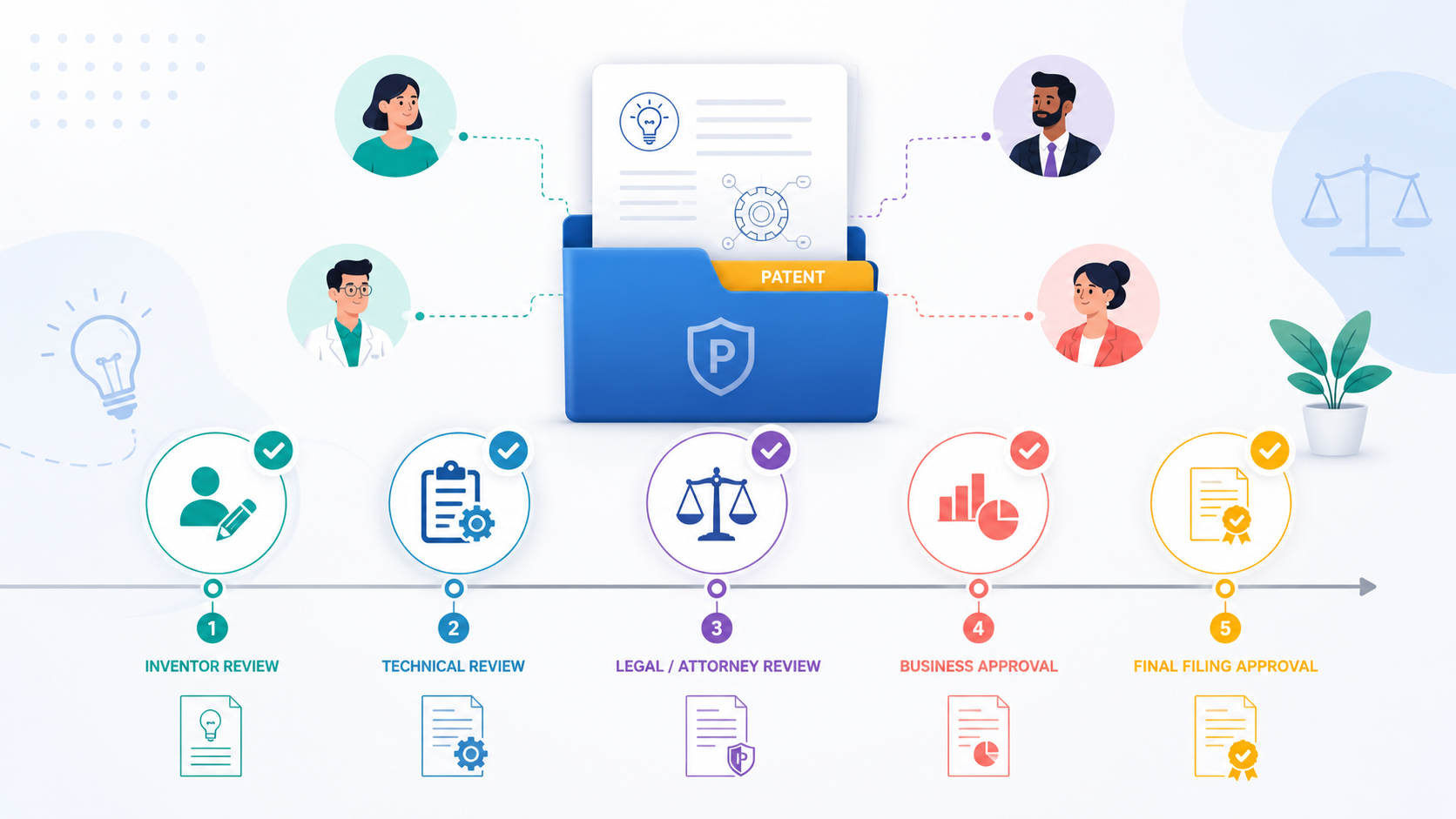
Patent Filing Approvals: Who Needs to Review What and When
Learn who should review patent filings, when approvals are needed, and how to avoid delays before submission.
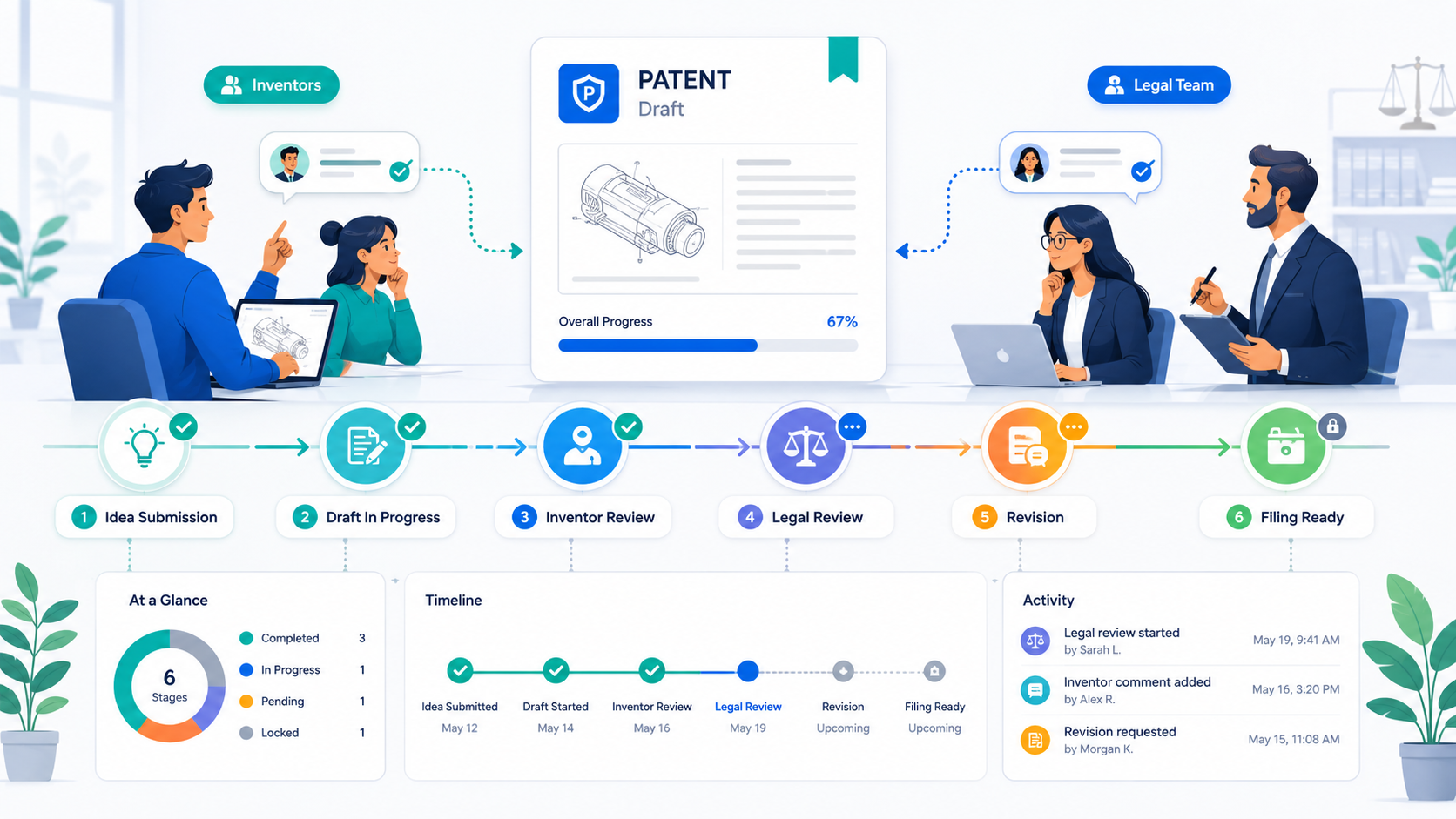
How to Track Patent Draft Status Across Inventors and Legal Teams
Discover simple ways to track patent draft status across inventors, attorneys, and legal teams without losing key details.
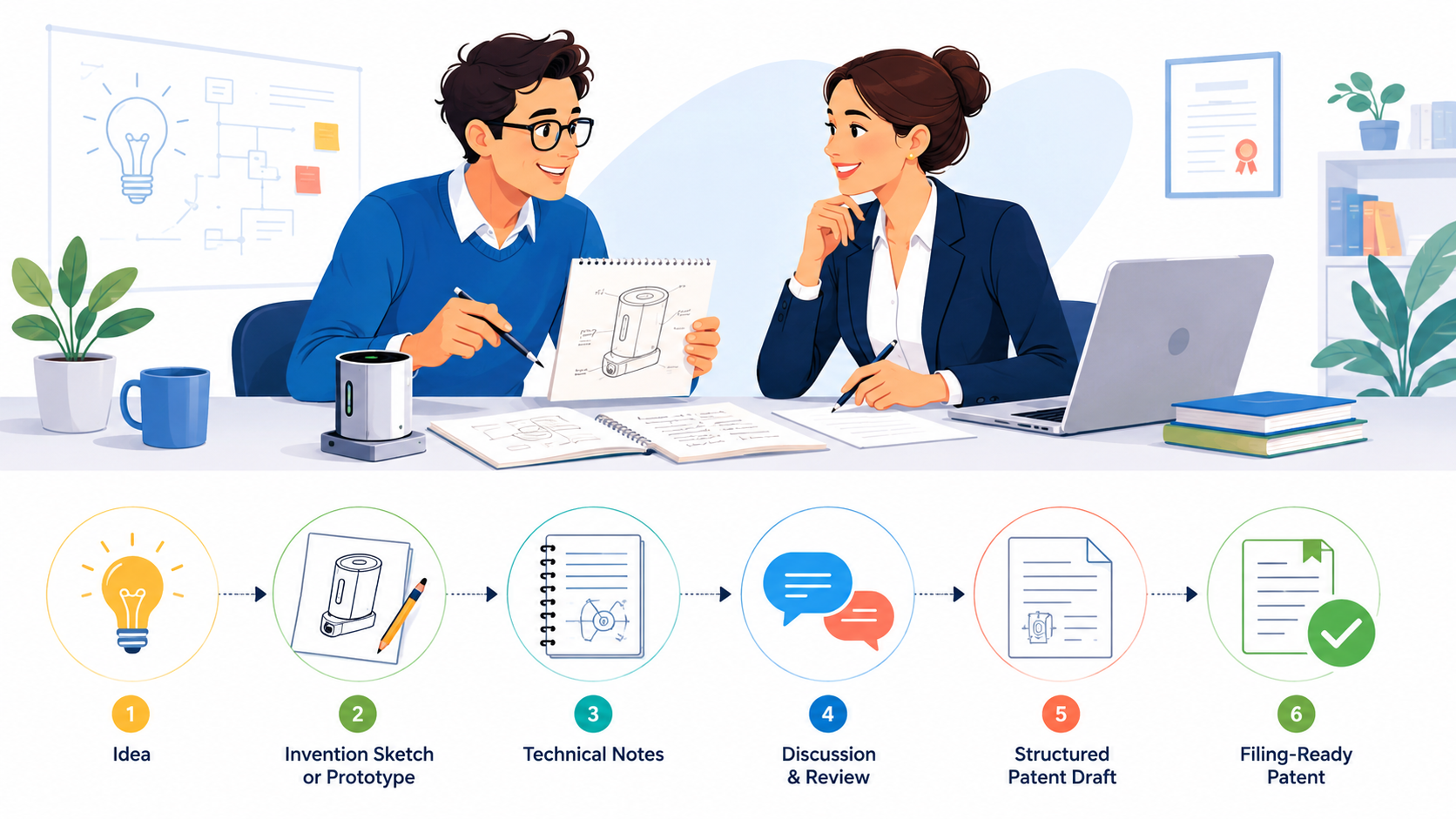
Inventor-Attorney Workflow Playbook: From Idea to Filing-Ready Patent
Follow a simple workflow that helps inventors and attorneys move from raw idea to filing-ready patent with fewer delays.
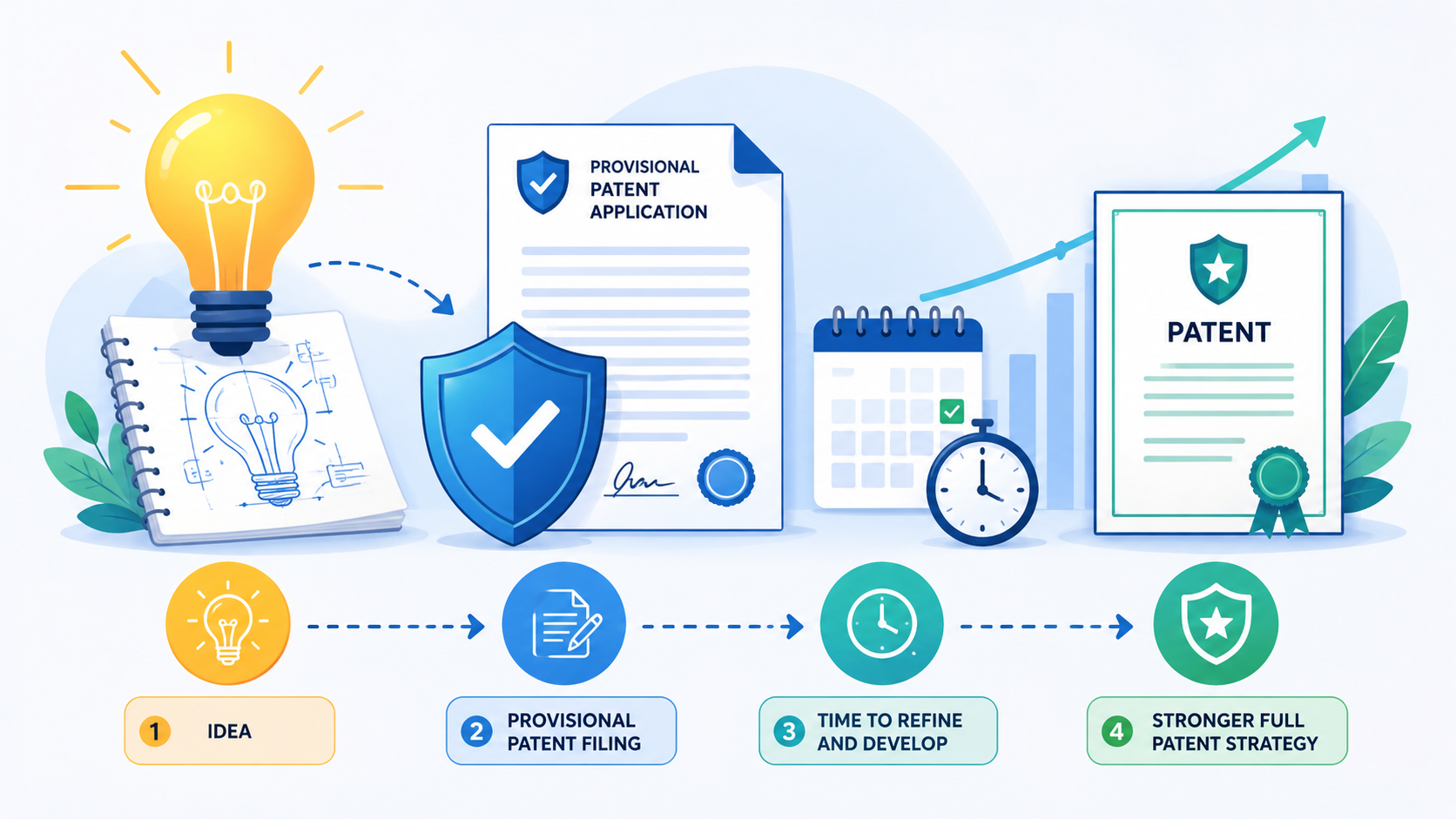
Provisional Patent Strategy: How to Protect an Idea Early
Learn how a provisional patent can help founders protect an idea early while they test, build, raise funds, or refine the product.
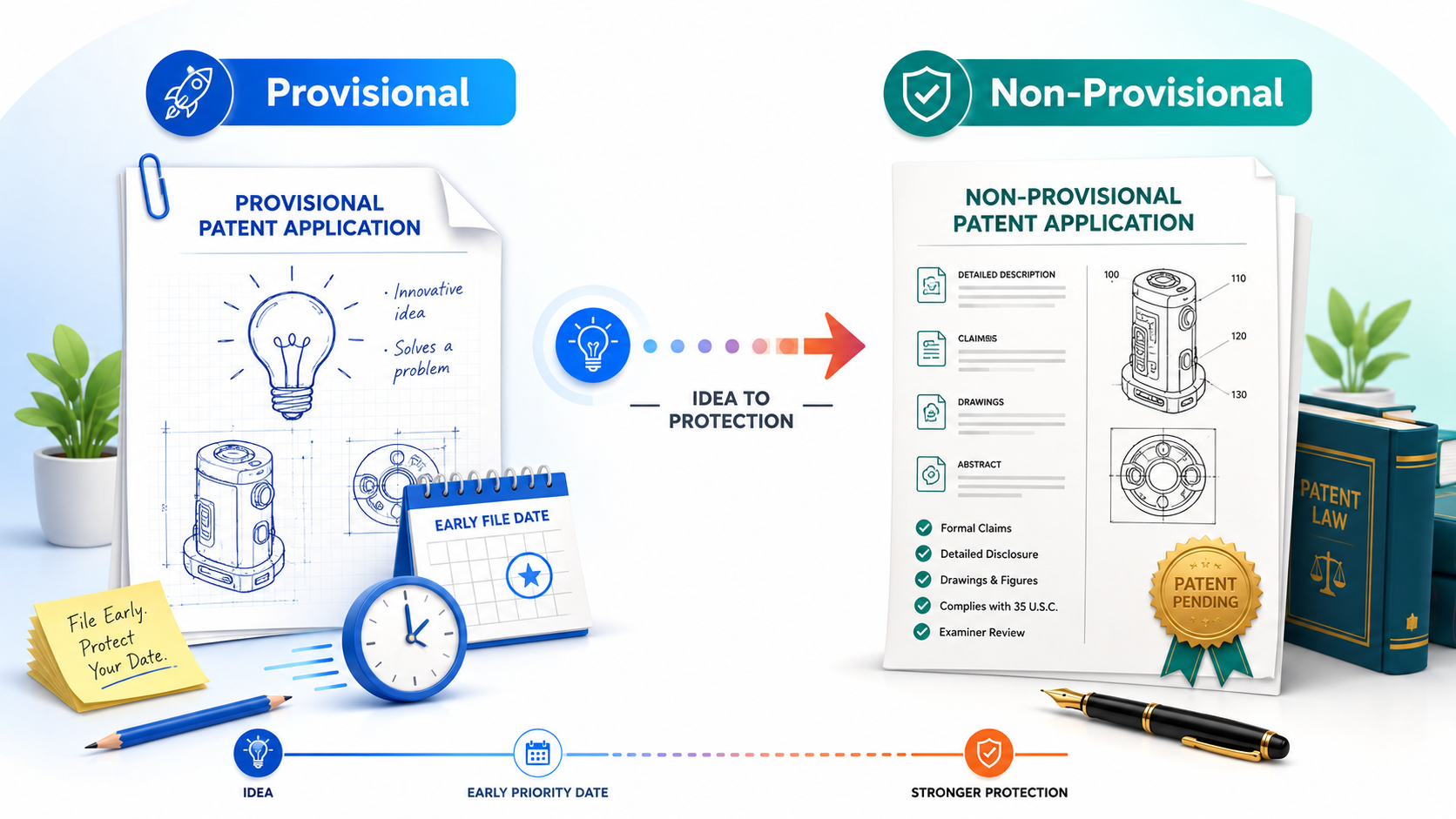
Provisional vs Non-Provisional Patent: What Founders Should Know
Understand the key differences between provisional and non-provisional patents so founders can choose the right filing path.

Attorney–Inventor Collaboration for Software and AI Patents
Learn how inventors and attorneys can work together to create stronger software and AI patent applications with less confusion.
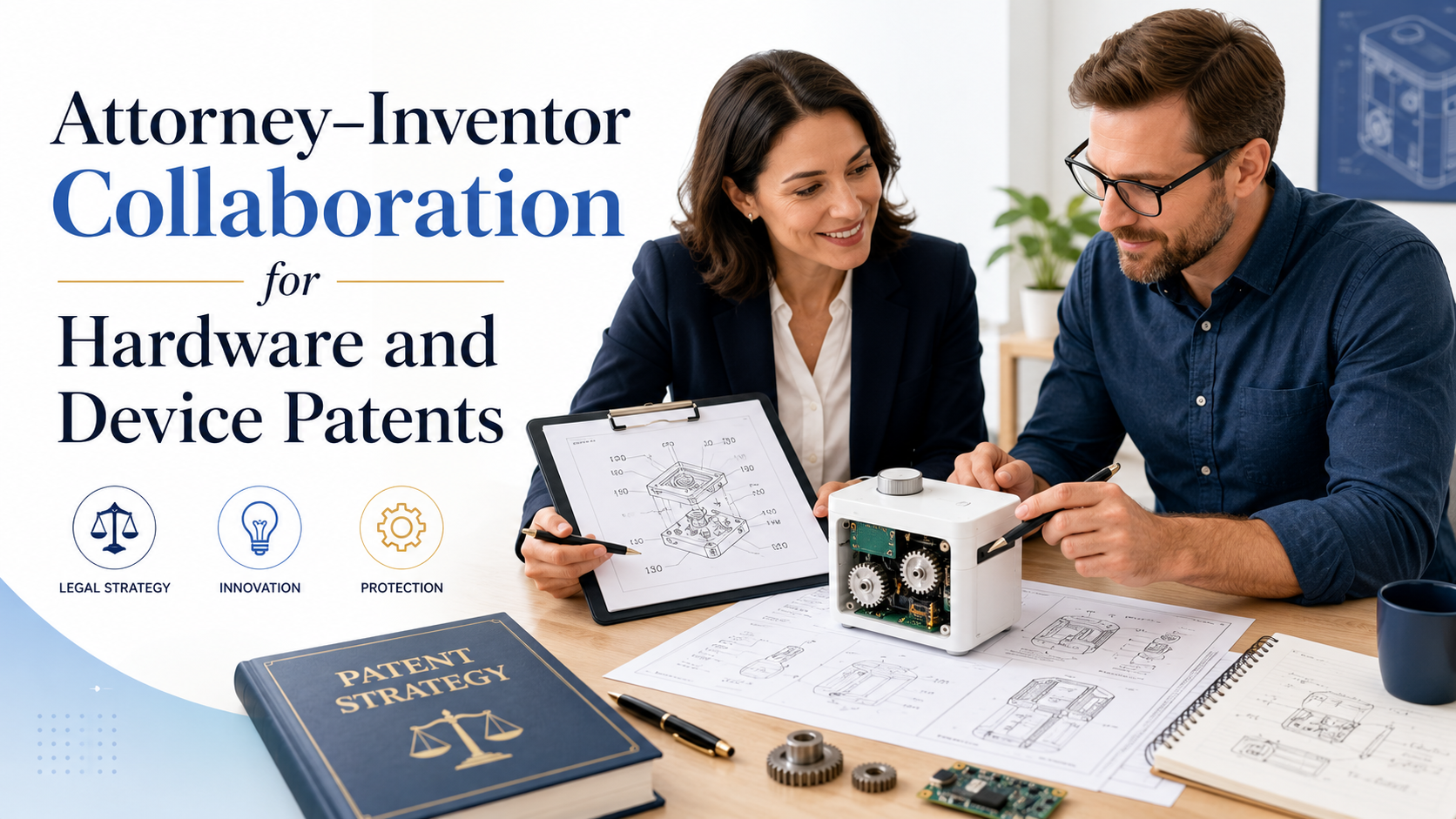
Attorney–Inventor Collaboration for Hardware and Device Patents
See how clear inventor-attorney teamwork helps protect hardware, devices, and physical products with stronger patent filings.
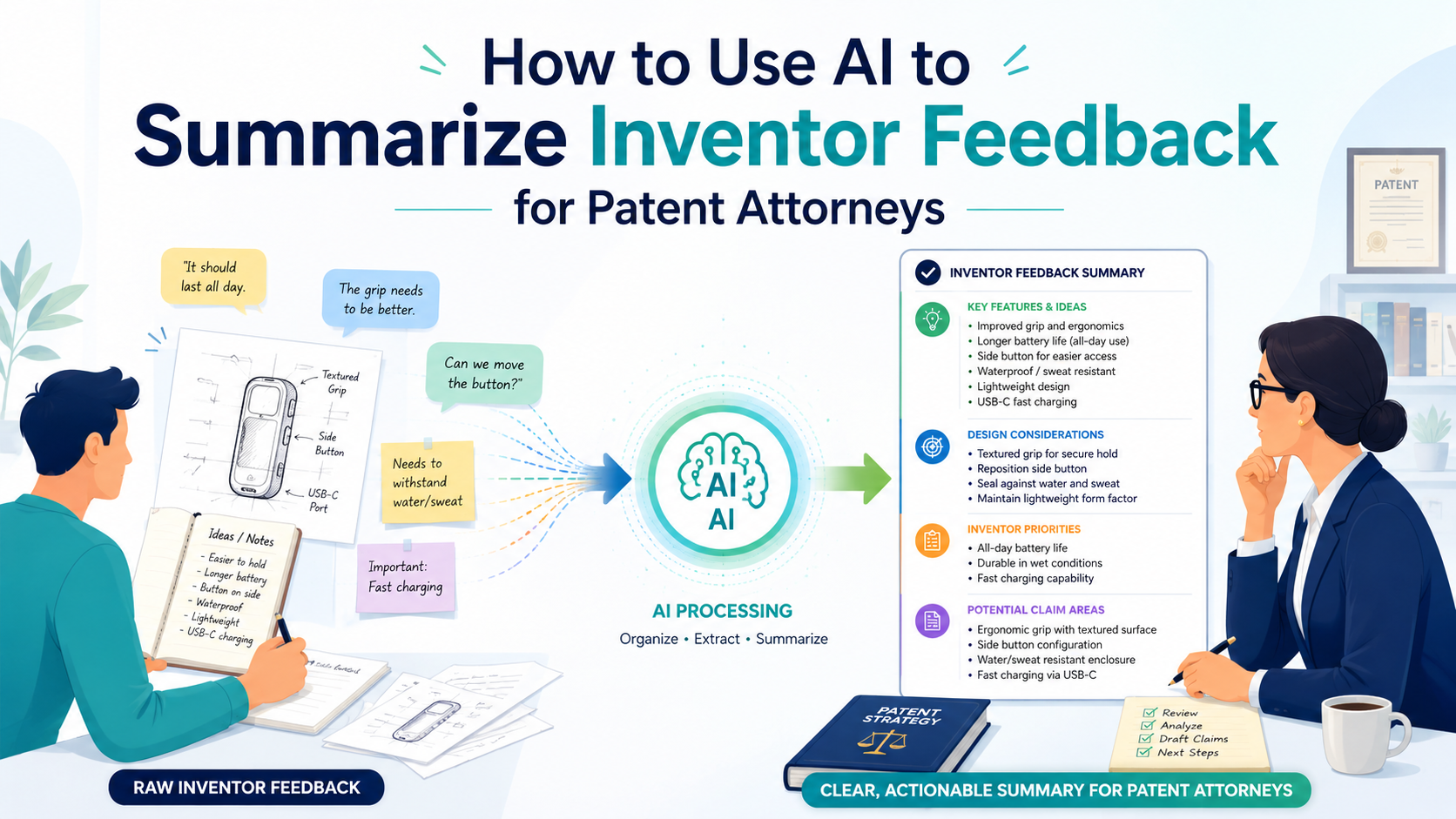
How to Use AI to Summarize Inventor Feedback for Patent Attorneys
Learn how AI can turn inventor notes and feedback into clear summaries that help patent attorneys draft faster and better.
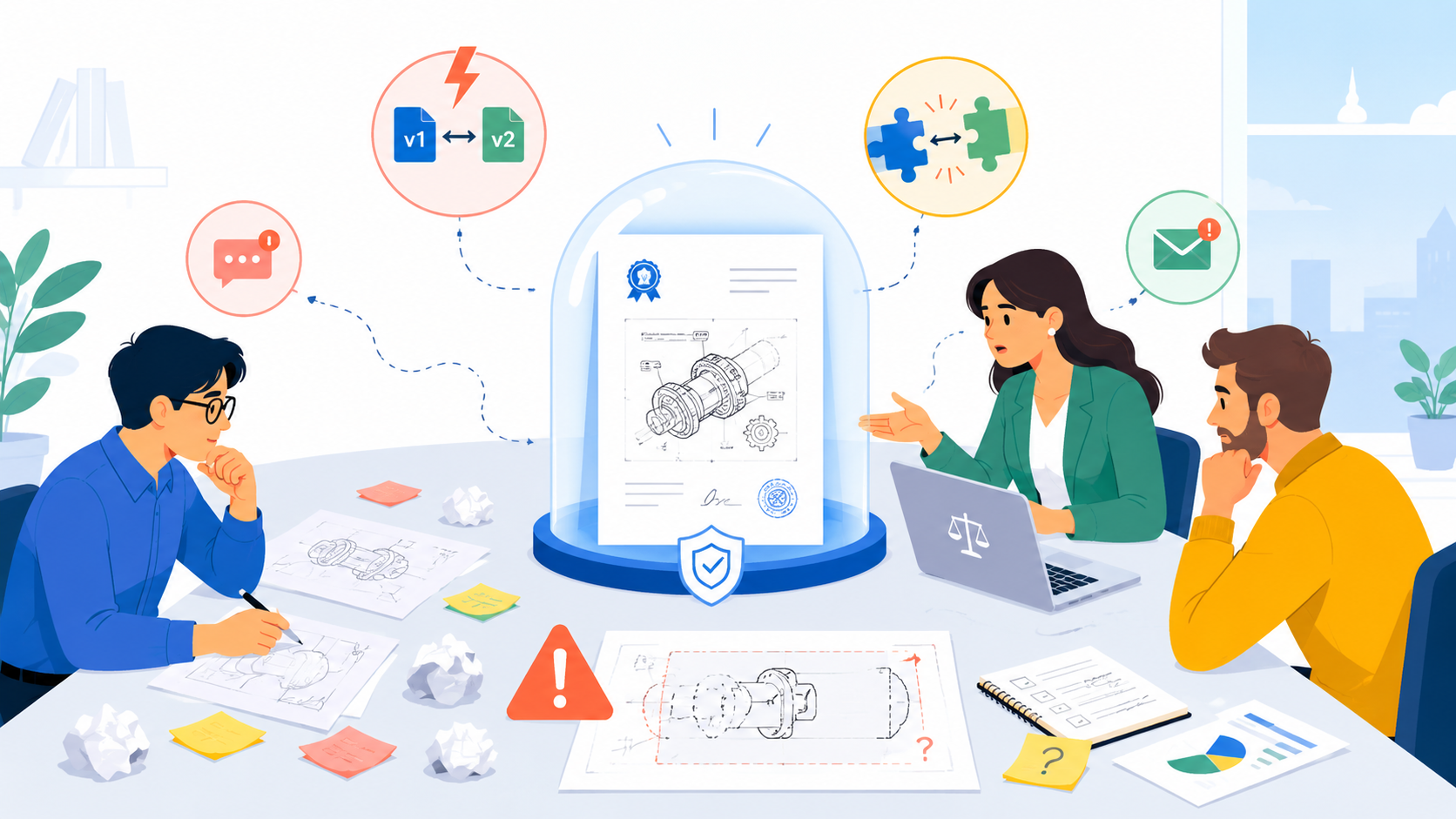
Common Collaboration Mistakes That Weaken Patent Applications
Avoid common teamwork mistakes that can weaken patent applications and learn how to keep inventors and attorneys aligned.

How In-House IP Teams Coordinate Inventors, Attorneys, and Outside Counsel
See how in-house IP teams can keep inventors, attorneys, and outside counsel on track from idea review to patent filing.
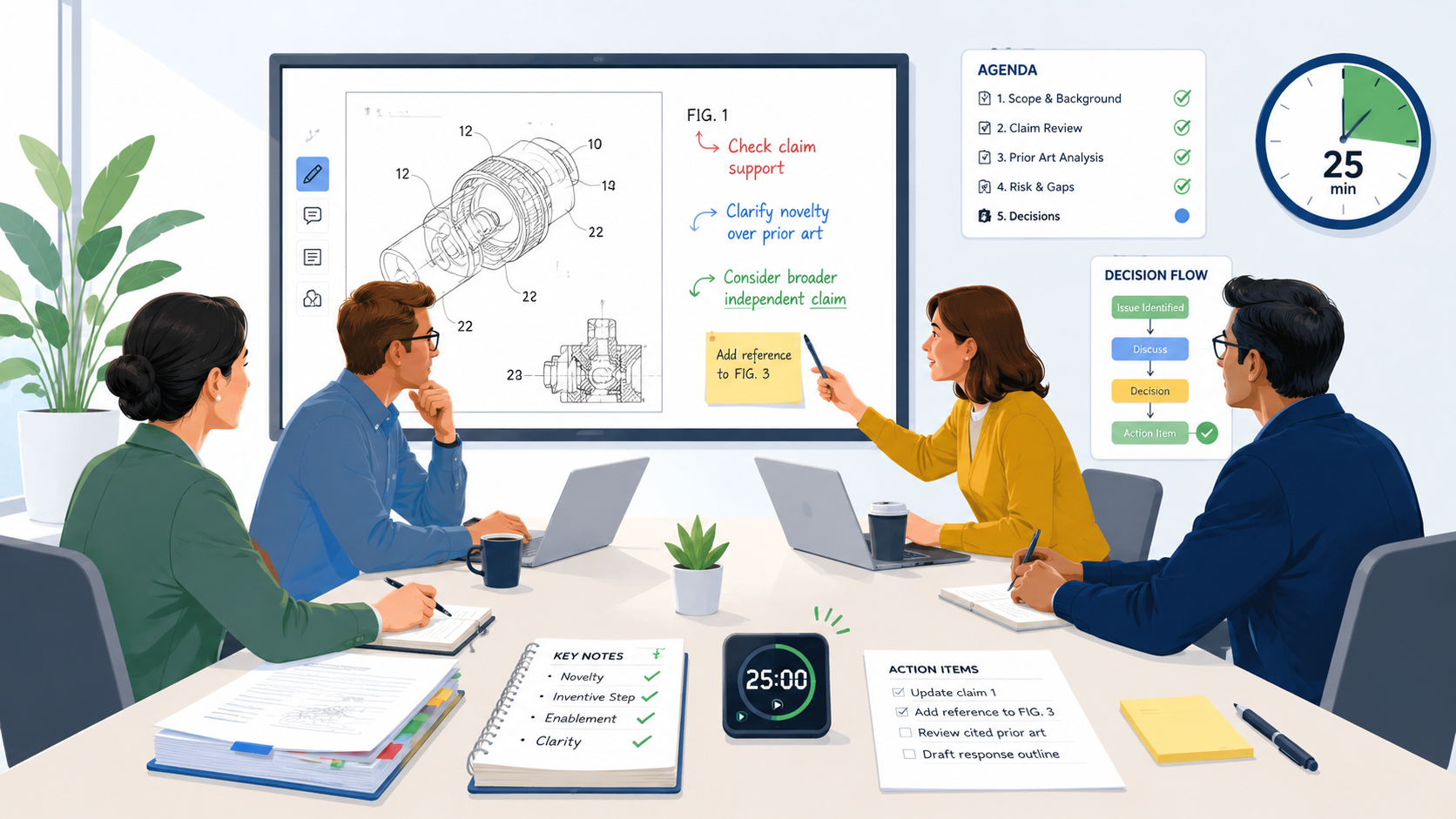
Patent Review Meetings: How to Run Them Without Wasting Time
Run faster patent review meetings with less back-and-forth. Learn how to keep teams aligned, save time, and move filings forward.
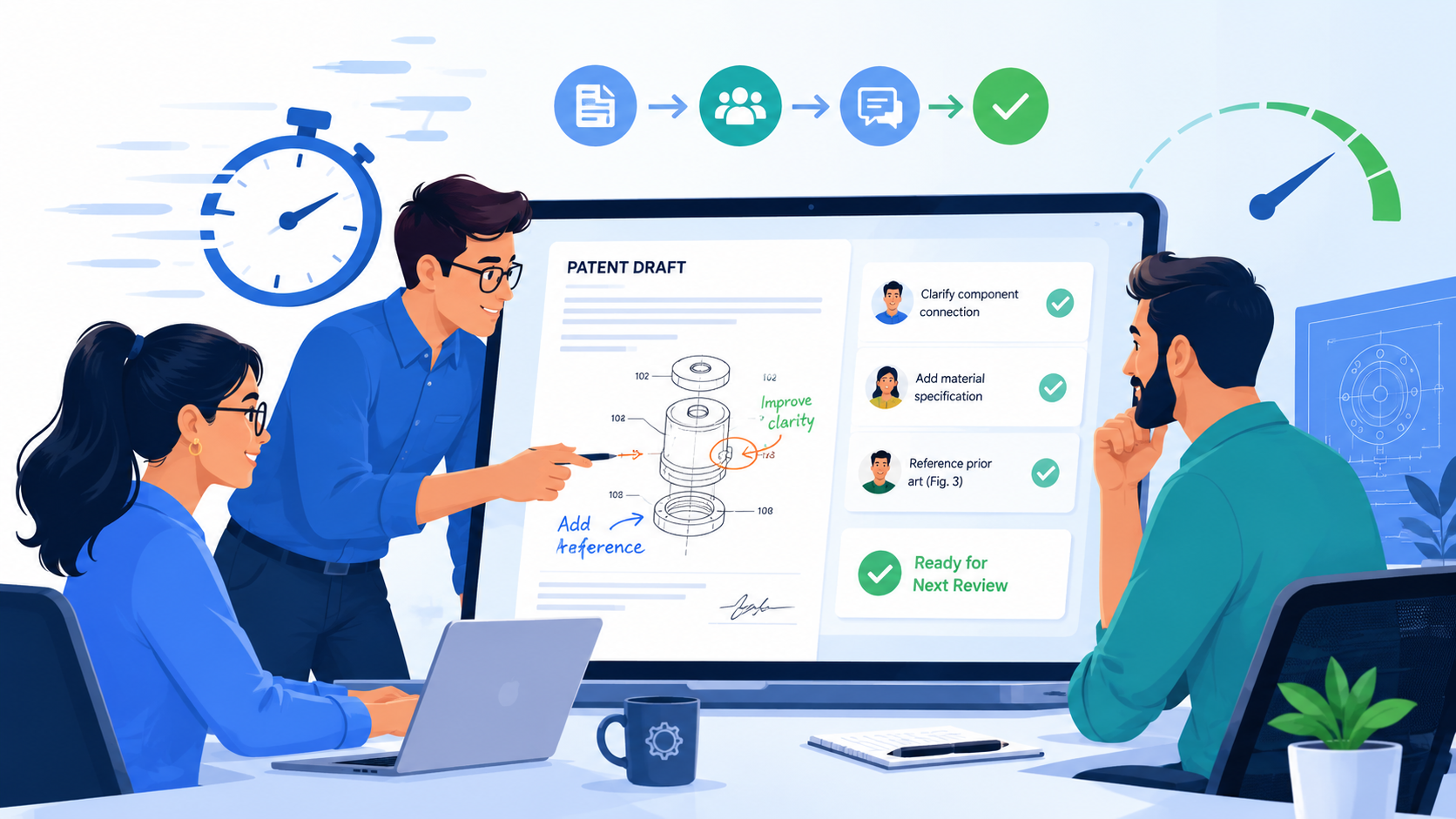
How to Get Engineers to Review Patent Drafts Faster
Help engineers review patent drafts faster without slowing product work. Use simple steps to reduce delays and protect inventions sooner.
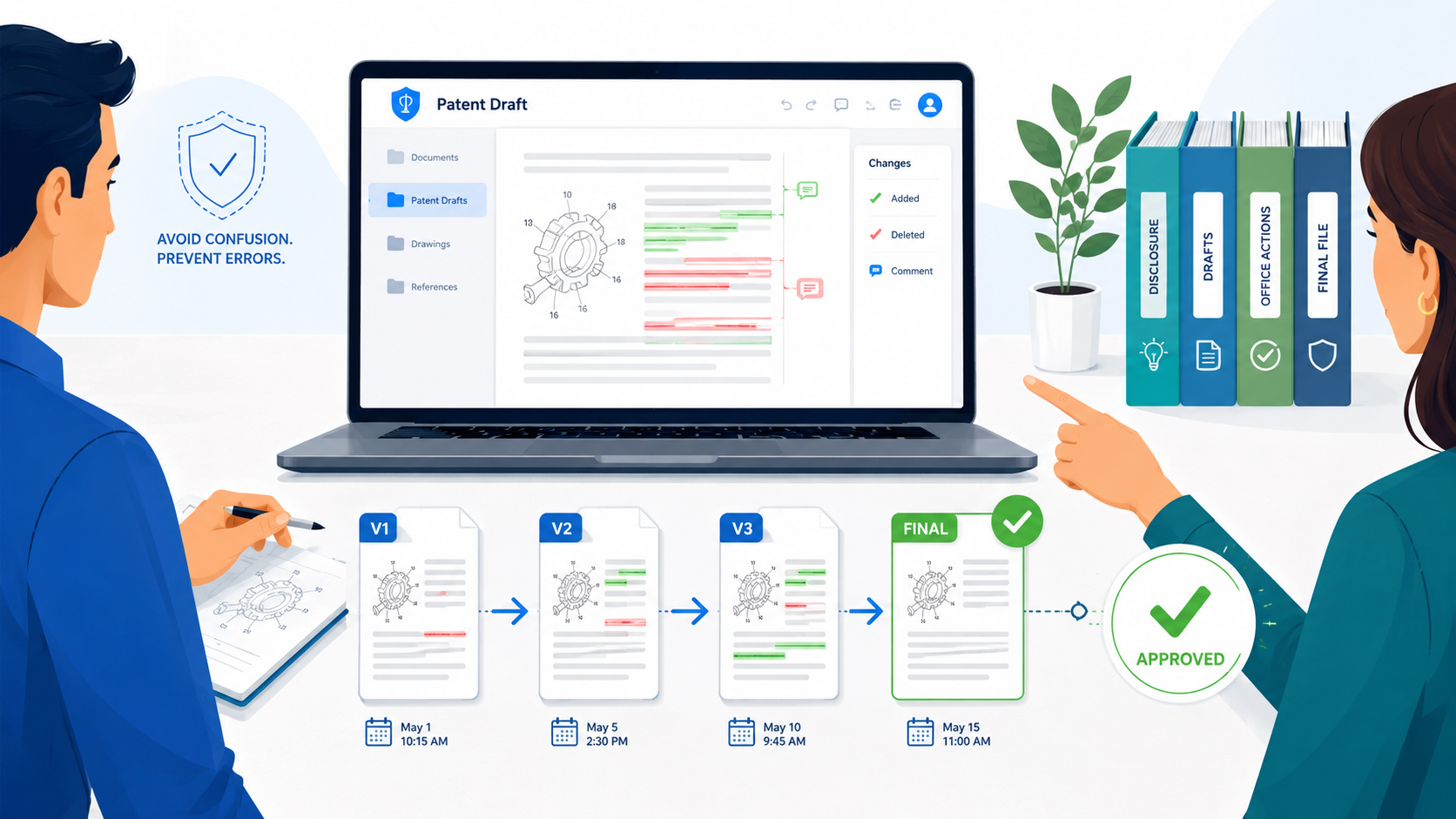
Patent Draft Version Control: Avoid Confusion, Errors, and Missed Changes
Avoid patent draft mix-ups, missed edits, and costly confusion. Learn how better version control keeps your filing process clean and clear.
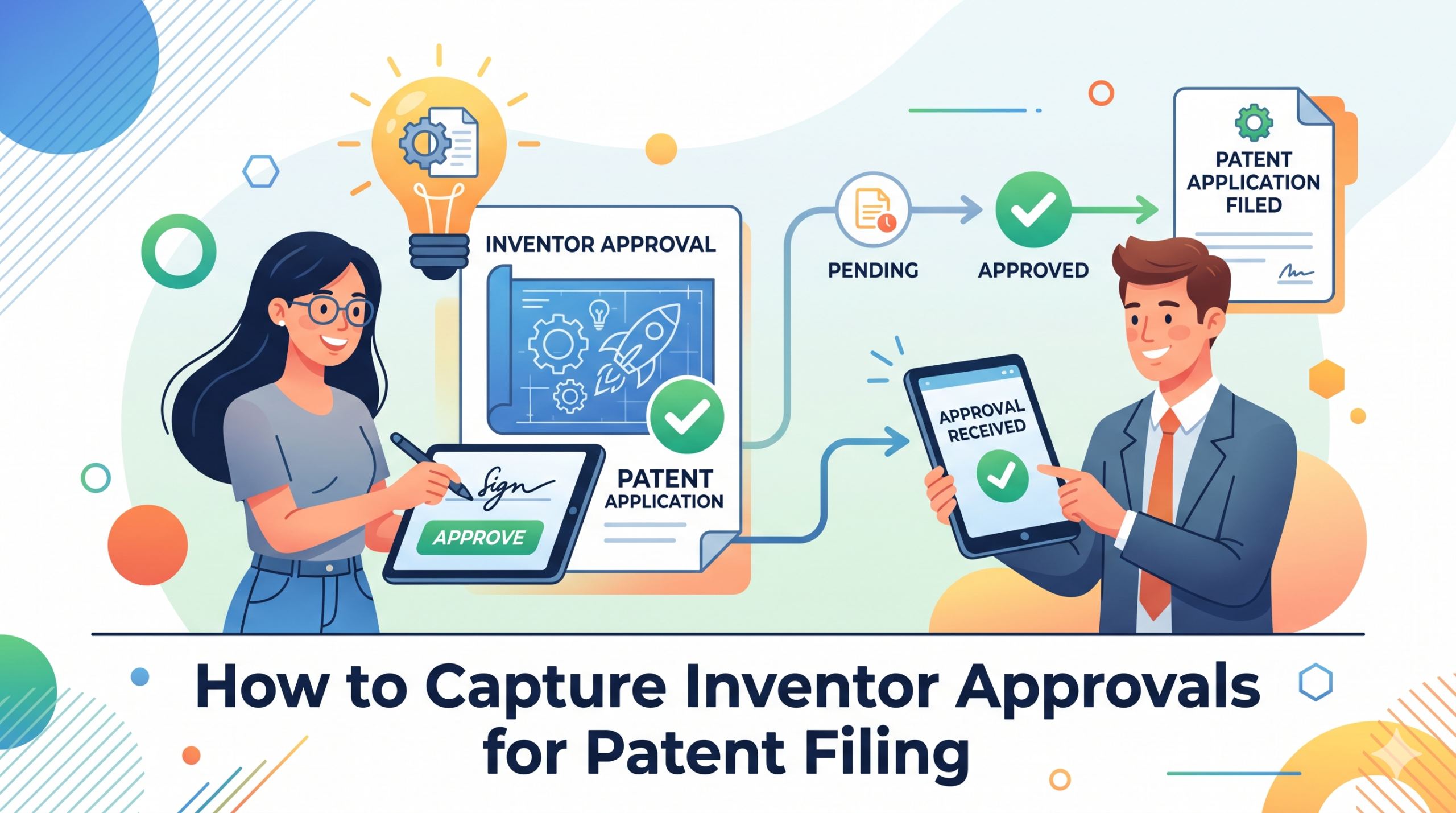
How to Capture Inventor Approvals for Patent Filing
Learn how to capture inventor approvals for patent filing with less delay, fewer mistakes, and a smoother path from draft to submission.
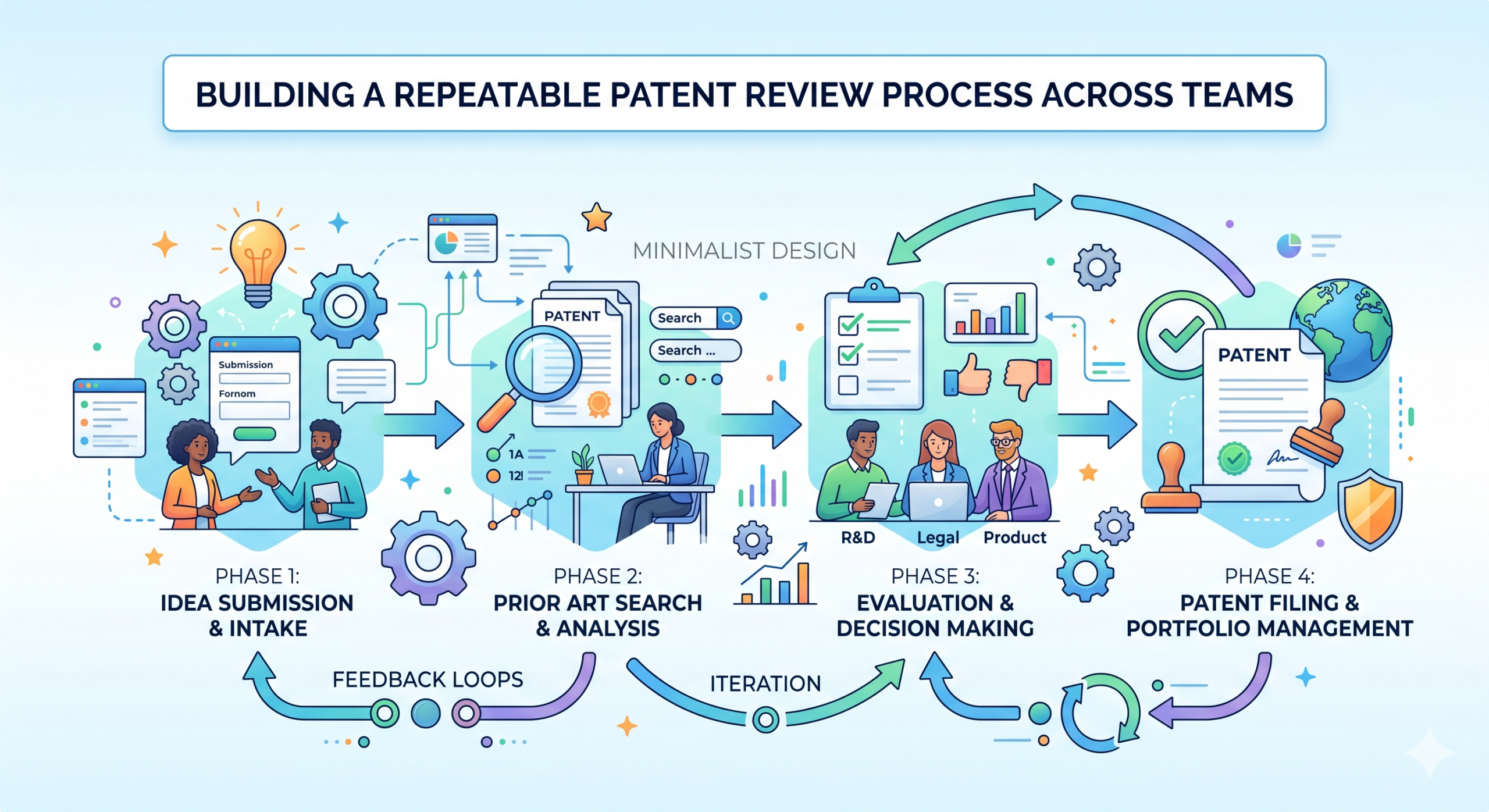
How to Build a Repeatable Patent Review Process Across Teams
Build a repeatable patent review process that keeps teams aligned, cuts delays, and helps protect inventions faster and with more confidence.
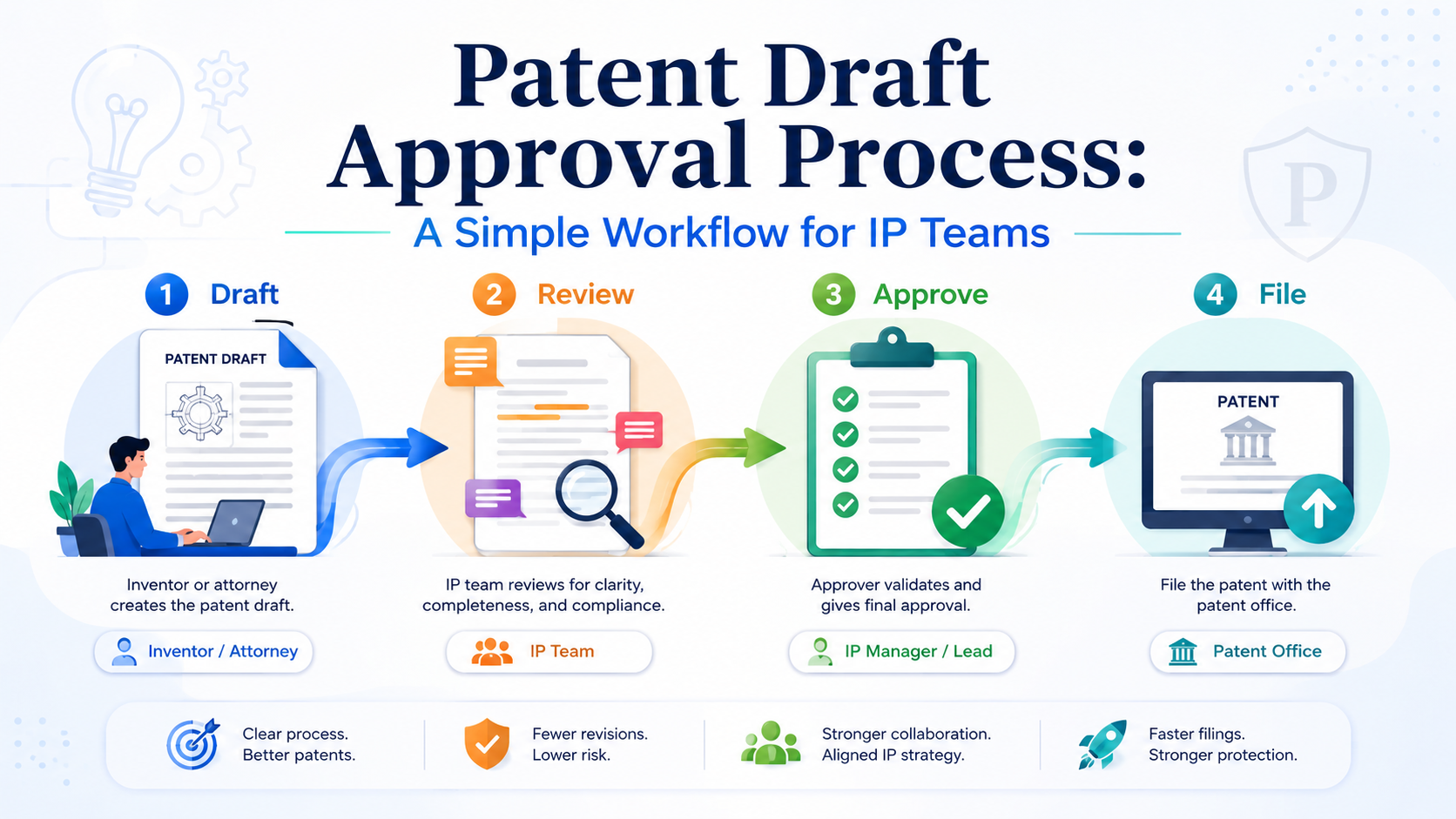
Patent Draft Approval Process: A Simple Workflow for IP Teams
Streamline patent draft approvals with a simple workflow that helps IP teams save time, reduce errors, and keep filings moving fast.
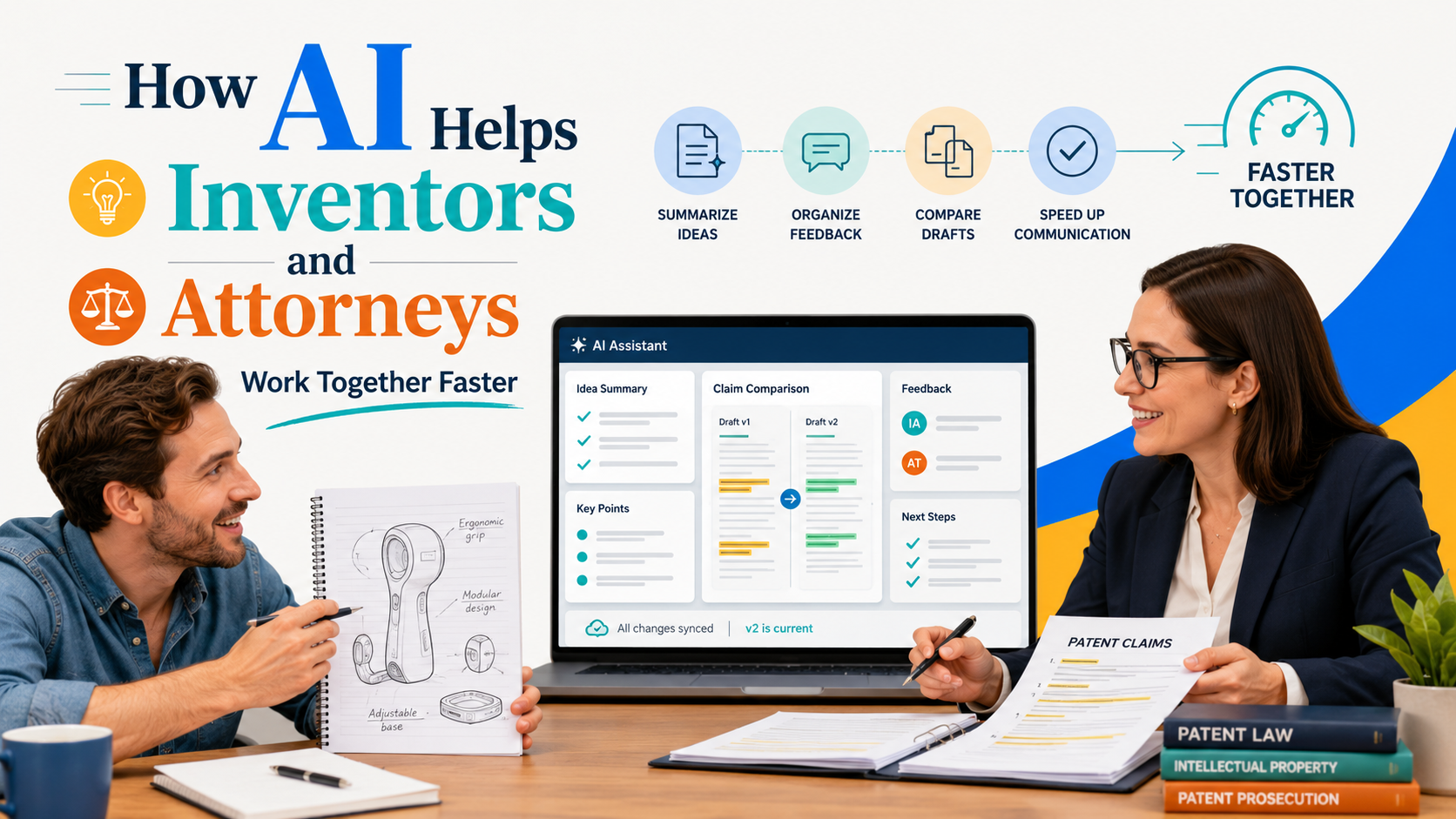
How AI Helps Inventors and Attorneys Work Together Faster
See how AI helps inventors and patent attorneys collaborate faster, share ideas clearly, and move from invention to filing.
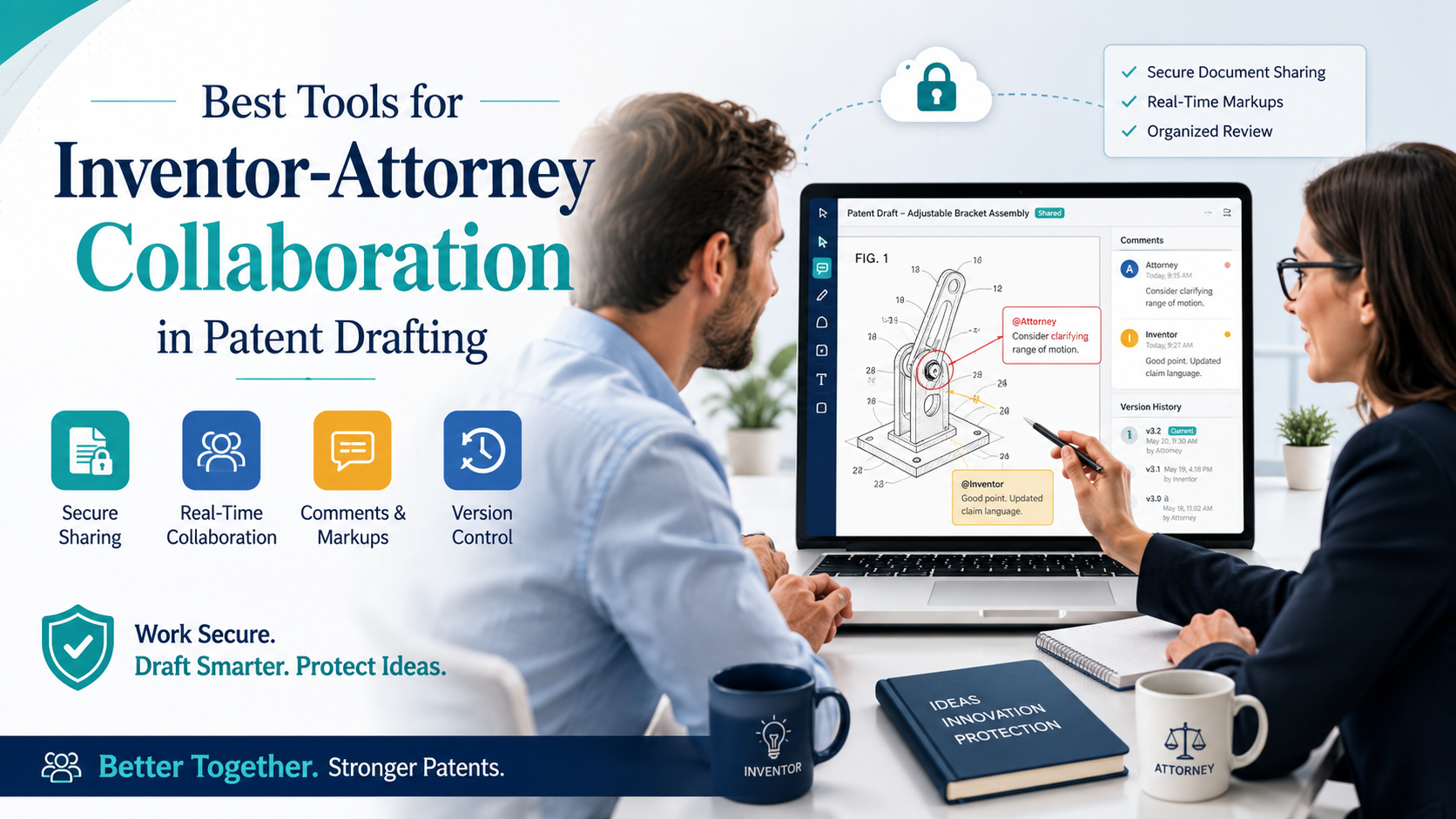
Best Tools for Inventor-Attorney Collaboration in Patent Drafting
Discover the best tools for inventor-attorney collaboration in patent drafting, so teams can review, edit, and approve patents faster.
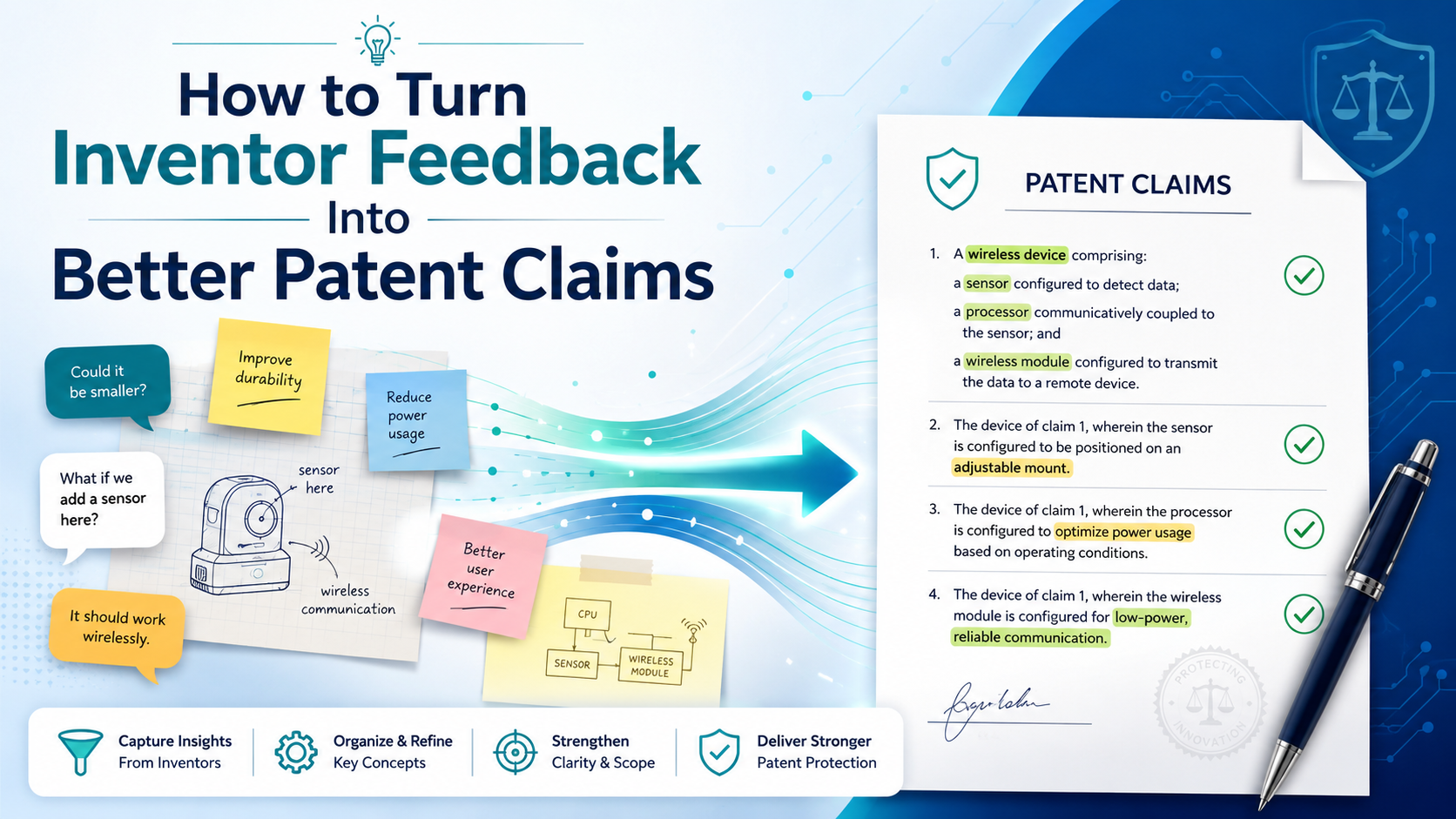
How to Turn Inventor Feedback Into Better Patent Claims
Learn how to turn inventor feedback into stronger patent claims that are clearer, more complete, and better aligned with the invention.

Patent Collaboration Software: What Law Firms Should Look For
Find out what law firms should look for in patent collaboration software to improve draft review, version control, and client communication.
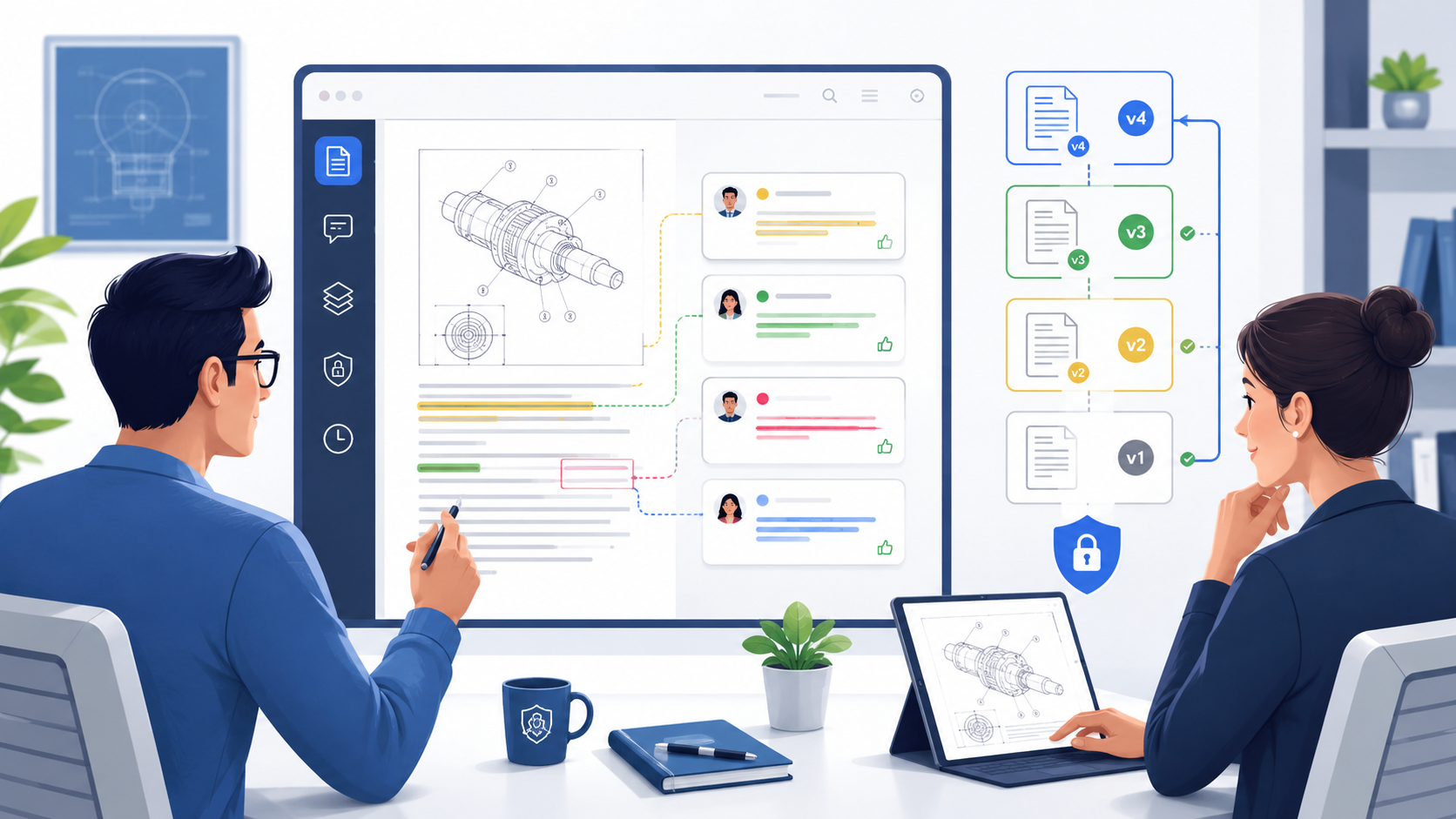
How to Manage Inventor Comments Without Losing Version Control
Learn how to manage inventor comments, track draft changes, and keep patent version control clean from first review to final filing.
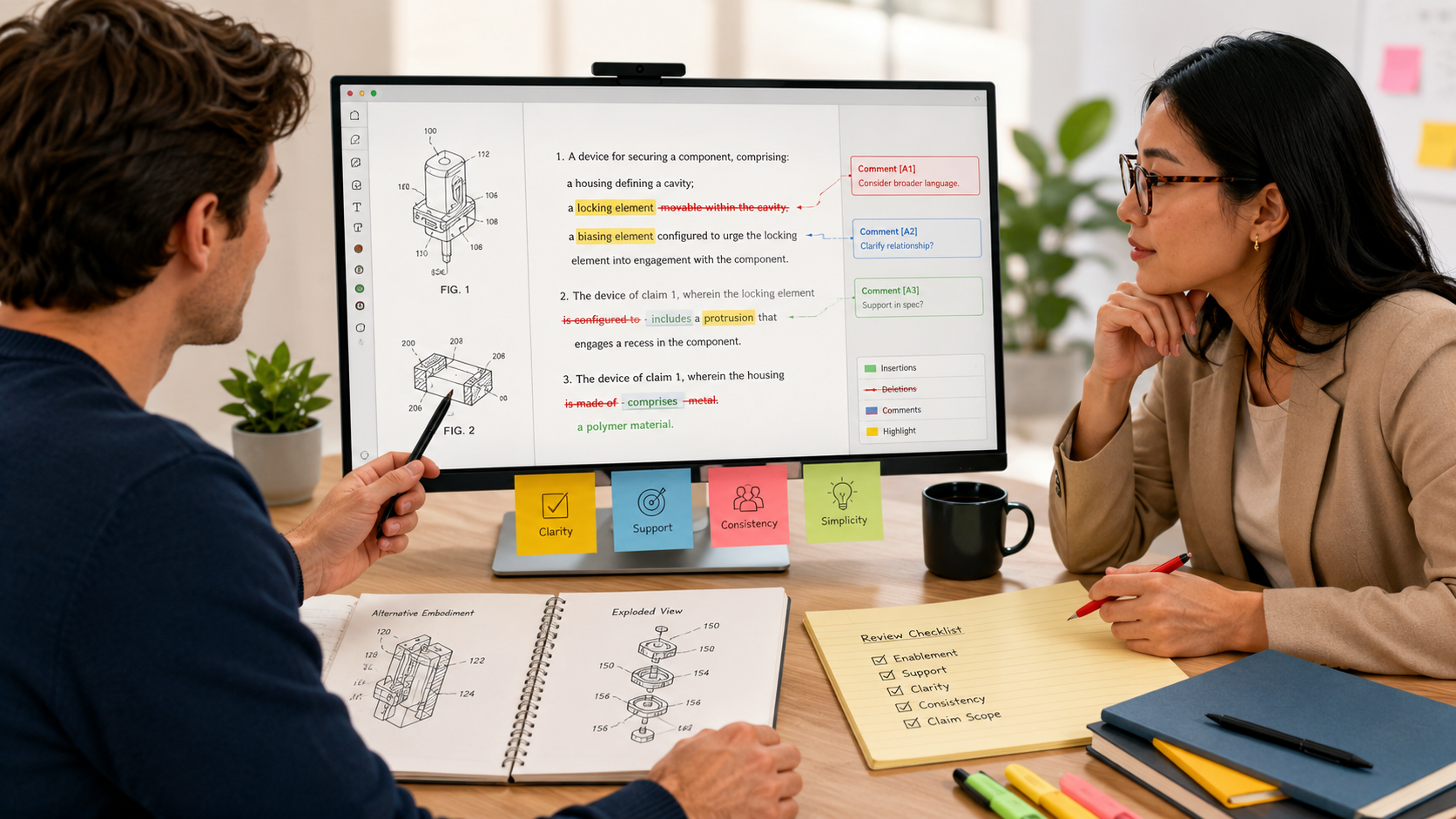
Patent Draft Redlining: Best Practices for Inventors and Attorneys
Explore patent draft redlining best practices that help inventors and attorneys review changes clearly and avoid filing delays.
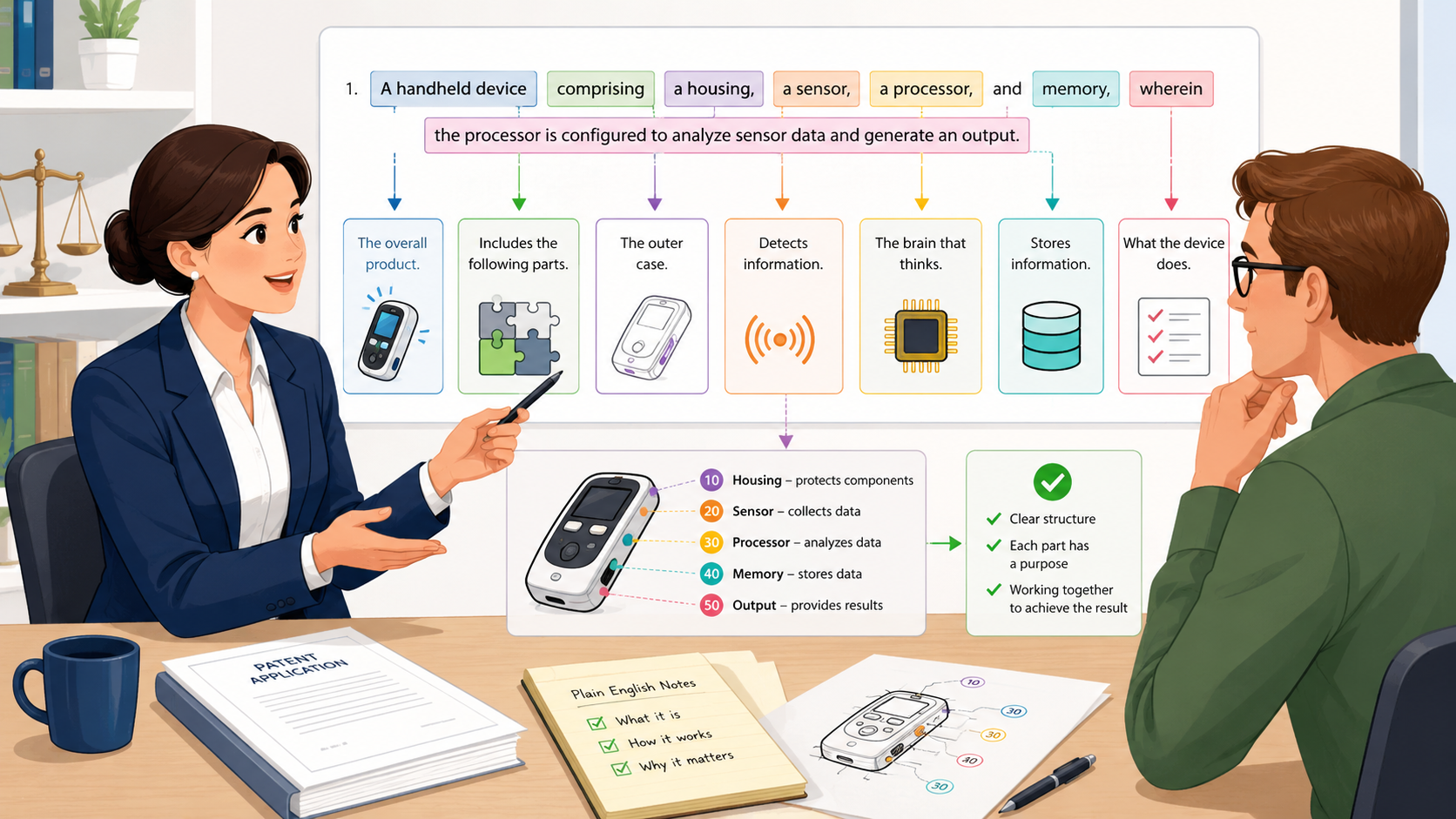
How to Explain Patent Claims to Inventors in Plain English
Learn how to explain patent claims to inventors in plain English, so feedback is faster, clearer, and more useful for stronger filings.
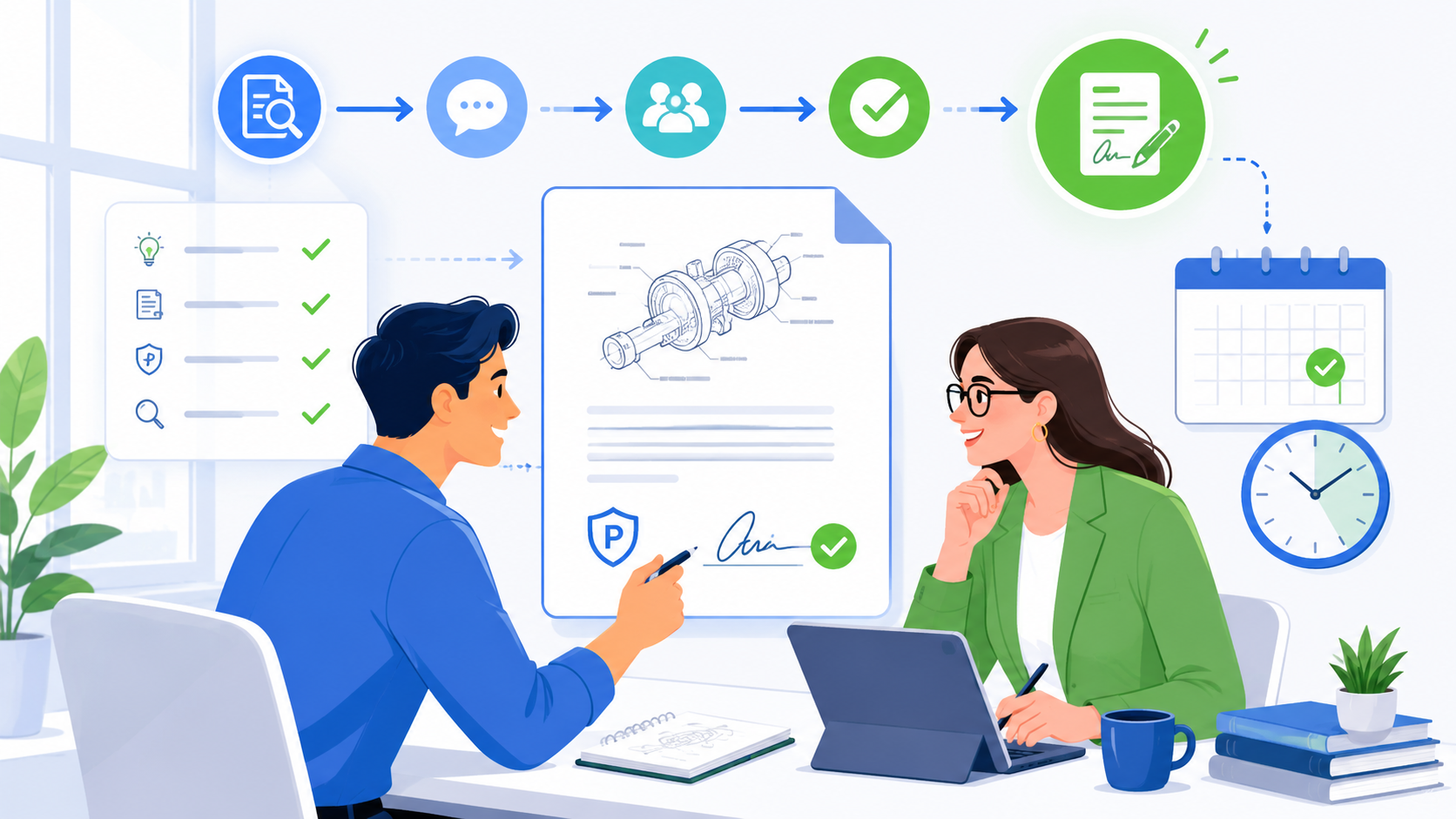
Inventor Sign-Off Workflow: Avoid Last-Minute Patent Filing Delays
Build a smooth inventor sign-off workflow that helps teams avoid last-minute delays, missed feedback, and rushed patent filings.

How to Use Shared Workspaces for Patent Draft Review
See how shared workspaces make patent draft review easier by keeping comments, edits, files, and approvals in one clear place.
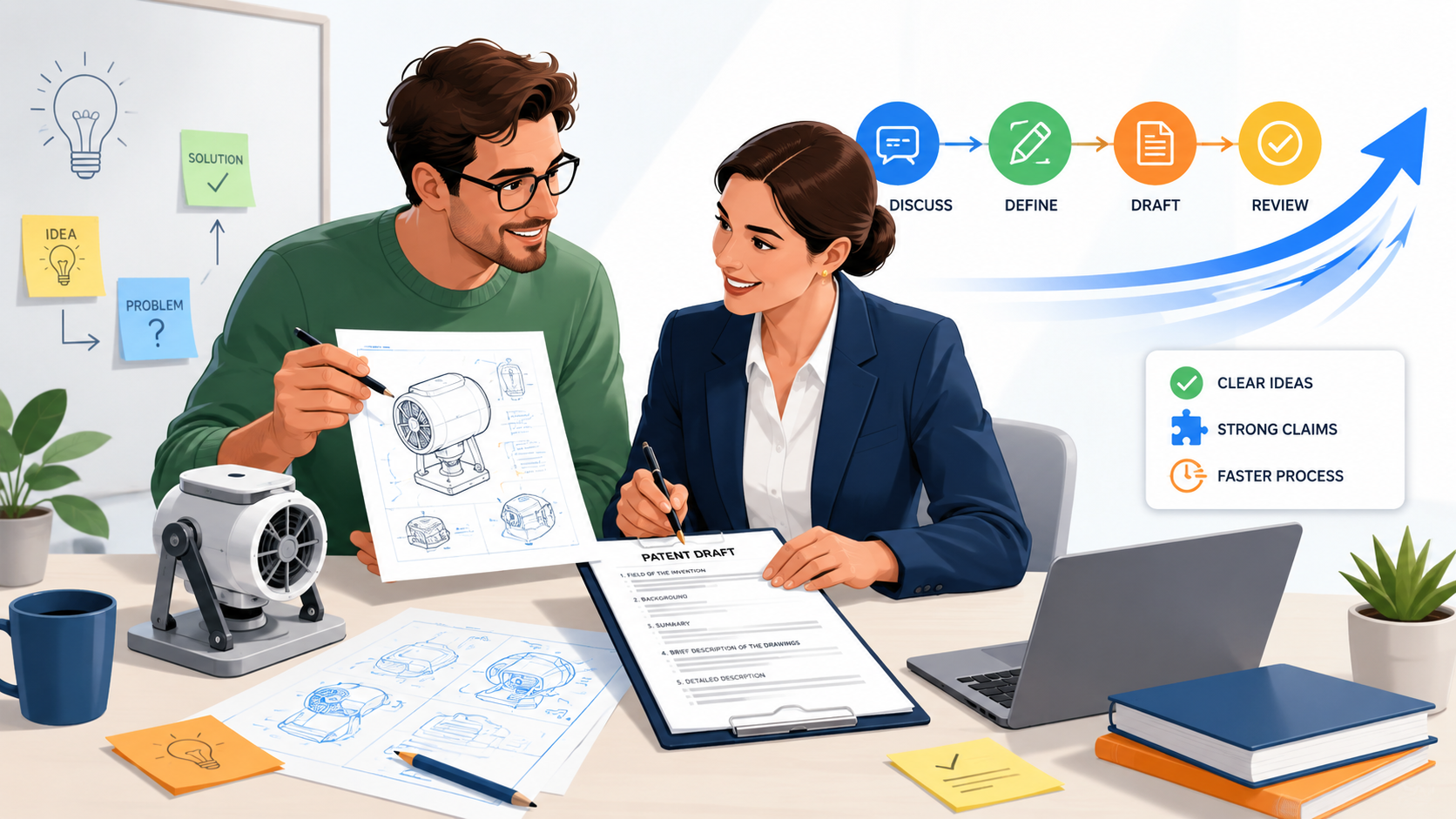
Inventor-Attorney Collaboration: How to Make Patent Drafting Faster
Speed up patent drafting with better inventor-attorney teamwork, clearer notes, faster reviews, and smarter tools from PowerPatent.
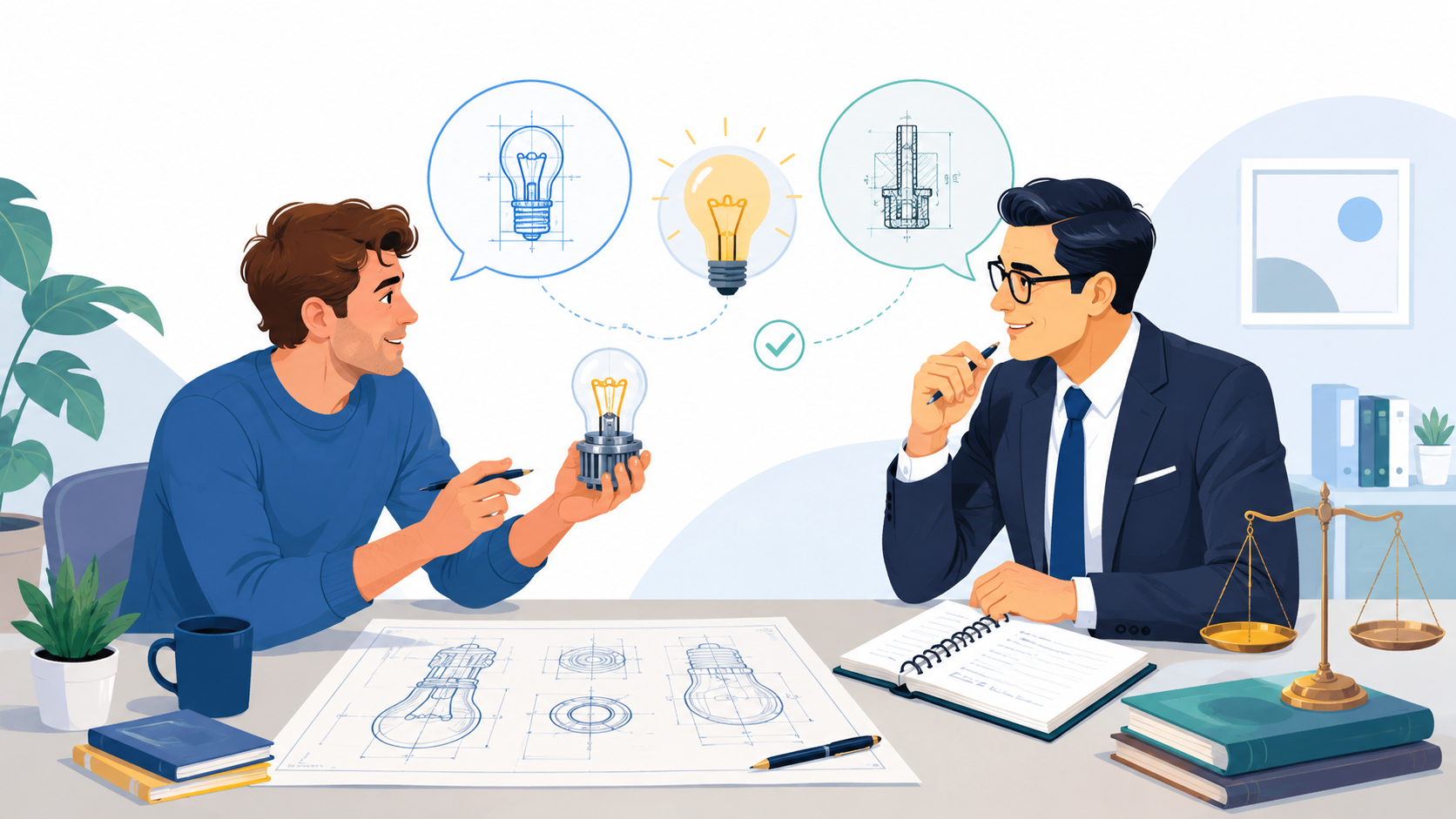
How to Improve Communication Between Inventors and Patent Attorneys
Learn simple ways inventors and patent attorneys can share ideas clearly, avoid delays, and move patent drafts forward faster.
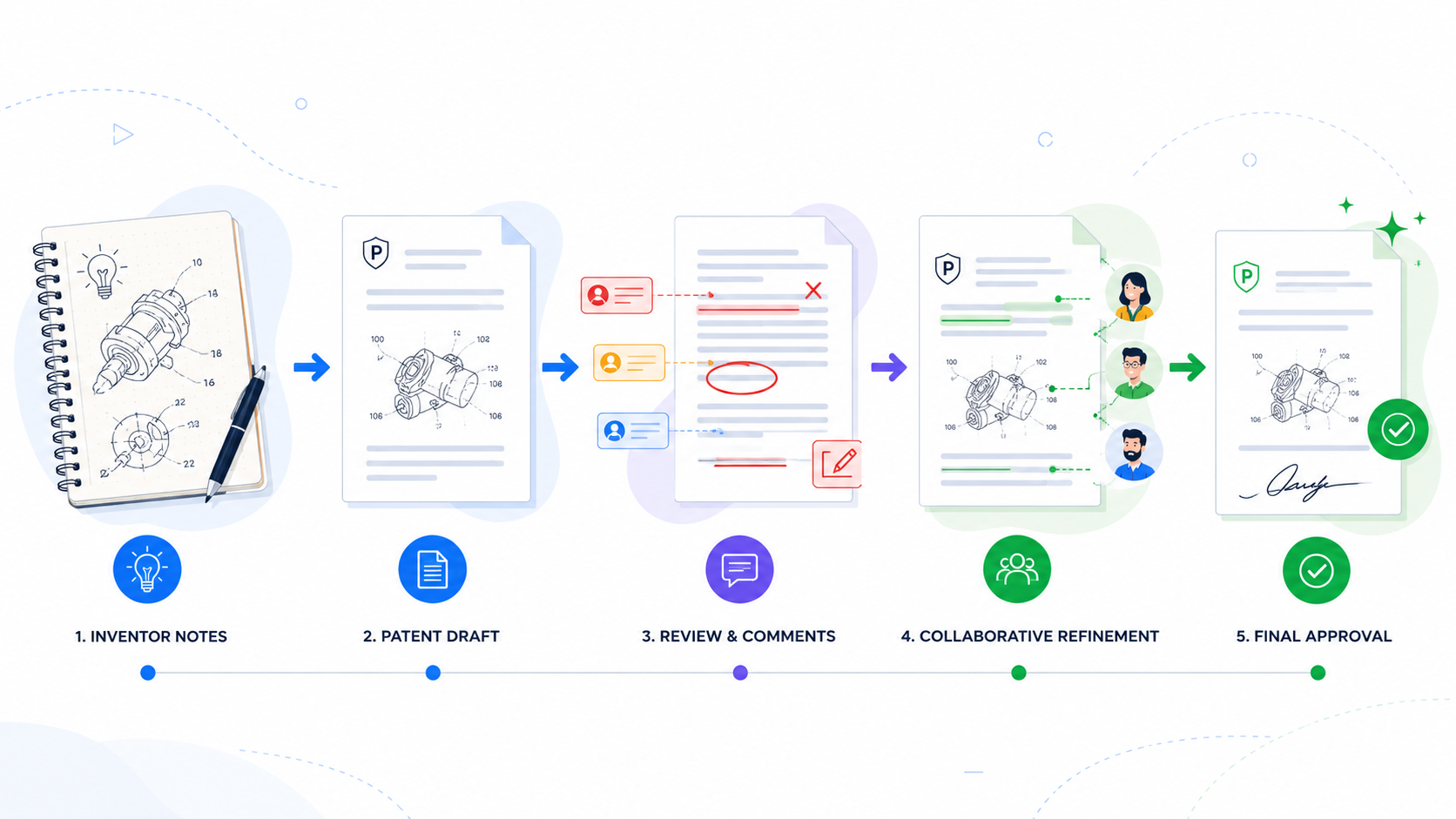
Patent Draft Review Workflow: From Inventor Notes to Final Approval
See a simple patent draft review workflow that helps teams turn inventor notes into stronger drafts with fewer delays.
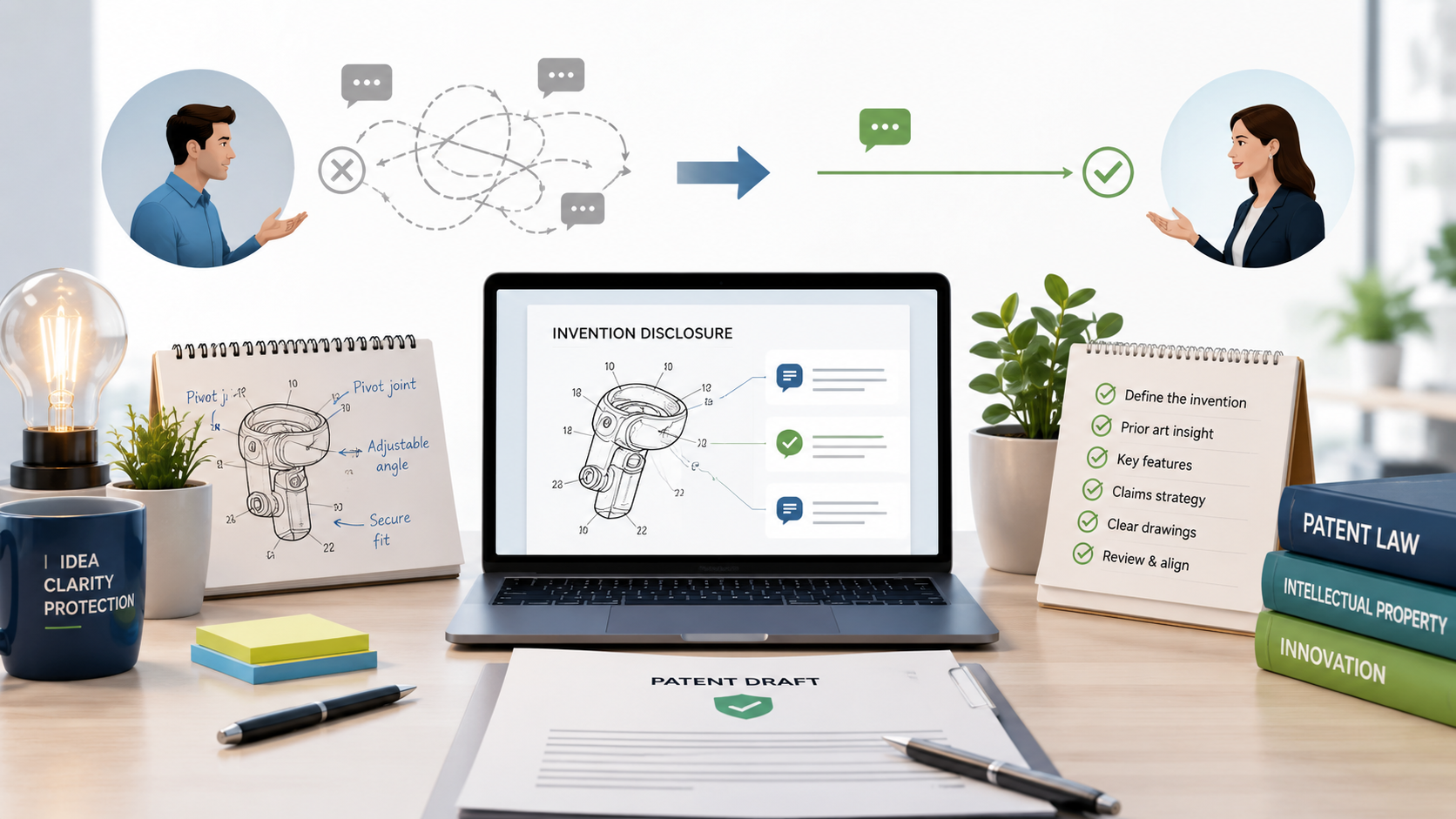
How to Reduce Back-and-Forth in Patent Drafting
Cut down patent drafting back-and-forth with clearer inputs, better review steps, and tools that keep inventors and attorneys aligned.
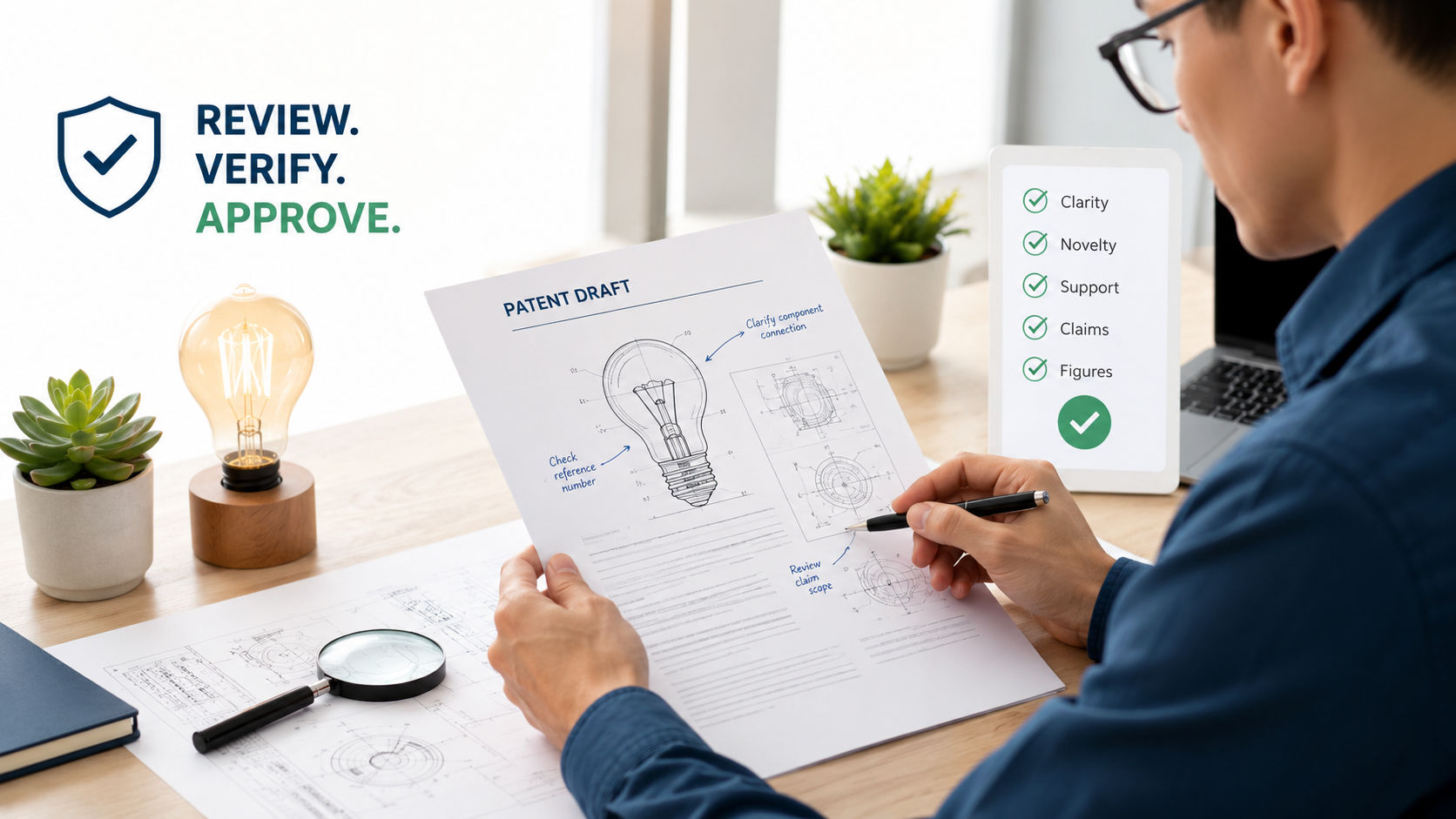
Inventor Review Checklist: What to Check Before Approving a Patent Draft
Use this inventor review checklist to spot missing details, fix weak points, and approve your patent draft with more confidence.
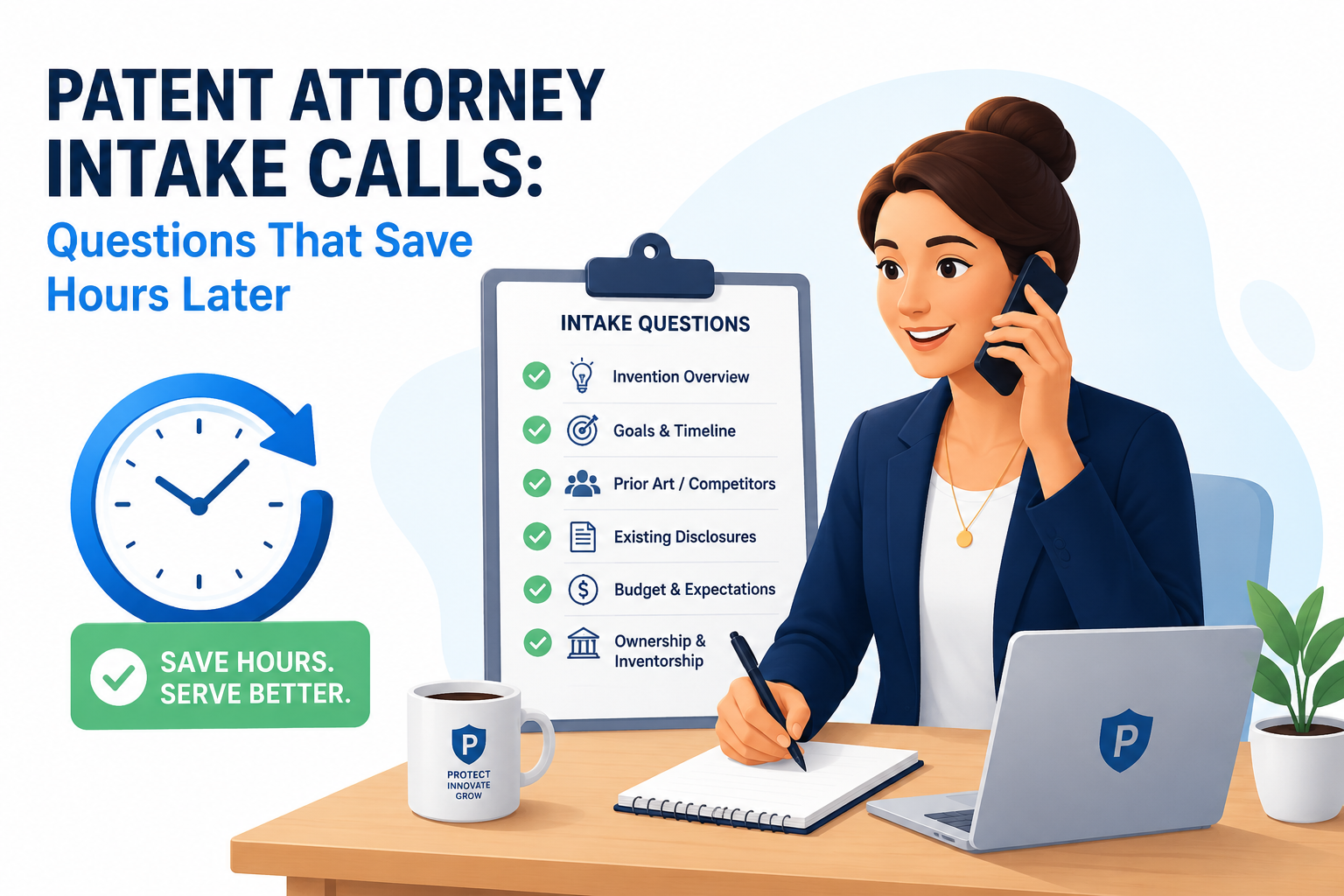
Patent Attorney Intake Calls: Questions That Save Hours Later
Ask better patent intake call questions to gather key invention details early and save hours during patent drafting.
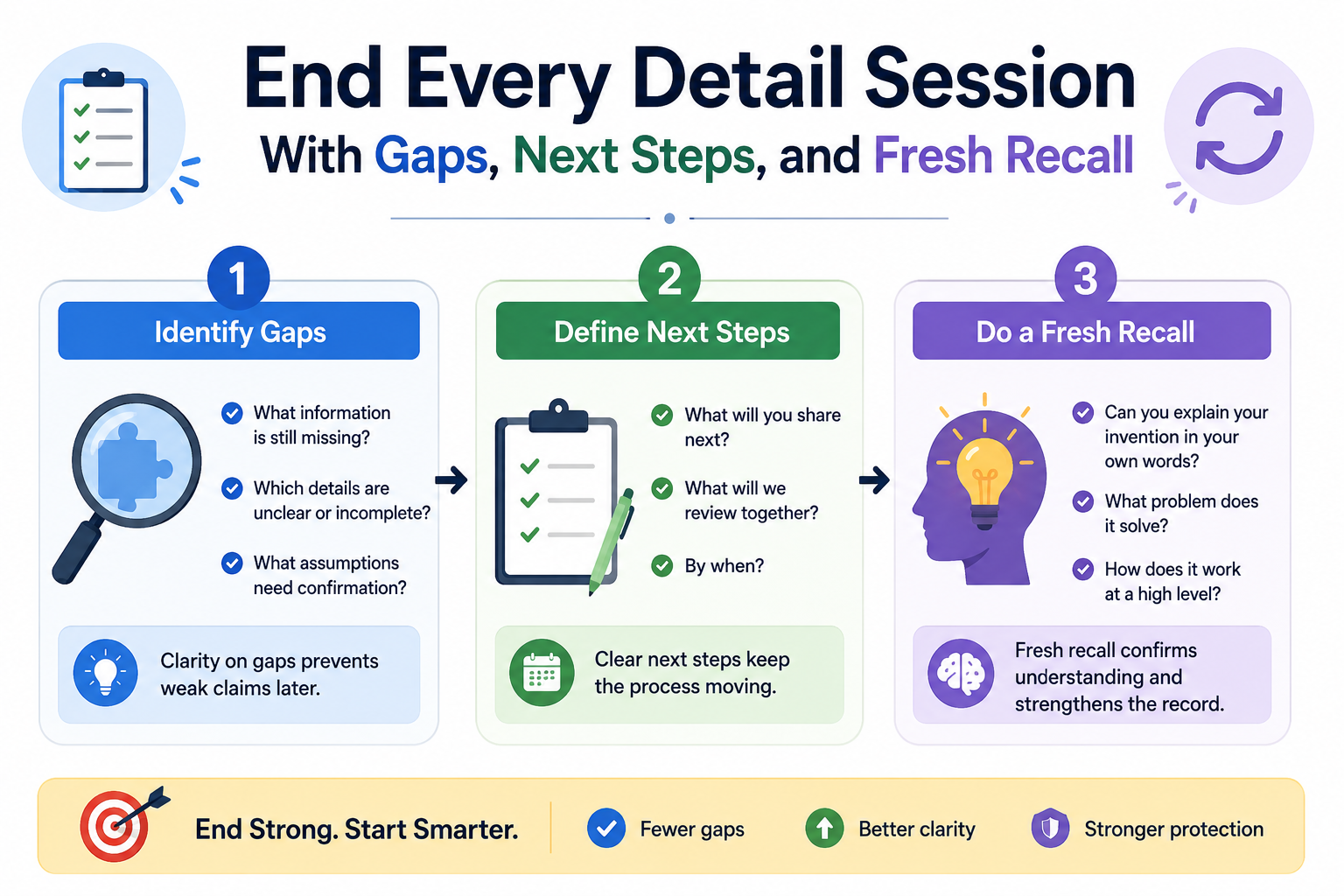
How to Collect Better Technical Details from Inventors
Learn how to collect clear technical details from inventors so patent attorneys can draft faster and avoid missing key invention points.
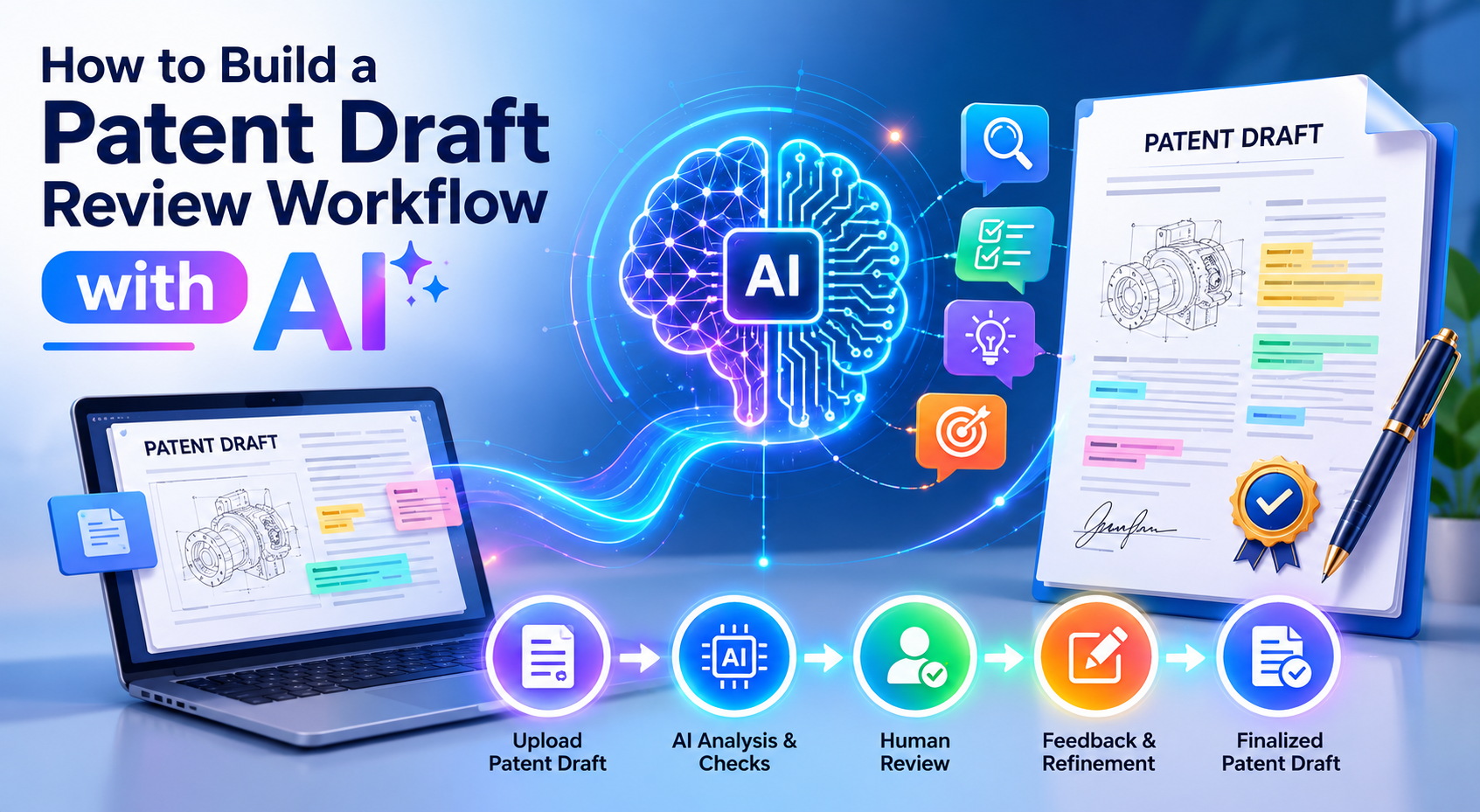
How to Build a Patent Draft Review Workflow with AI
Build a faster patent draft review workflow with AI, attorney oversight, and smarter QA steps that help teams file stronger patents.
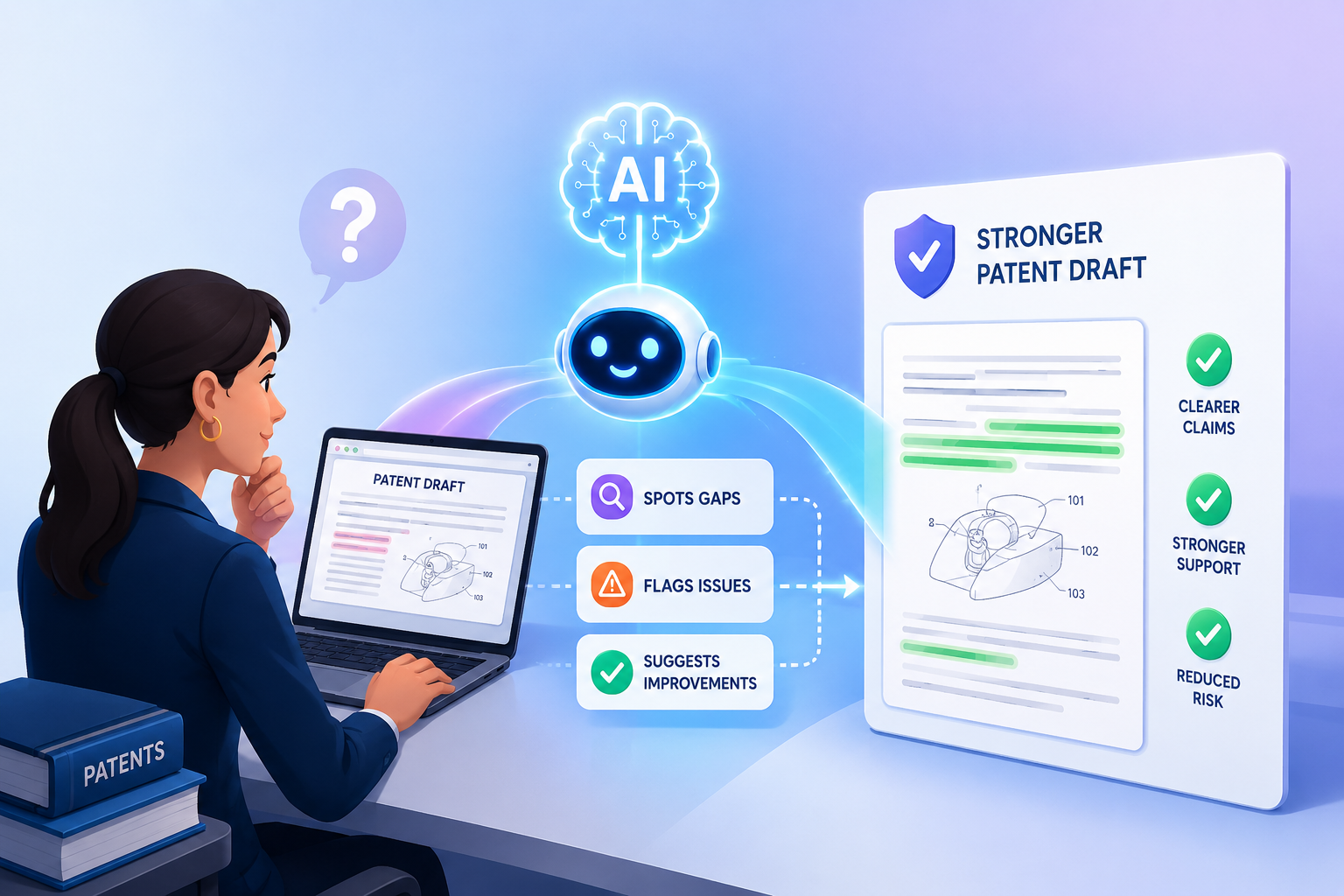
How AI Helps Junior Attorneys Review Patent Drafts Better
See how AI helps junior attorneys review patent drafts faster, catch issues sooner, and improve quality with real attorney guidance.
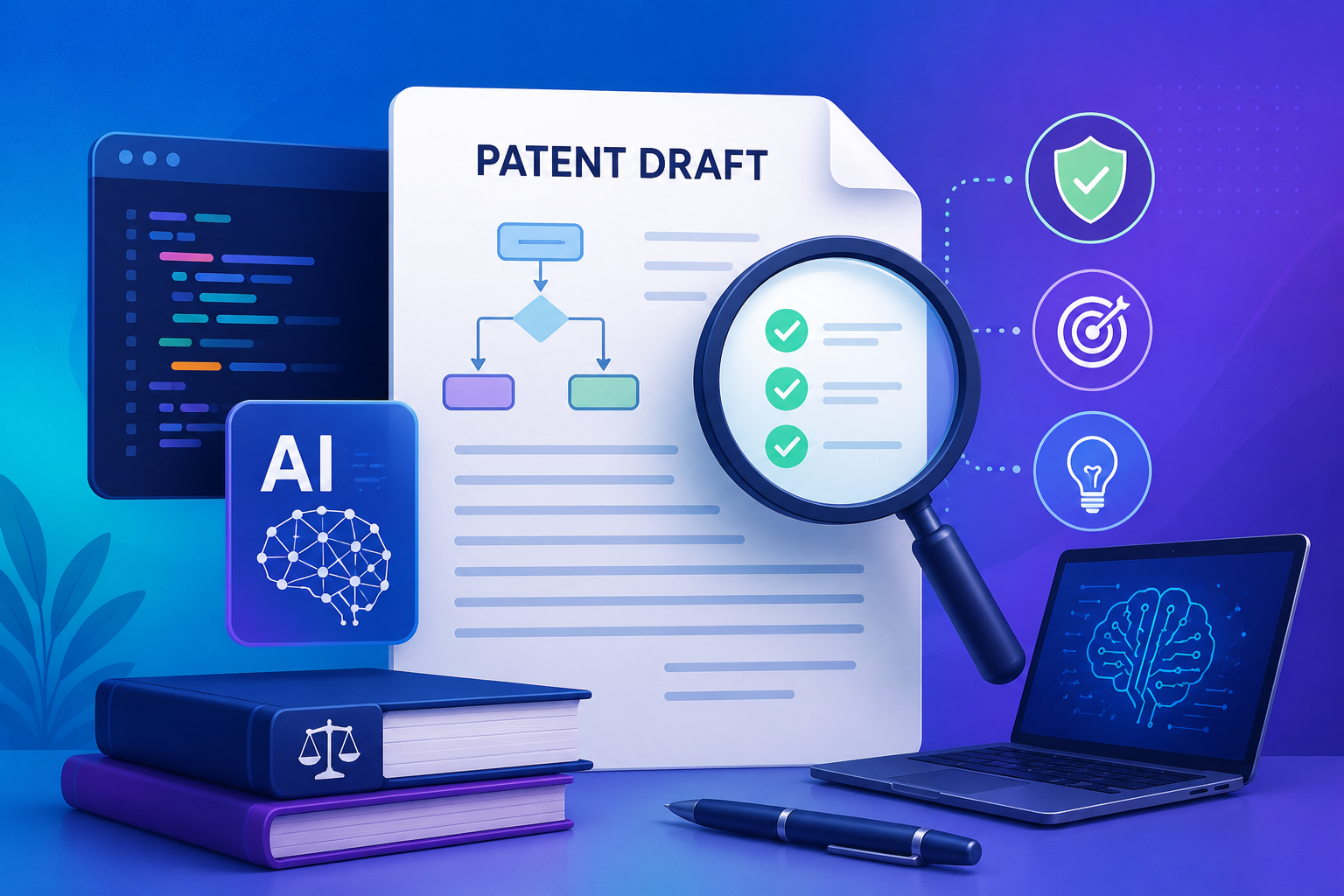
Patent Draft Review for Software and AI Inventions
Learn how patent draft review works for software and AI inventions, and how founders can protect code, models, and technical ideas.
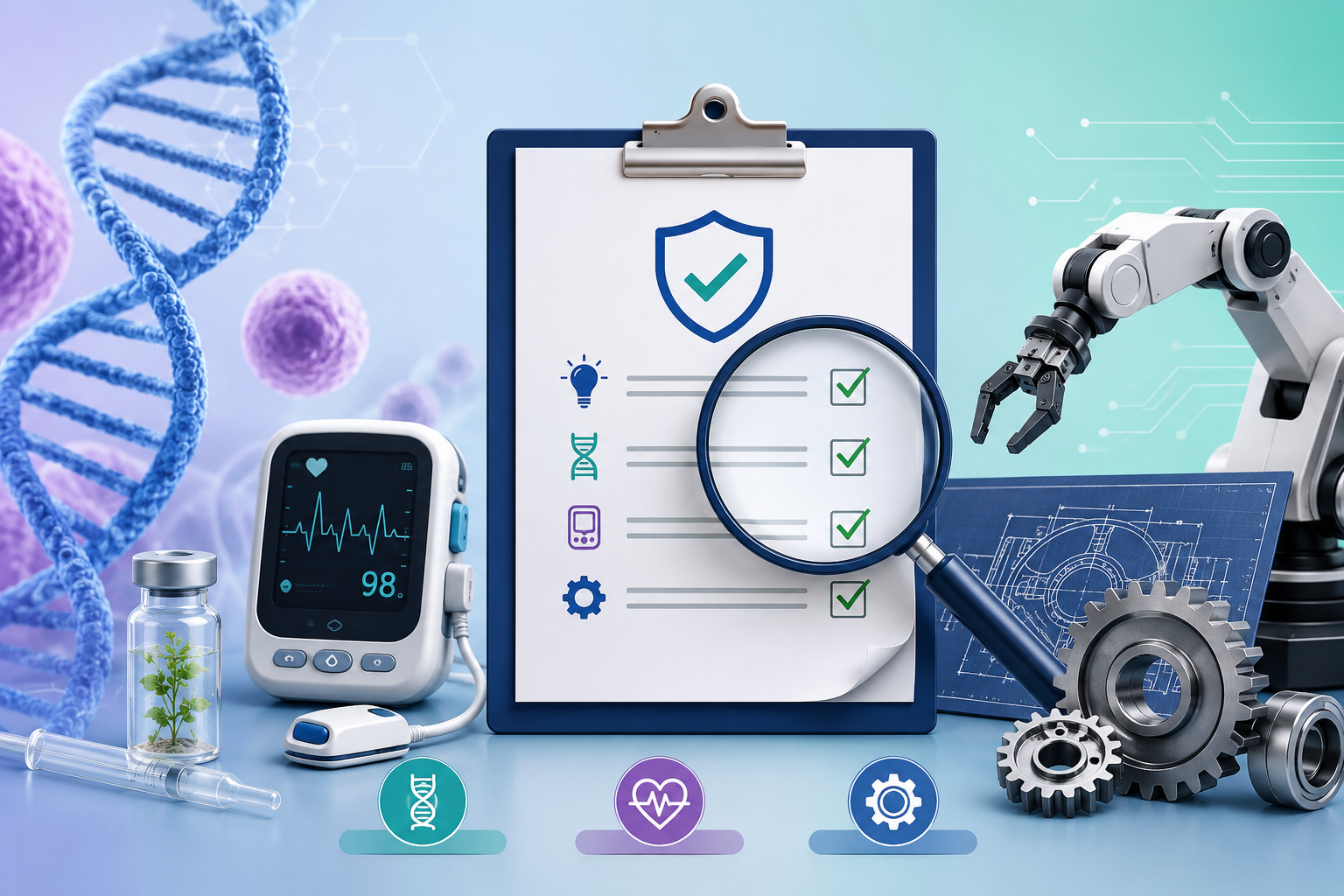
Patent Draft Review for Biotech, Medtech, and Hardware Inventions
Explore patent draft review for biotech, medtech, and hardware inventions, with AI tools and attorney oversight to improve quality.
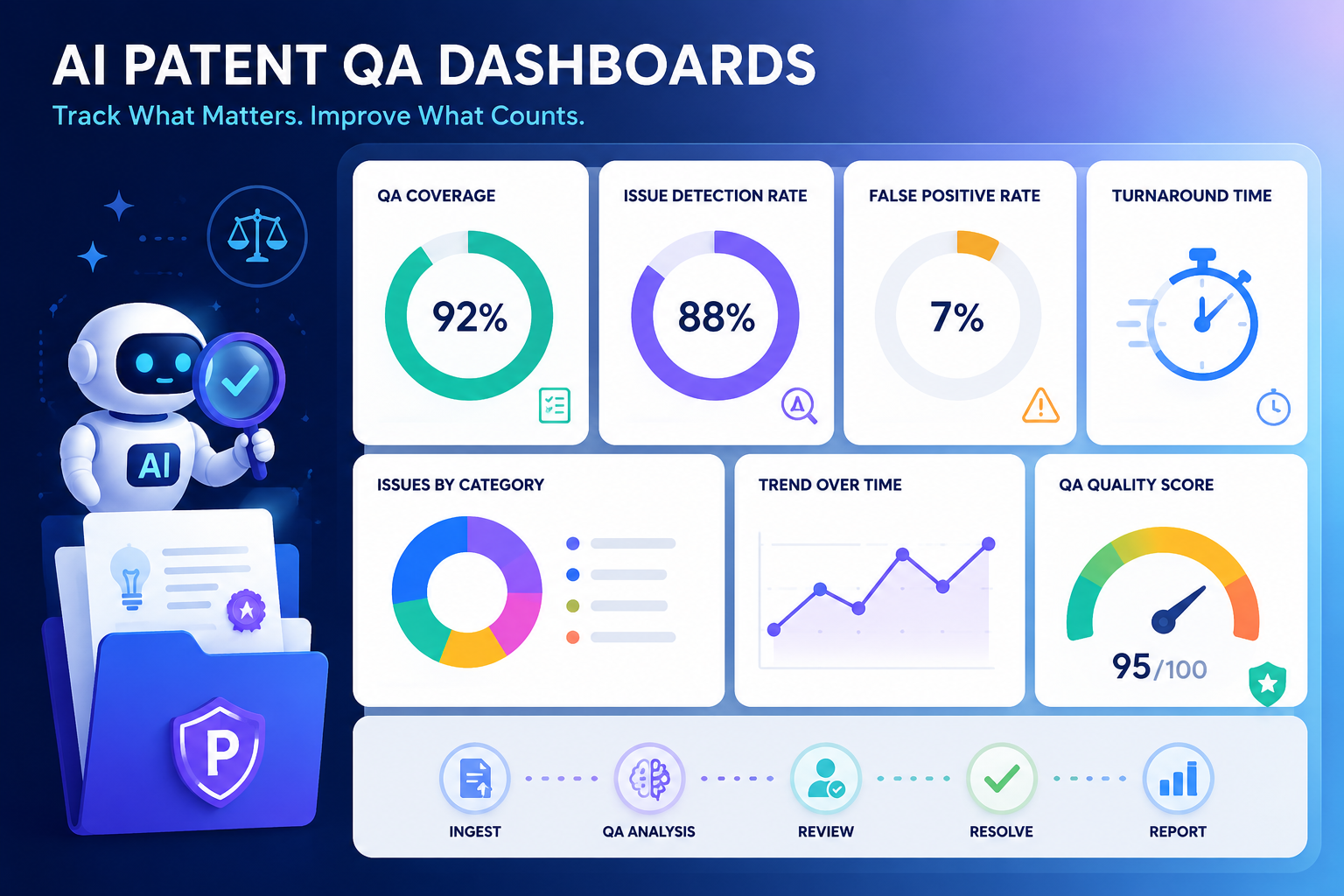
AI Patent QA Dashboards: What Metrics Should IP Teams Track?
Track better patent quality with AI QA dashboards. Learn the key metrics IP teams should watch before drafts move toward filing.
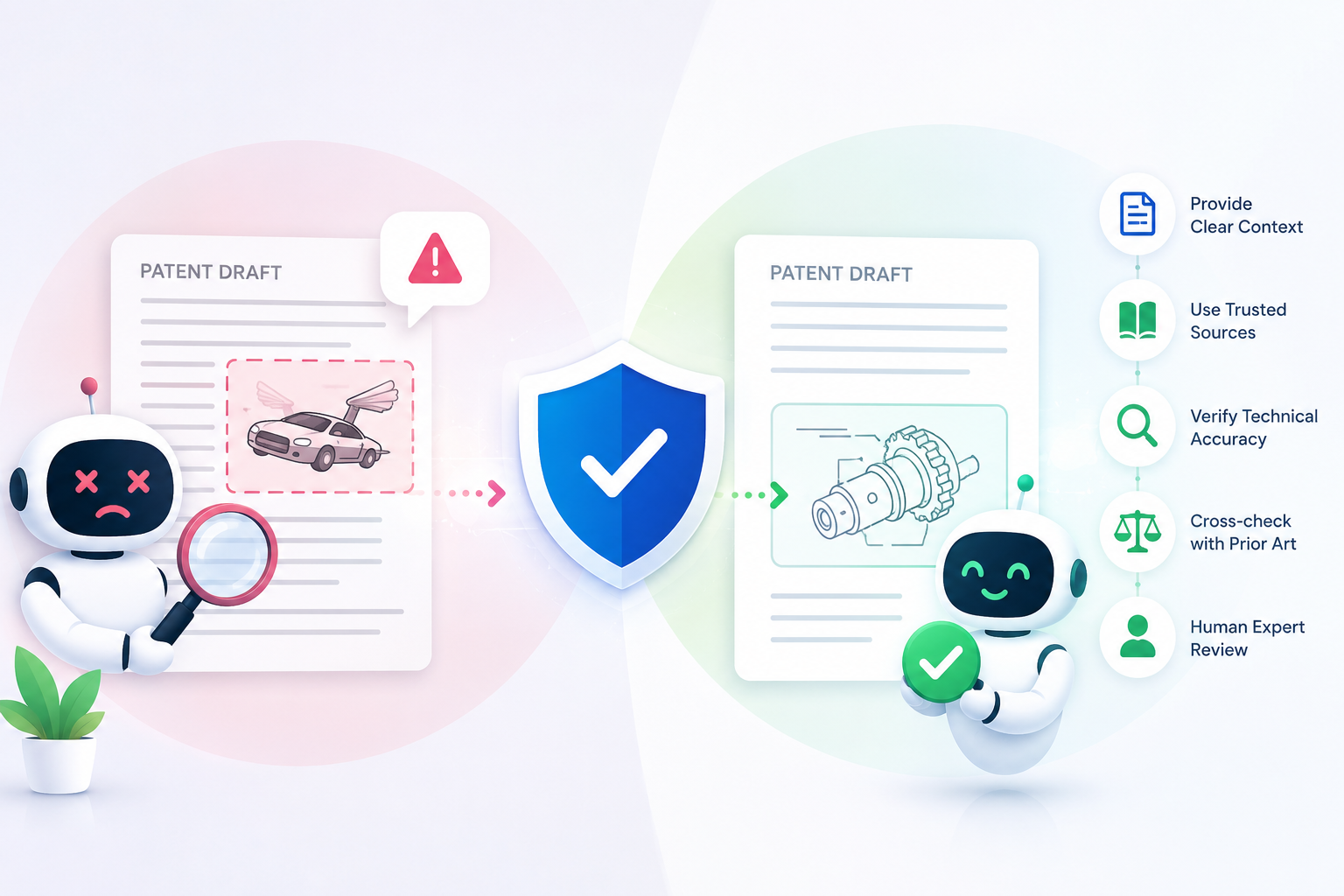
How to Avoid Hallucinations in AI-Reviewed Patent Drafts
Learn how to avoid AI hallucinations in patent draft reviews with clear checks, source control, and human attorney oversight.
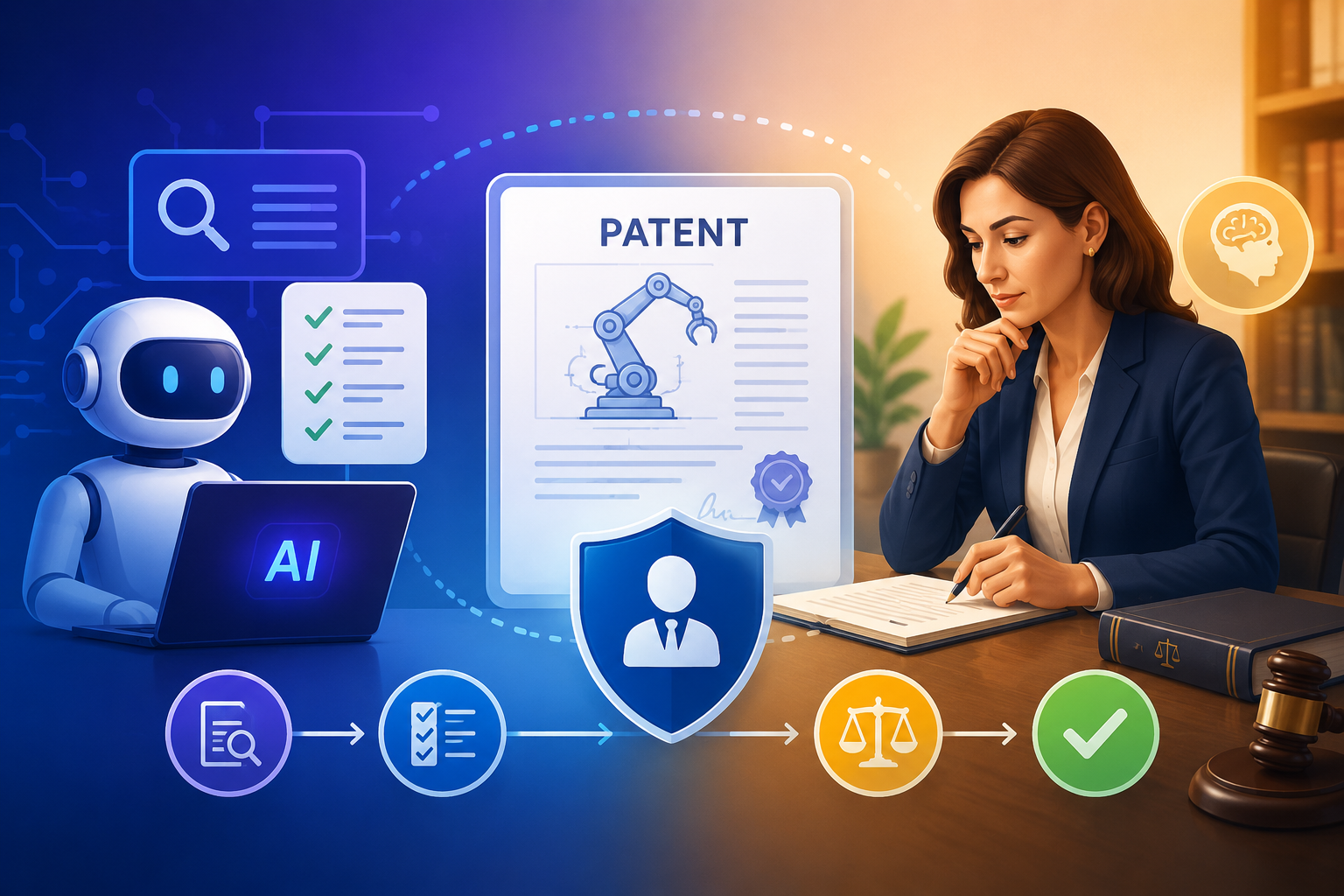
Attorney Oversight in AI Patent Review: What Must Stay Human
See what must stay human in AI patent review, from legal judgment to final checks, so teams can move fast without risky mistakes.
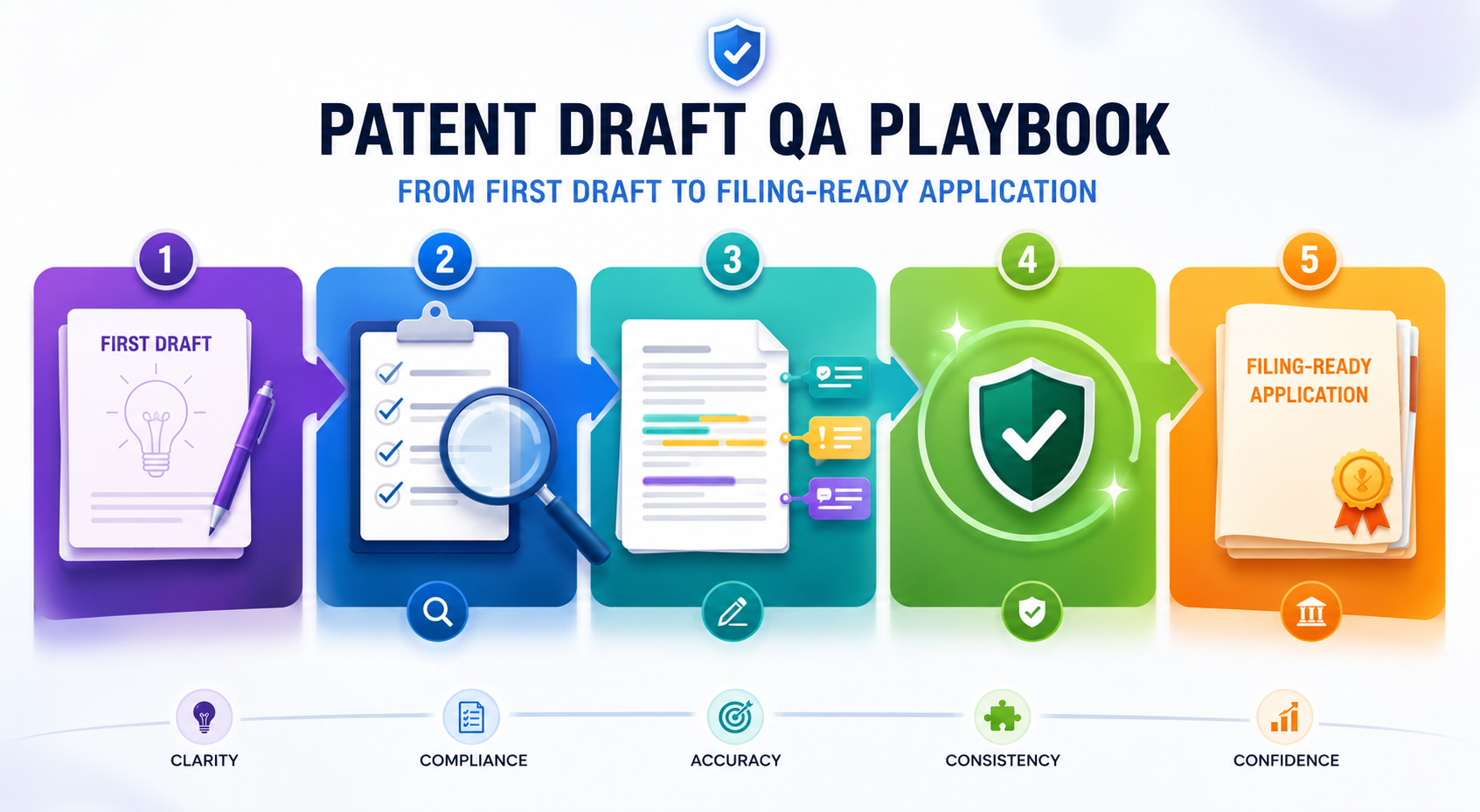
Patent Draft QA Playbook: From First Draft to Filing-Ready Application
Use this patent draft QA playbook to move from first draft to filing-ready application with clearer checks, AI support, and attorney review.

How AI Helps Patent Attorneys Reduce Draft Review Time
See how AI helps patent attorneys review drafts faster, catch issues early, and save time without losing human oversight.
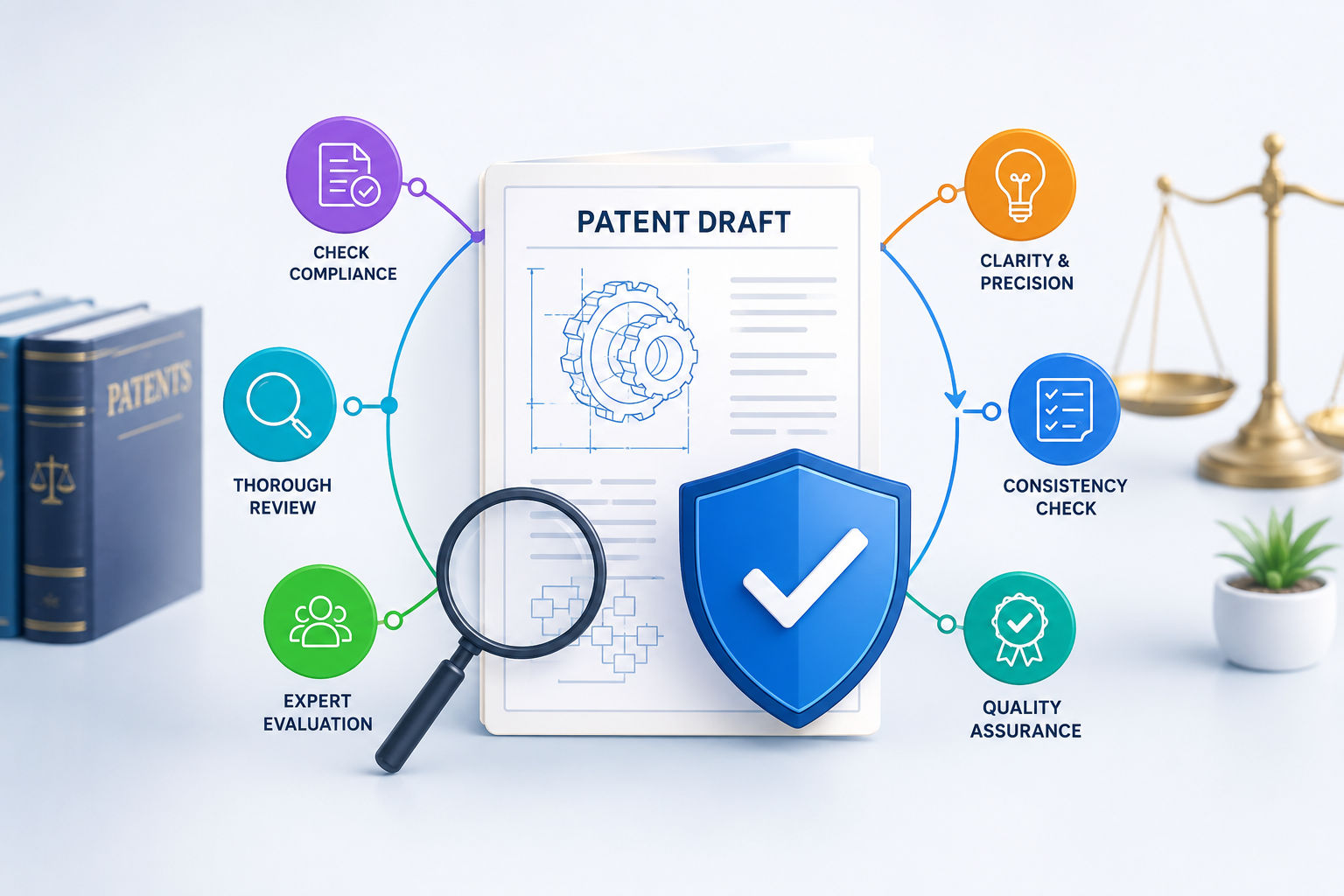
Patent Draft Quality Control for Law Firms: Best Practices
Learn best practices for patent draft quality control so law firms can reduce errors, improve drafts, and protect clients with confidence.
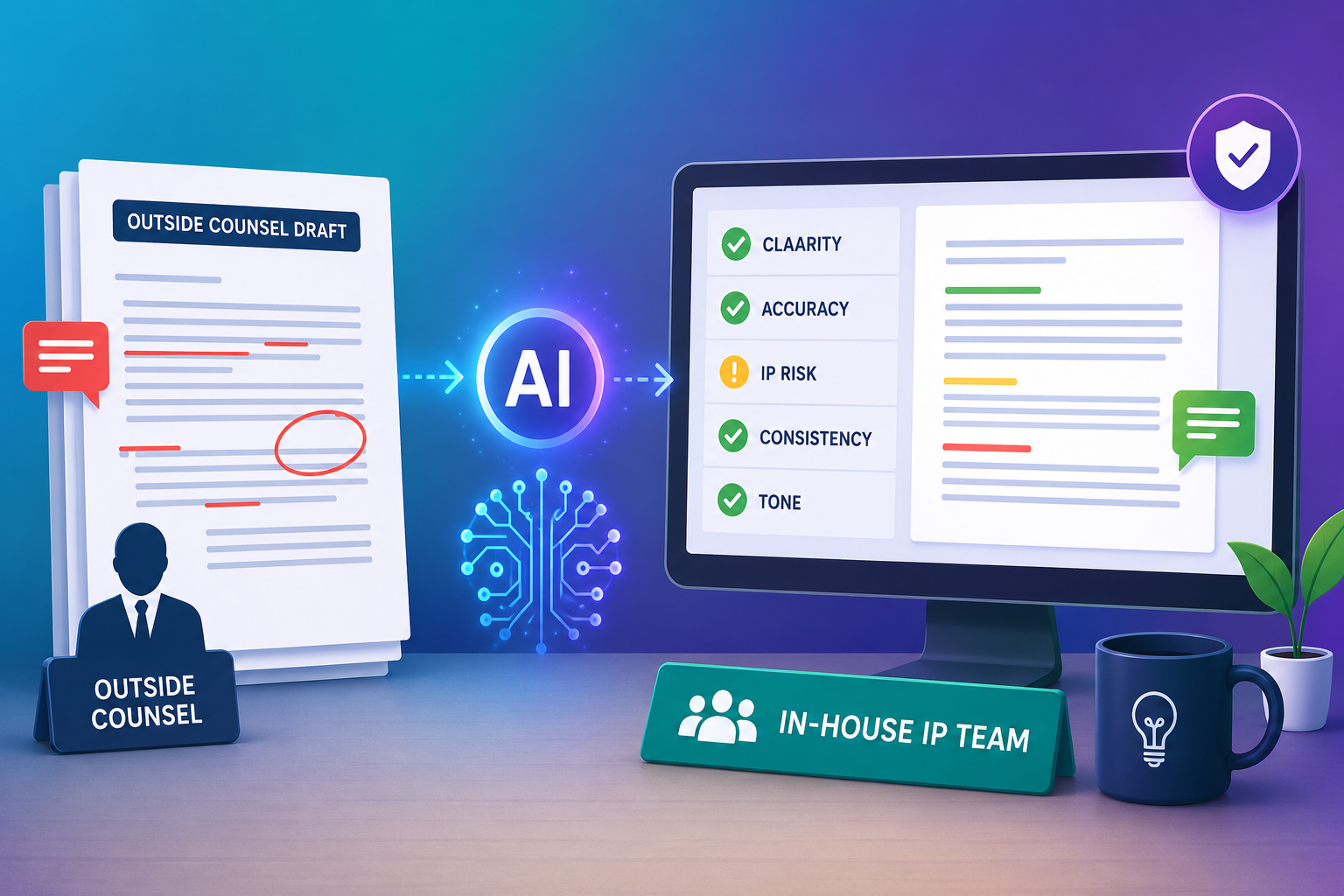
How In-House IP Teams Use AI to Review Outside Counsel Drafts
See how in-house IP teams use AI to review outside counsel drafts faster, spot gaps, and keep patent quality under control.
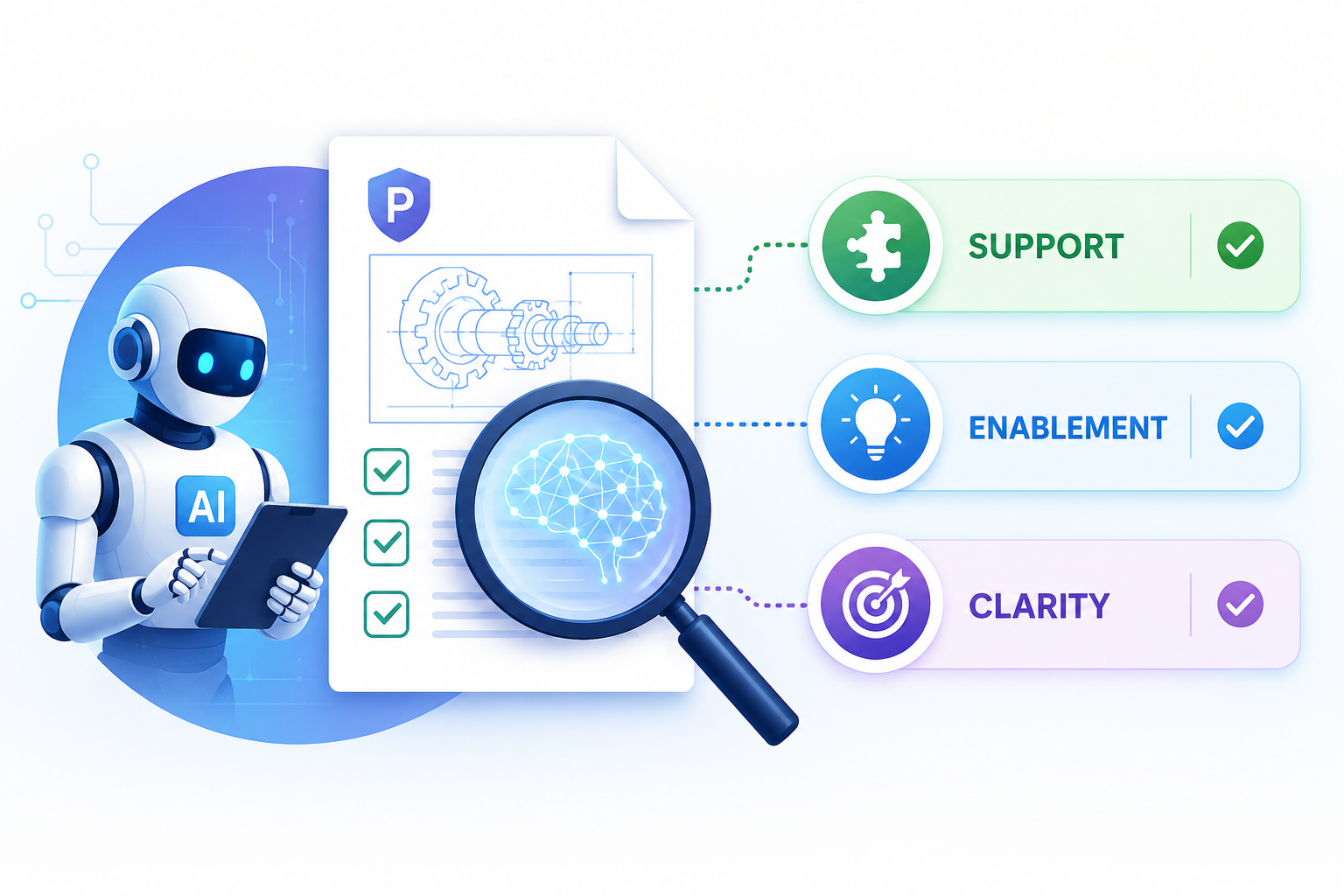
AI Patent Review for Section 112 Issues: Support, Enablement, Clarity
Learn how AI patent review helps find Section 112 issues like weak support, unclear claims, and enablement gaps before filing.
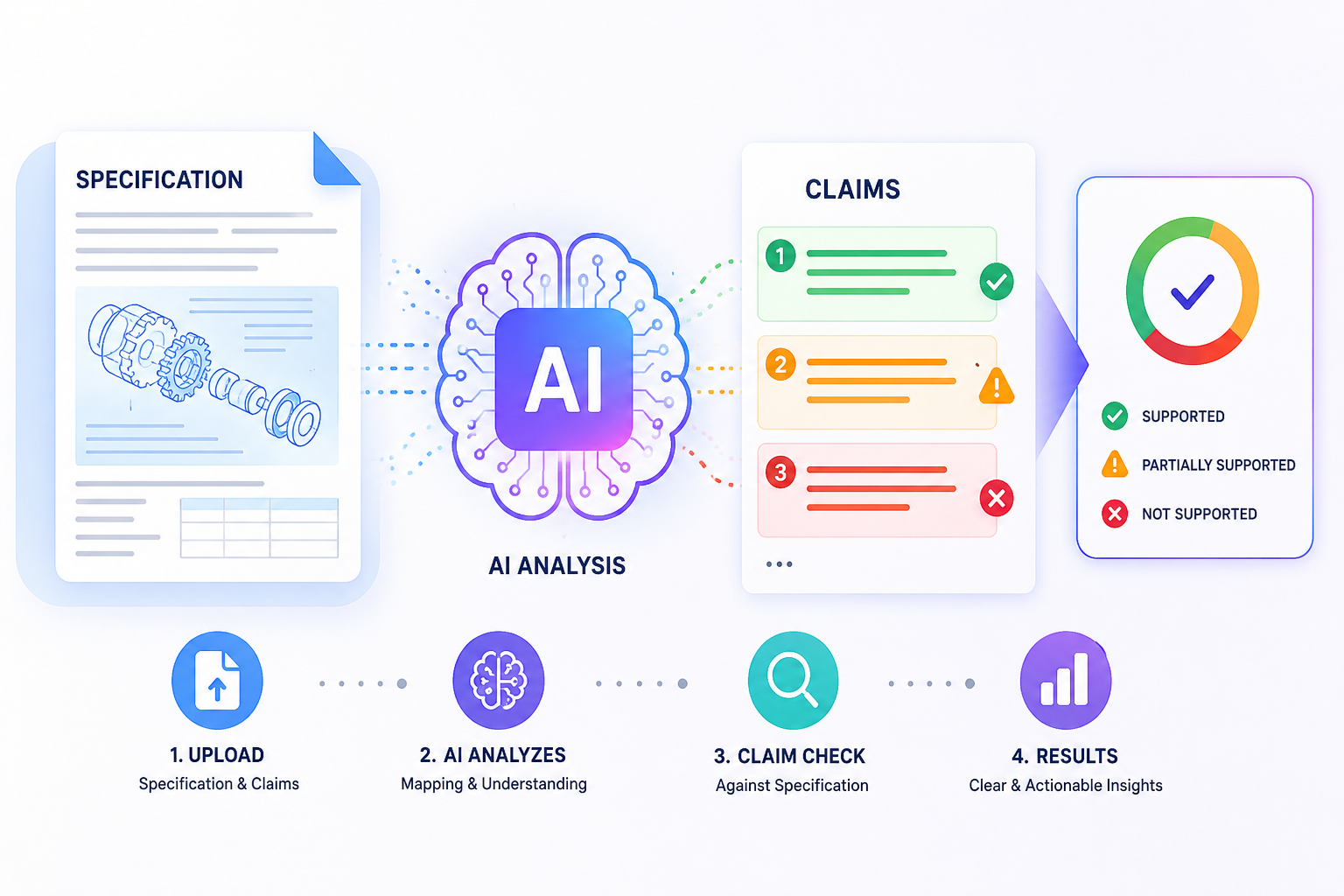
How to Check Patent Claims Against the Specification Using AI
Learn how AI helps check patent claims against the specification to find missing support, unclear terms, and draft risks faster.
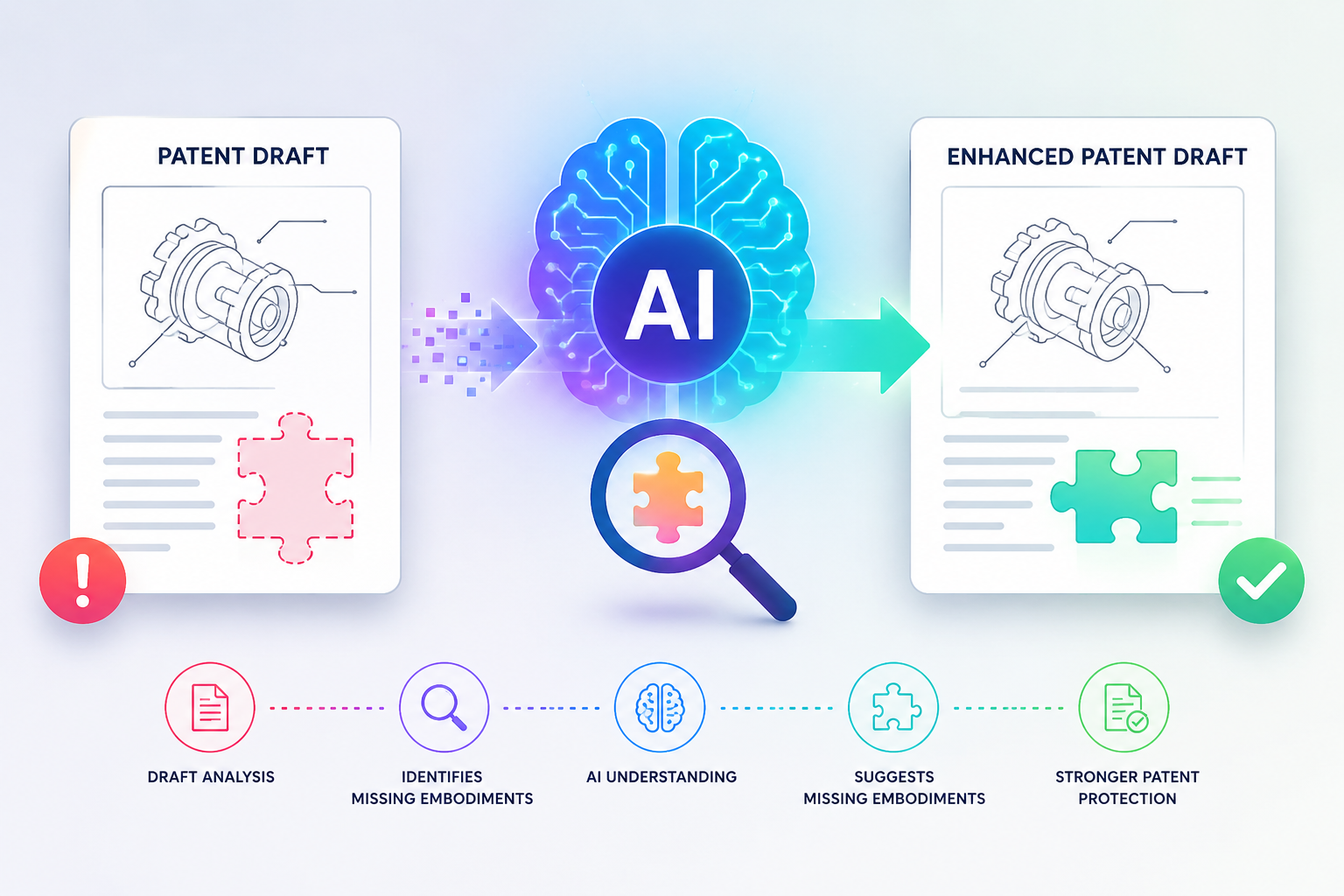
How AI Helps Find Missing Embodiments in Patent Drafts
See how AI helps find missing embodiments in patent drafts so teams can strengthen coverage and avoid gaps before filing.
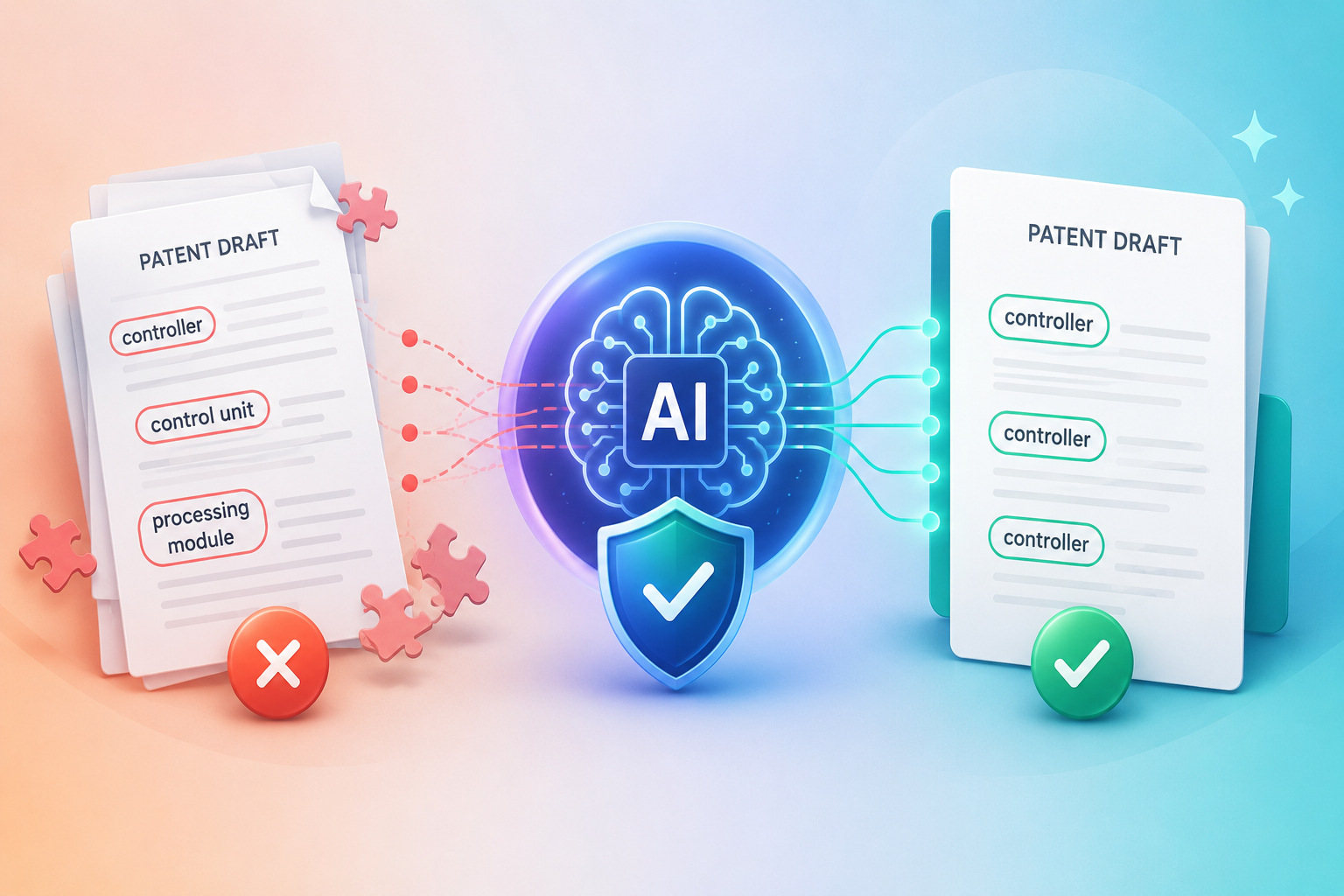
Patent Terminology Consistency: How AI Prevents Drafting Mistakes
Learn how AI checks patent terminology consistency to catch mismatched terms, reduce drafting errors, and improve patent quality.
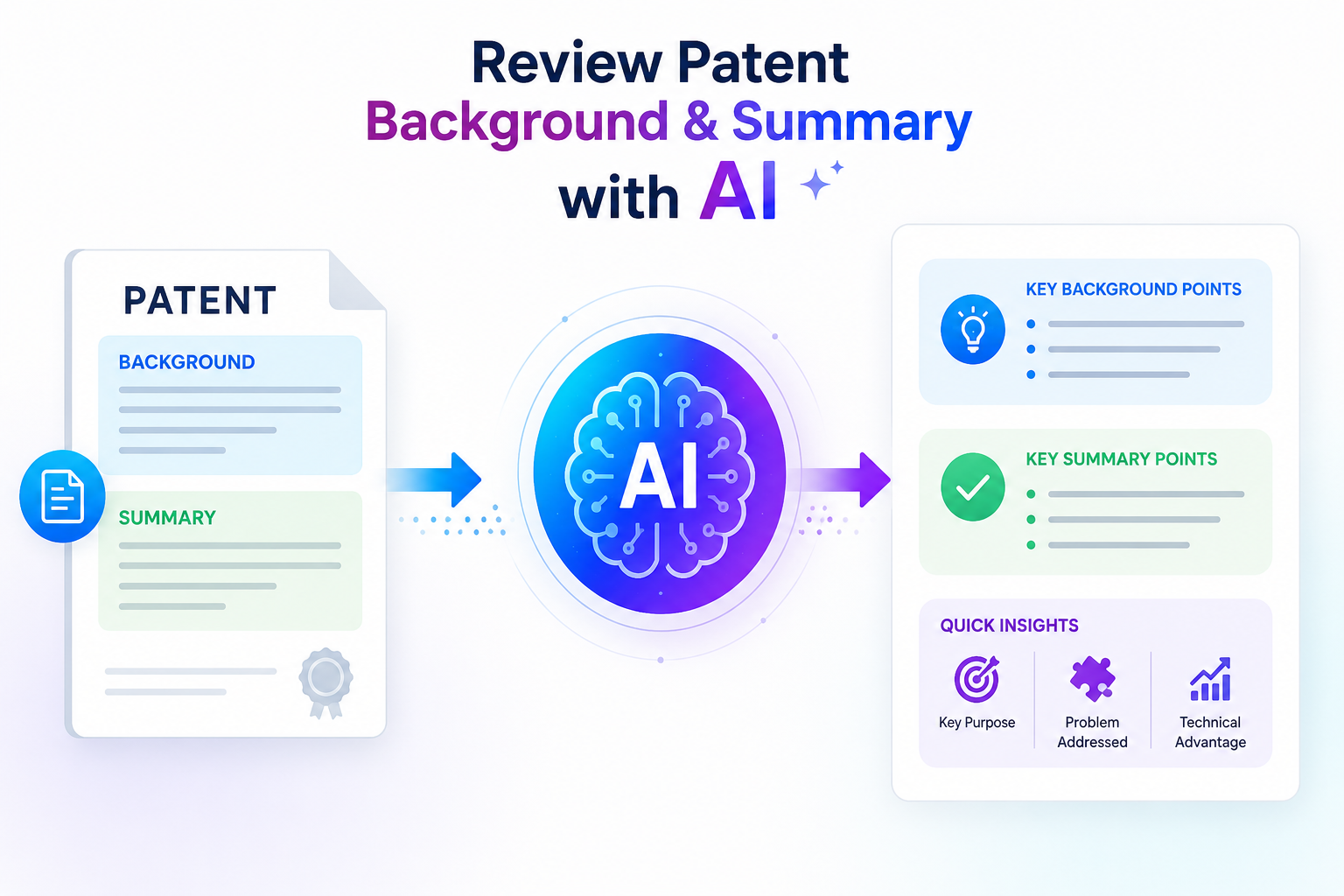
How to Review Patent Background and Summary Sections with AI
Learn how AI helps review patent background and summary sections for clarity, accuracy, and consistency before filing.
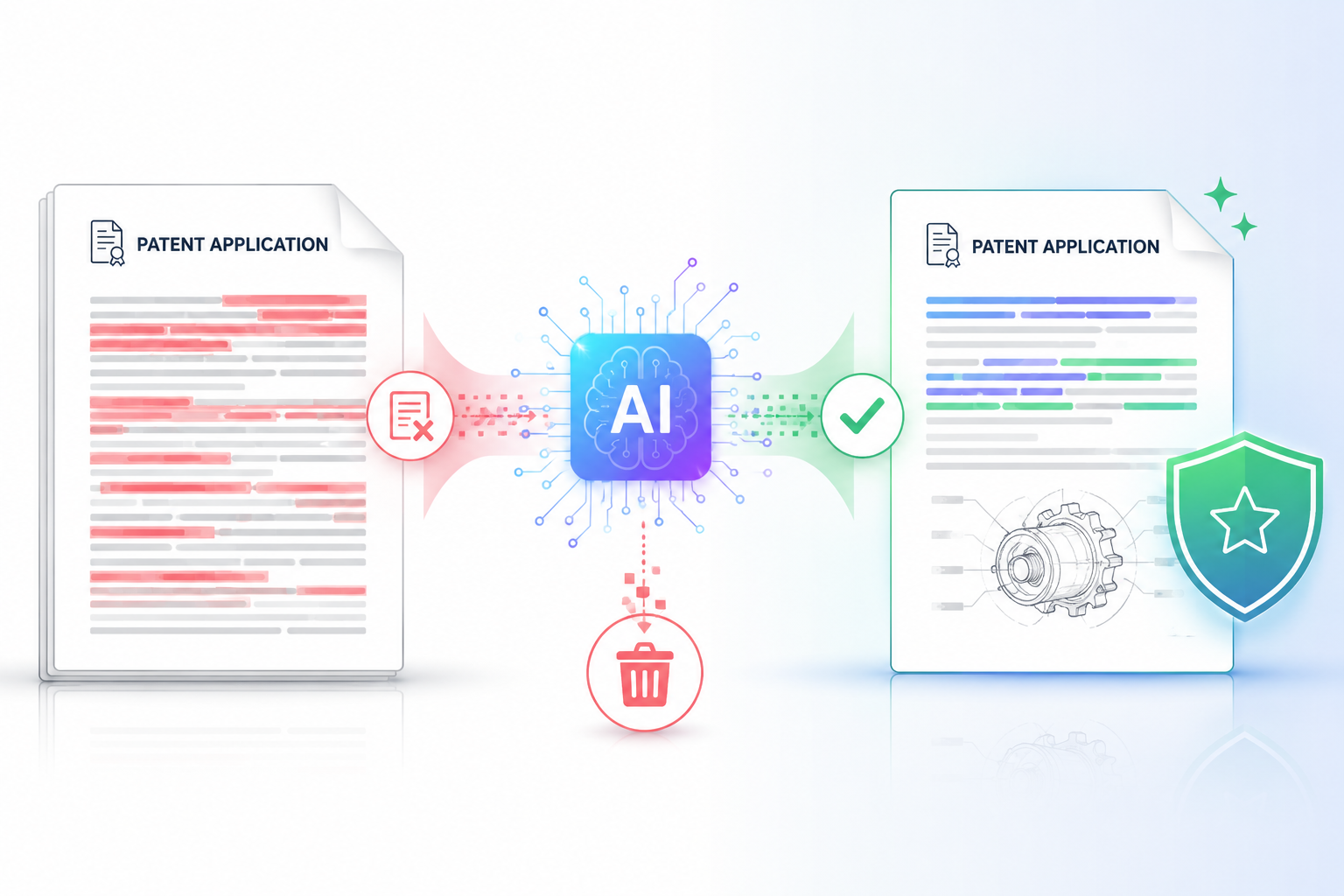
AI for Detecting Boilerplate in Patent Applications
See how AI detects boilerplate in patent applications so attorneys can remove weak language and create stronger, cleaner drafts.
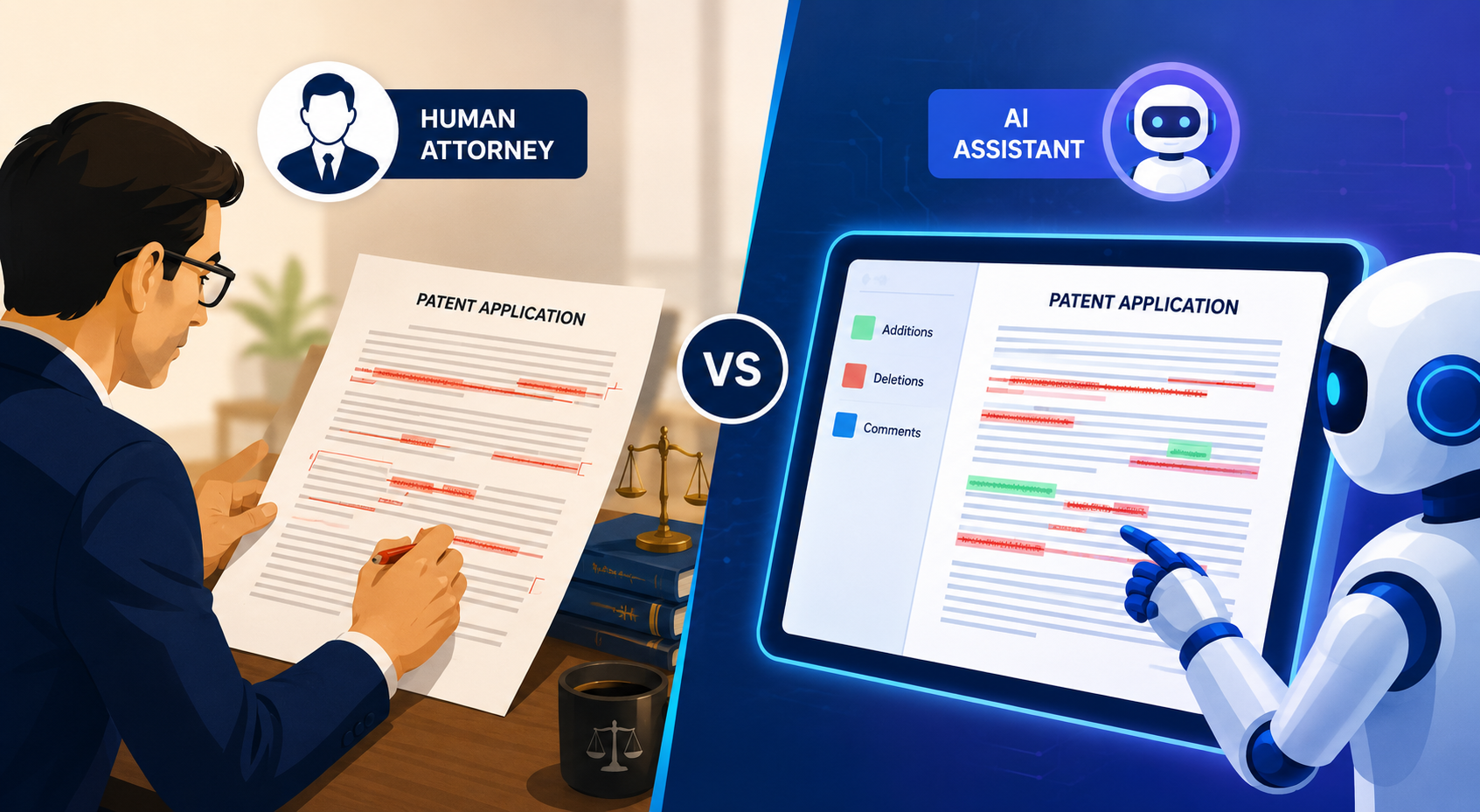
Patent Redline Review: Human Attorney vs AI Assistant
Compare human attorney redline review with AI assistants and see how both can work together to improve patent draft quality faster.
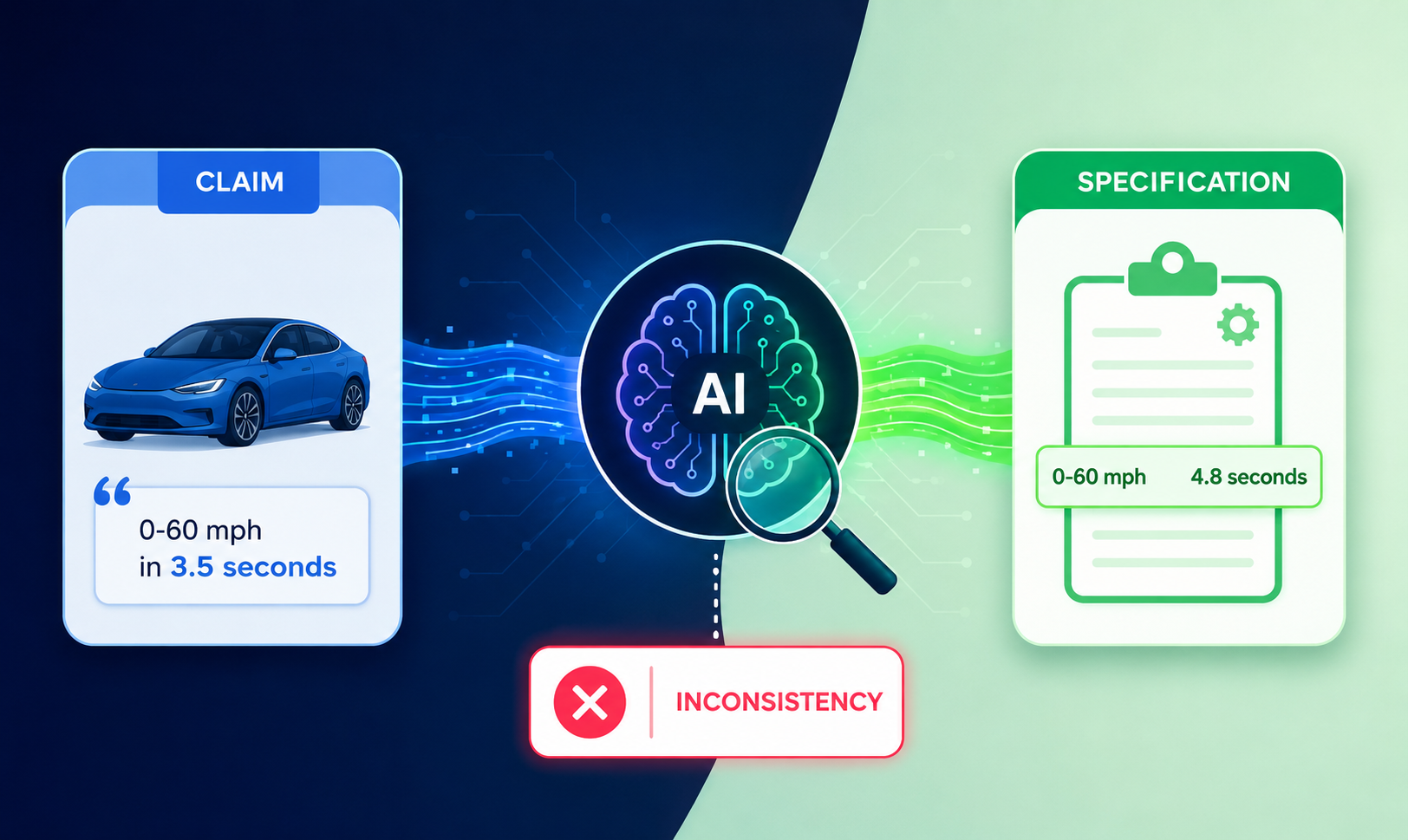
How AI Spots Inconsistencies Between Claims and Specifications
See how AI helps find claim/spec mismatches fast, so patent drafts stay clear, accurate, and ready for stronger attorney review.
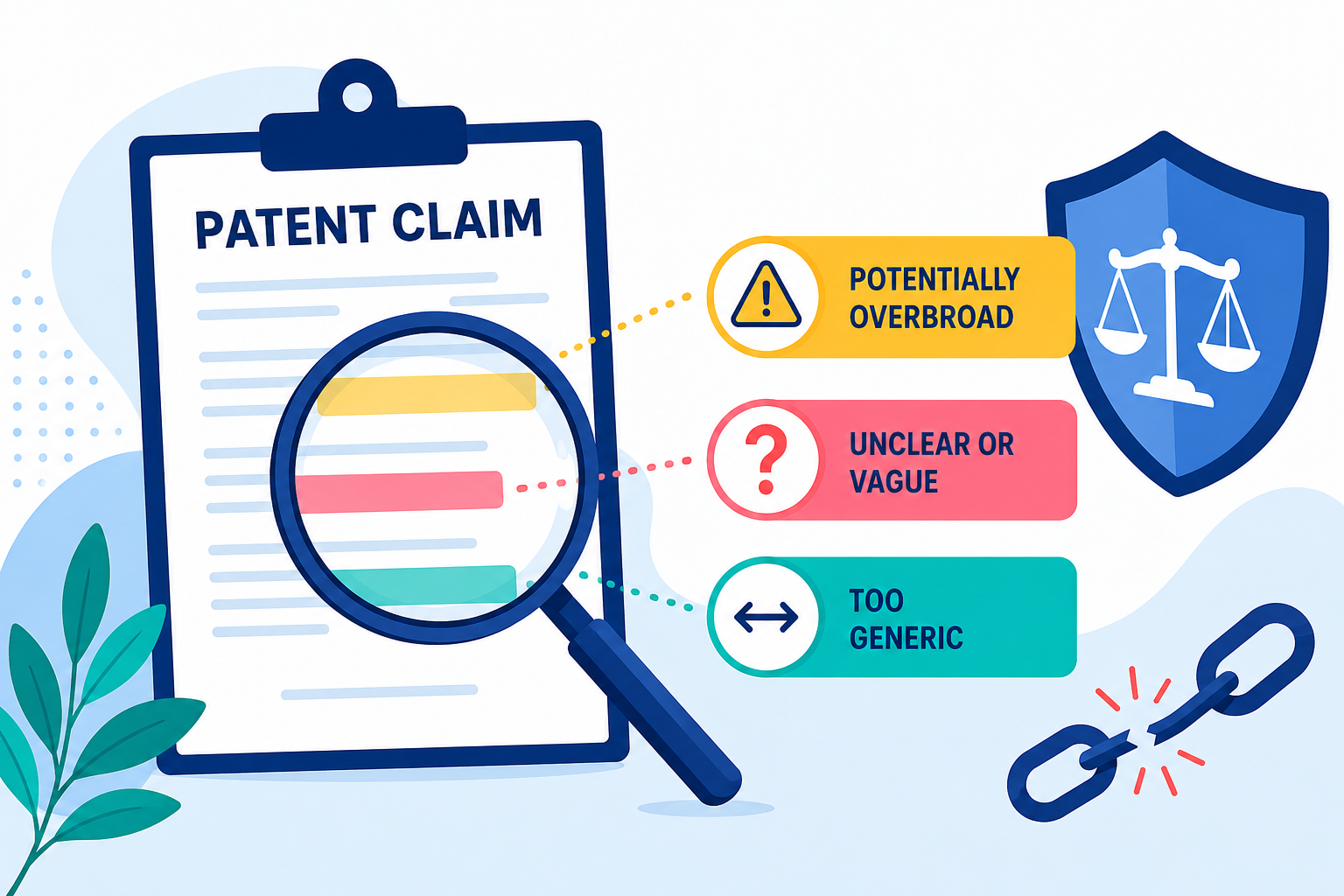
Patent Claim Review: How to Find Weak or Overbroad Language
Learn how to spot weak or too-broad claim language before filing, so your patent draft is clearer, stronger, and easier to defend.
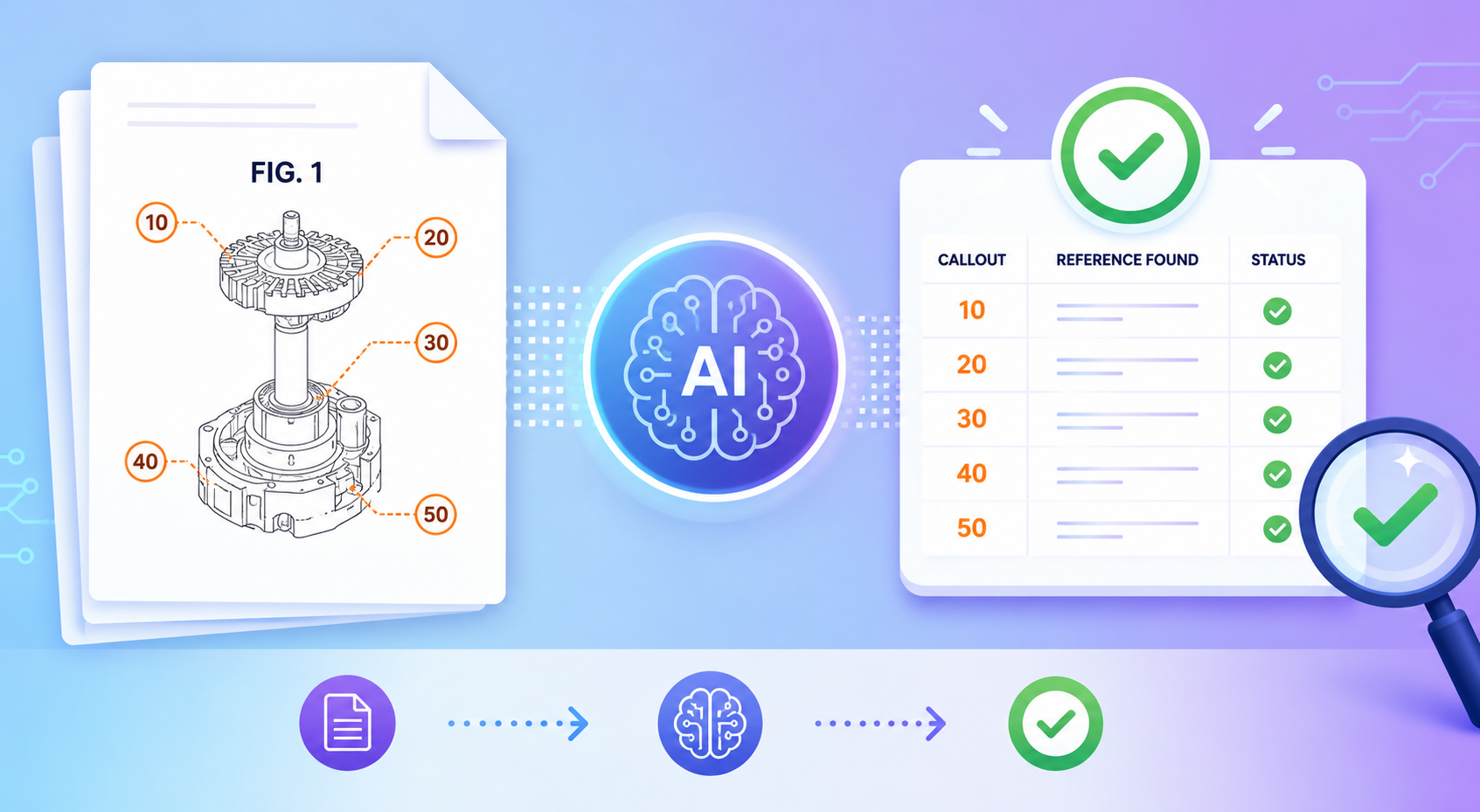
AI Tools for Checking Patent Figure References and Callouts
Discover how AI checks patent figure references and callouts to catch errors faster and keep your application clean and consistent.

How to Redline Patent Applications Faster with AI
Learn how AI speeds up patent redlines, helps catch draft issues, and gives teams a faster way to review changes with confidence.
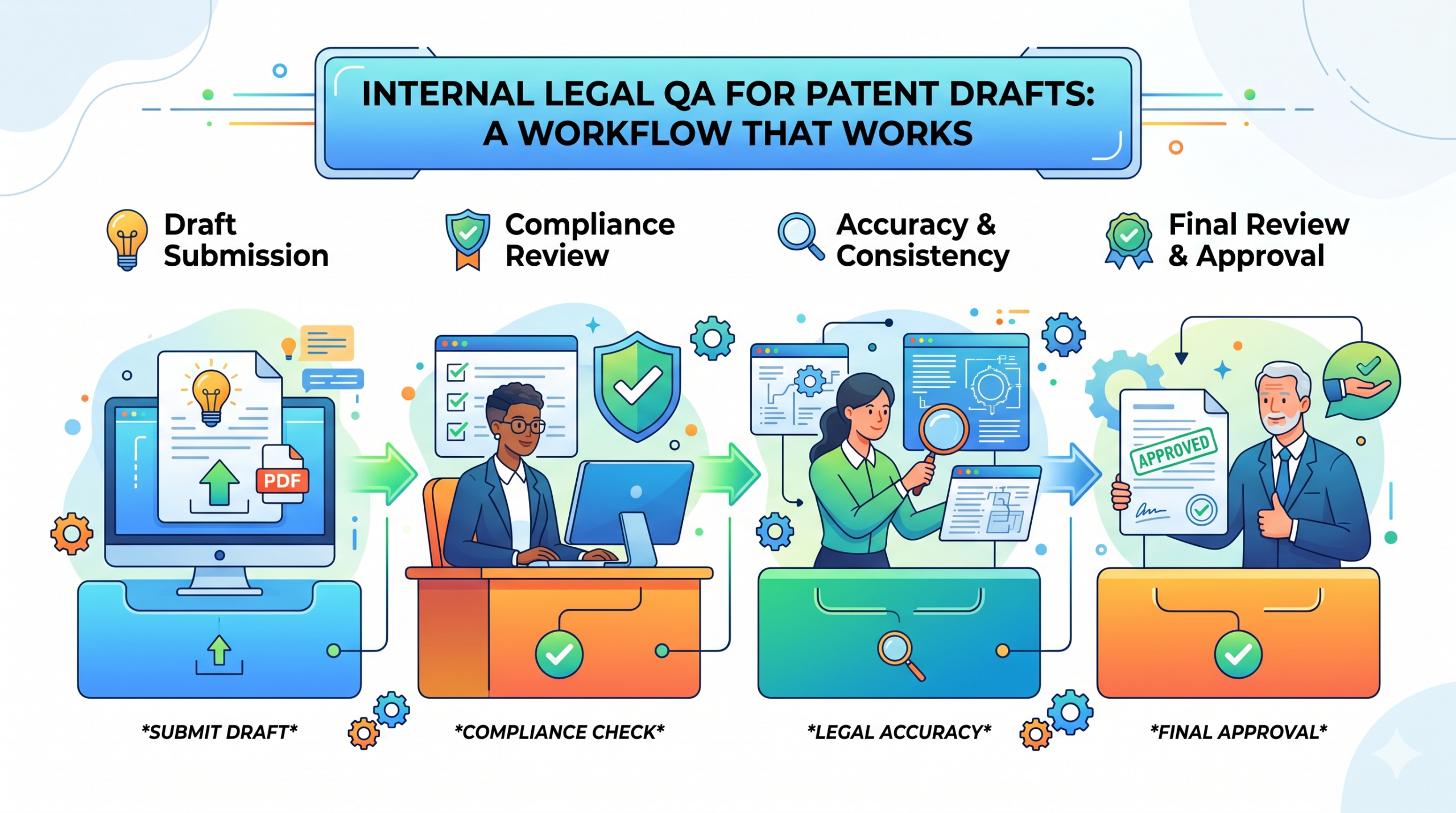
Internal Legal QA for Patent Drafts: A Workflow That Works
Build a simple legal QA workflow for patent drafts that helps teams catch errors early, reduce delays, and file with more confidence.
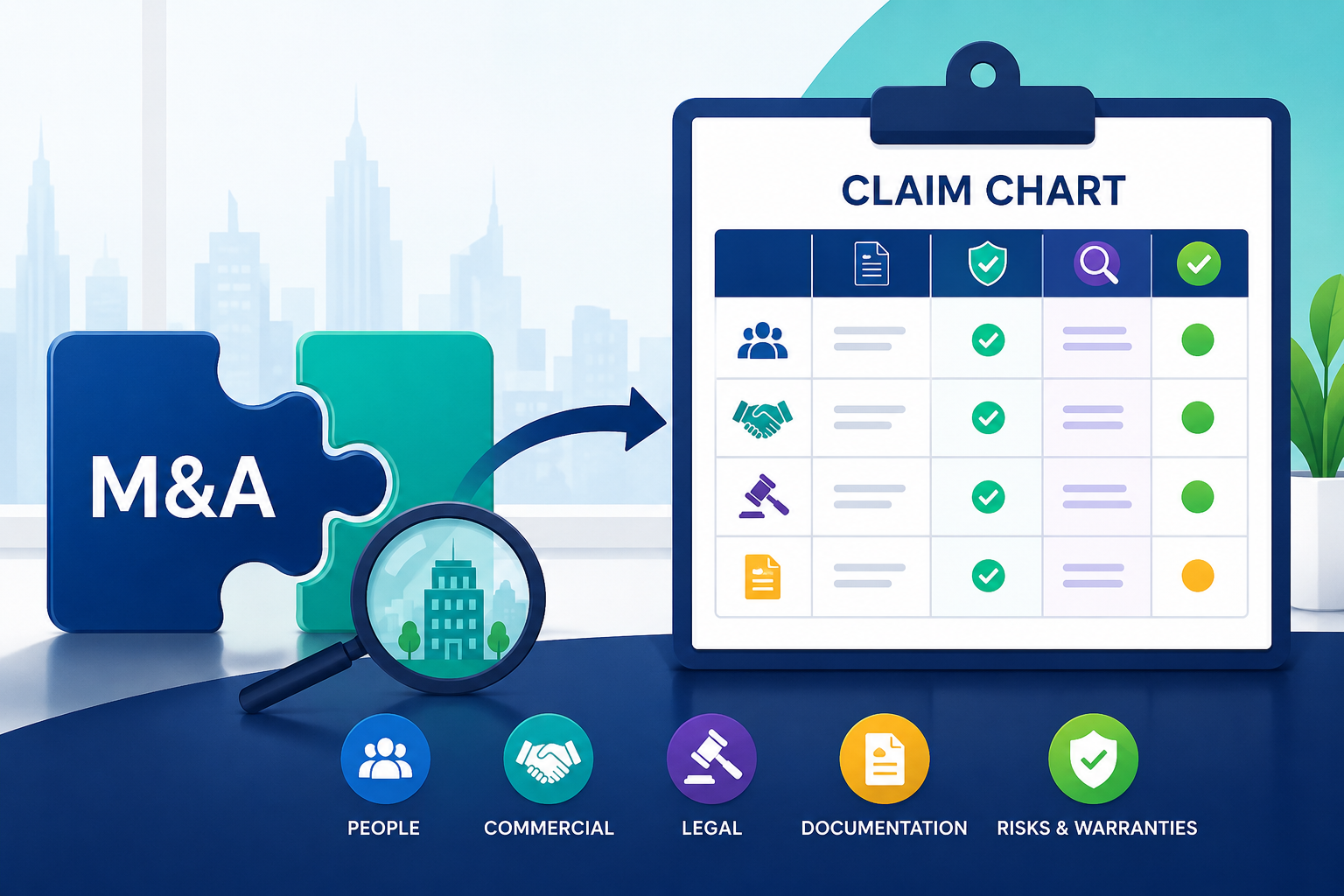
Claim Charts in M&A Due Diligence: What Buyers Want to See
See what buyers look for in claim charts during M&A due diligence and how clear patent evidence can support stronger deals.
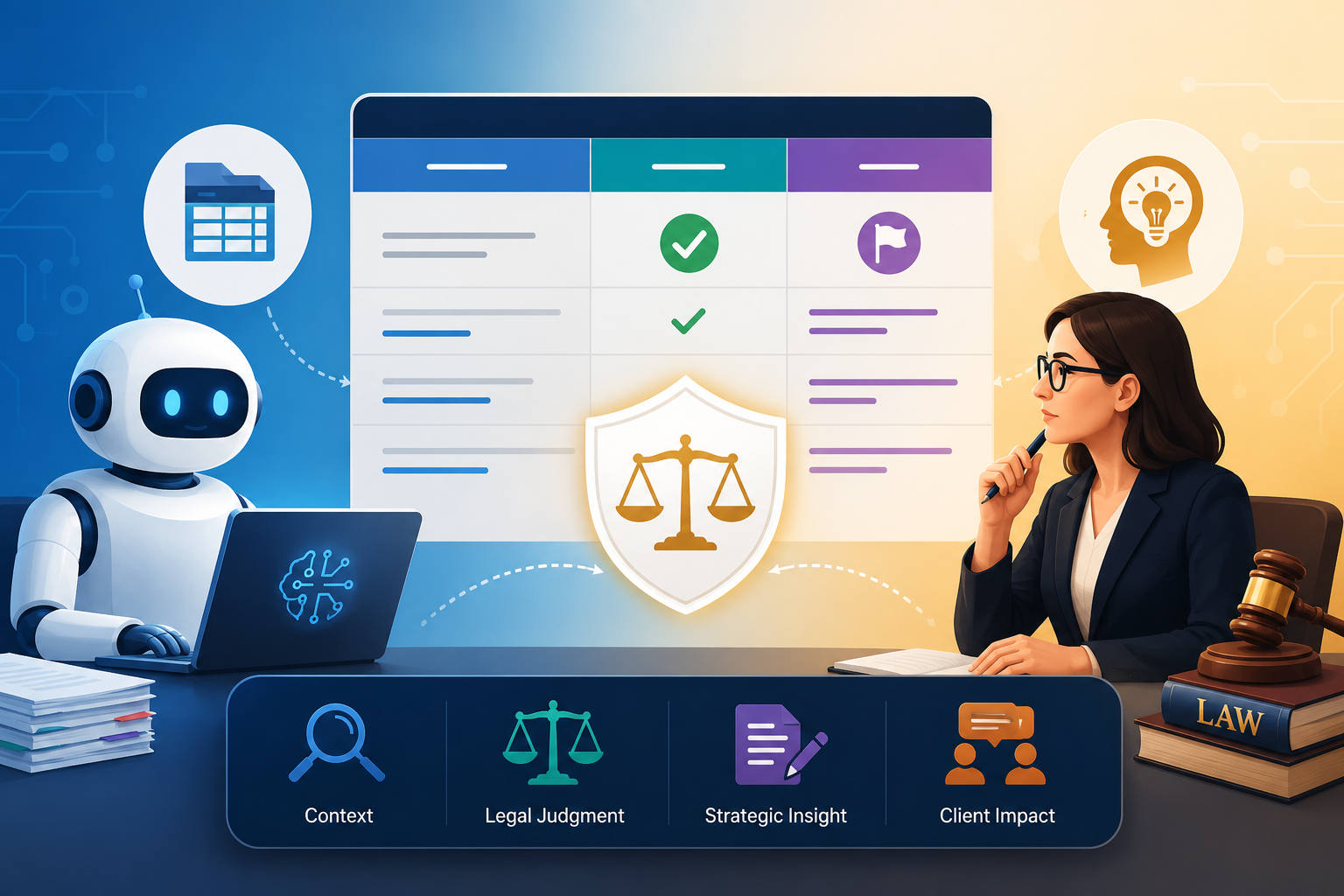
Attorney Review in AI Claim Charting: What Must Stay Human
Learn why attorney review still matters in AI claim charting and how human oversight helps protect accuracy, strategy, and risk.
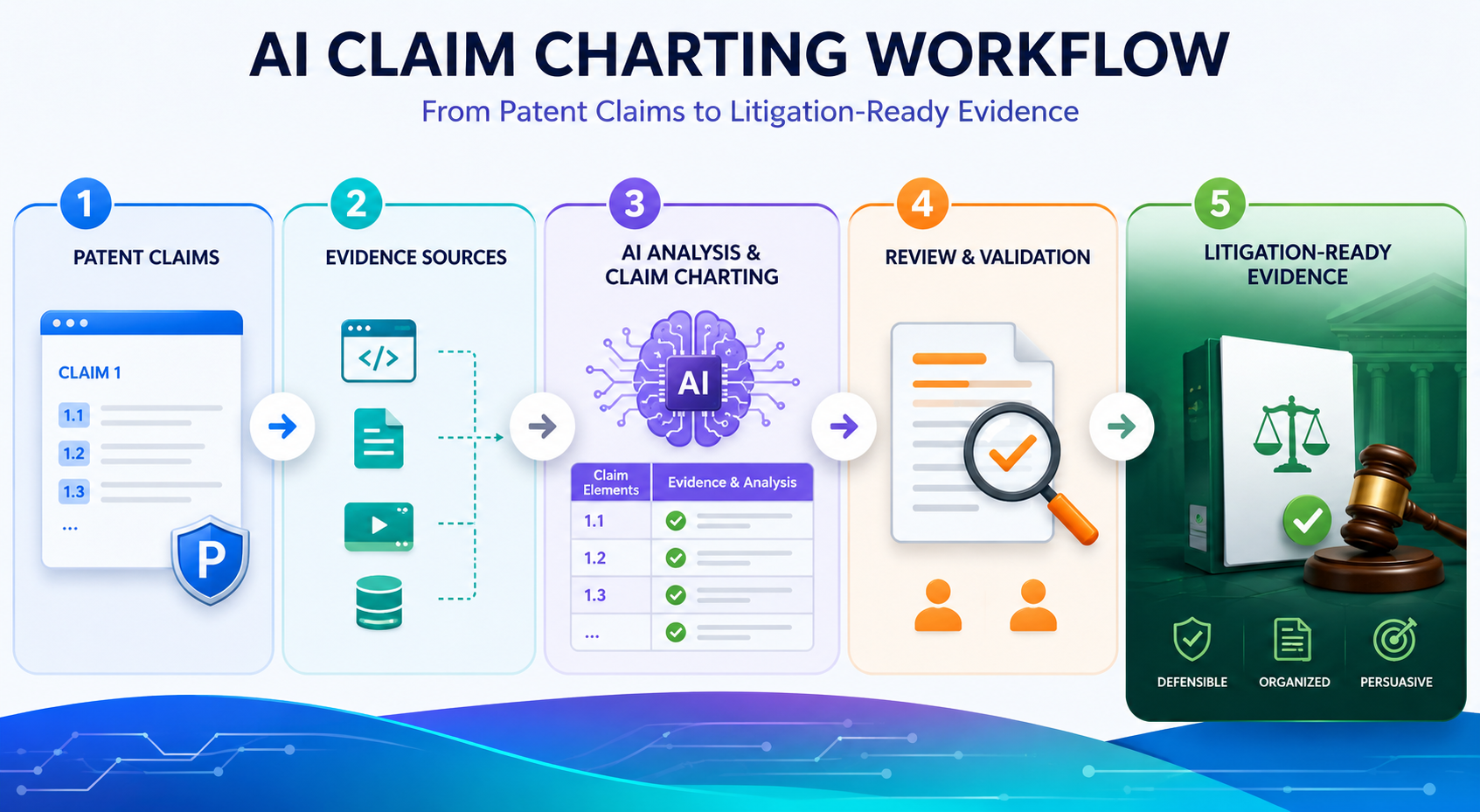
AI Claim Charting Workflow: From Patent Claims to Litigation-Ready Evidence
See how AI claim charting turns patent claims into clear, litigation-ready evidence with faster review and attorney oversight.
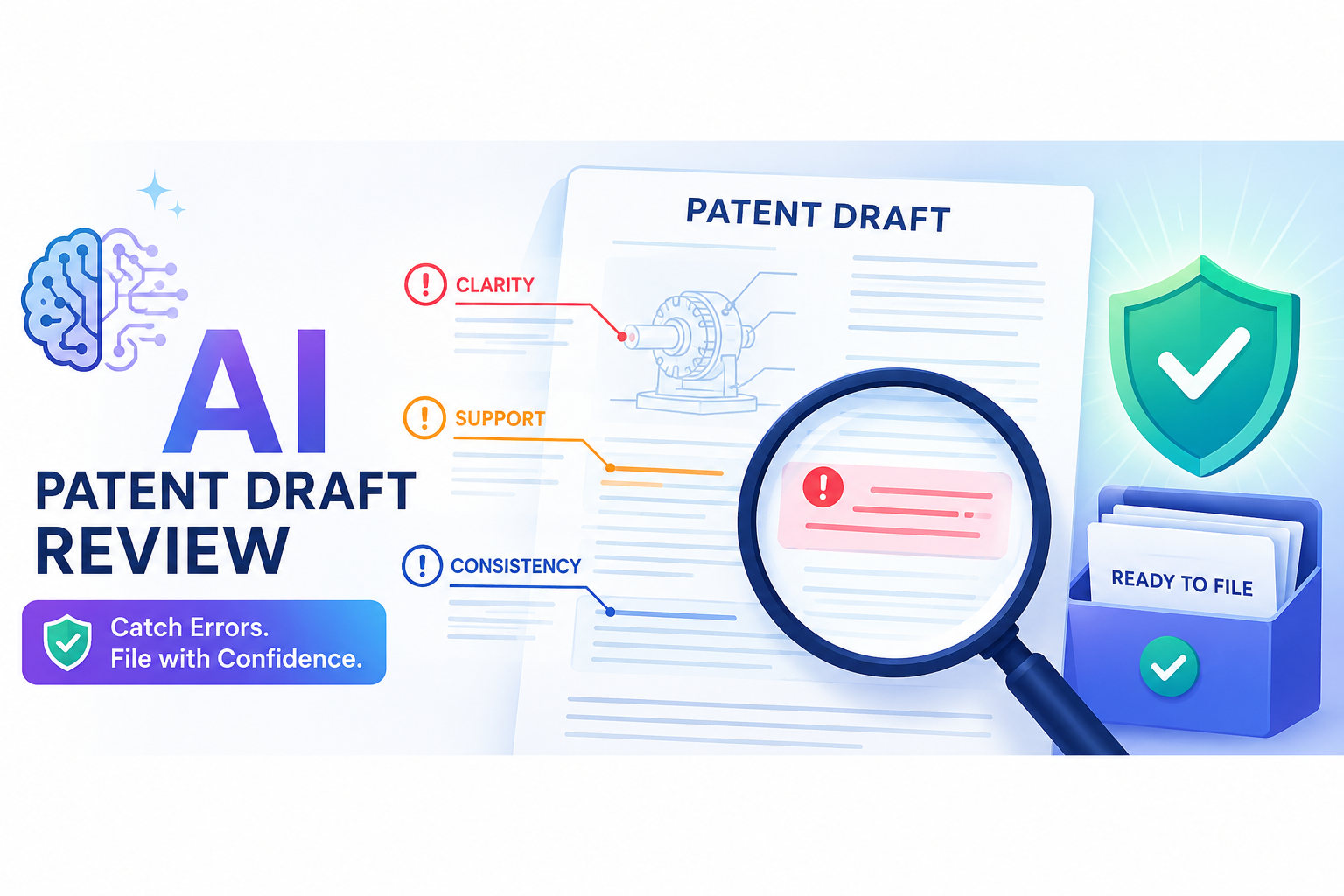
AI Patent Draft Review: How to Catch Errors Before Filing
Learn how AI patent draft review helps catch errors before filing so founders can reduce risk, save time, and protect inventions.
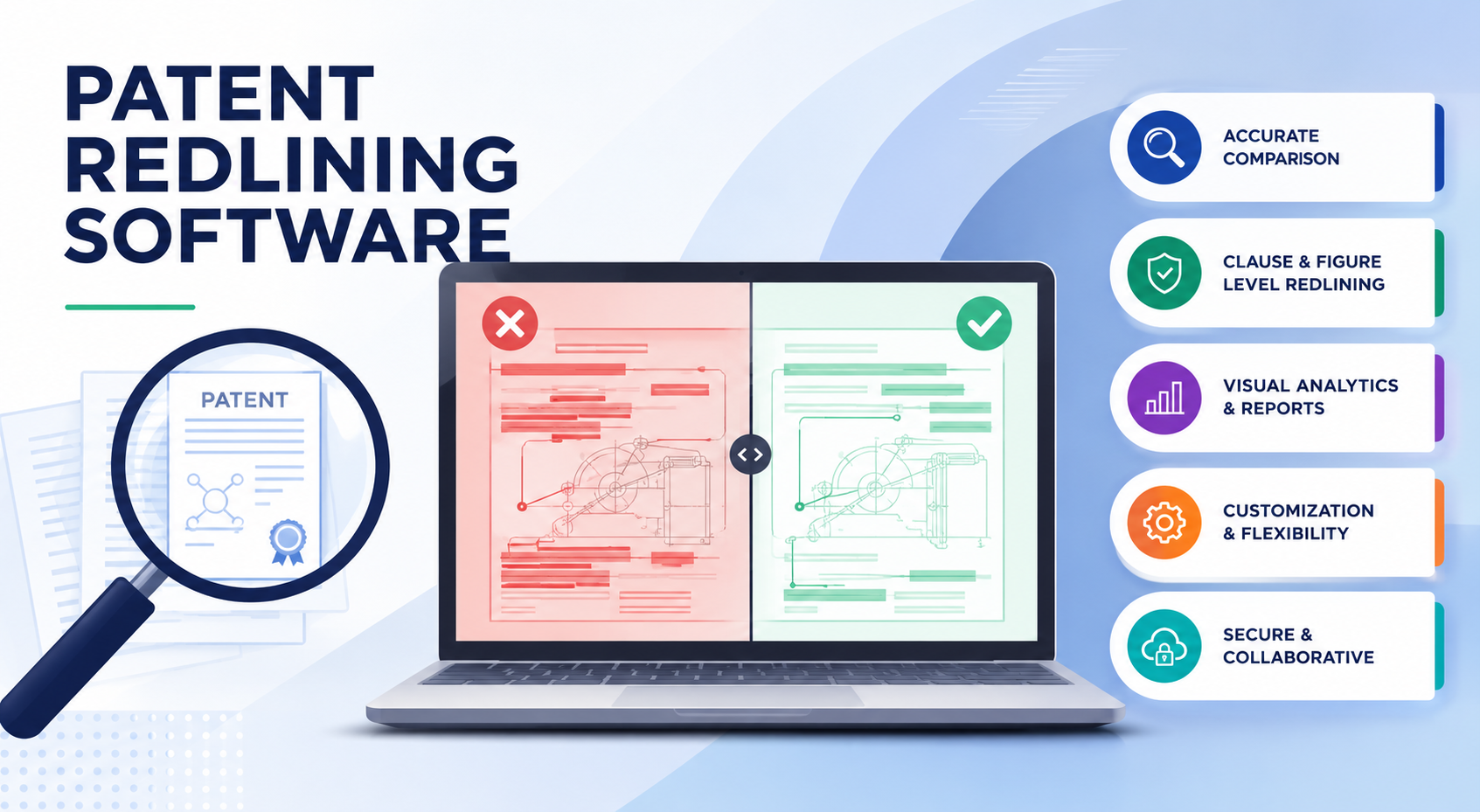
Patent Redlining Software: What IP Teams Should Look For
Find out what IP teams should look for in patent redlining software to review drafts faster, catch issues, and stay in control.
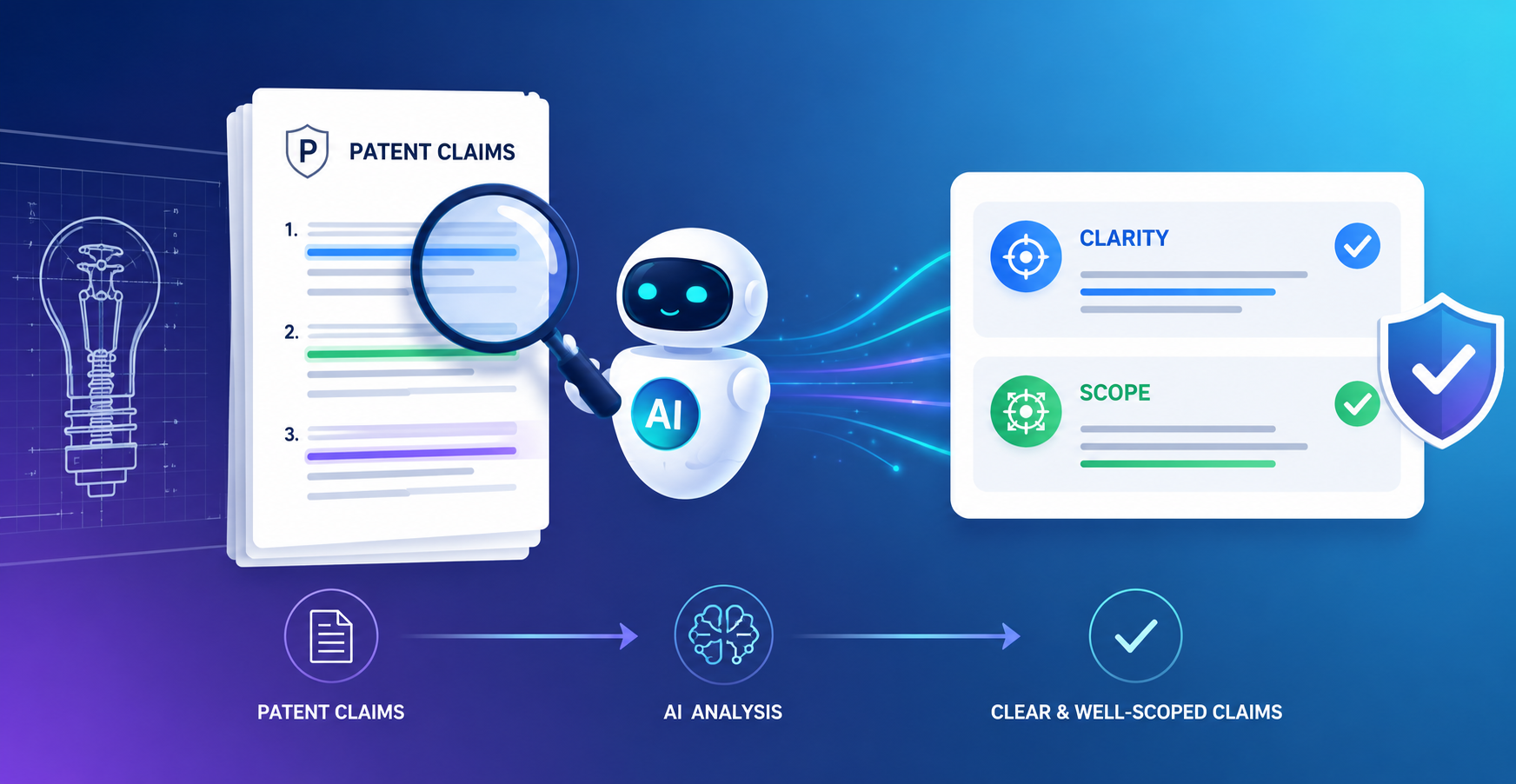
How AI Helps Review Patent Claims for Clarity and Scope
See how AI helps review patent claims for clarity and scope so teams can spot weak wording, avoid gaps, and file stronger patents.
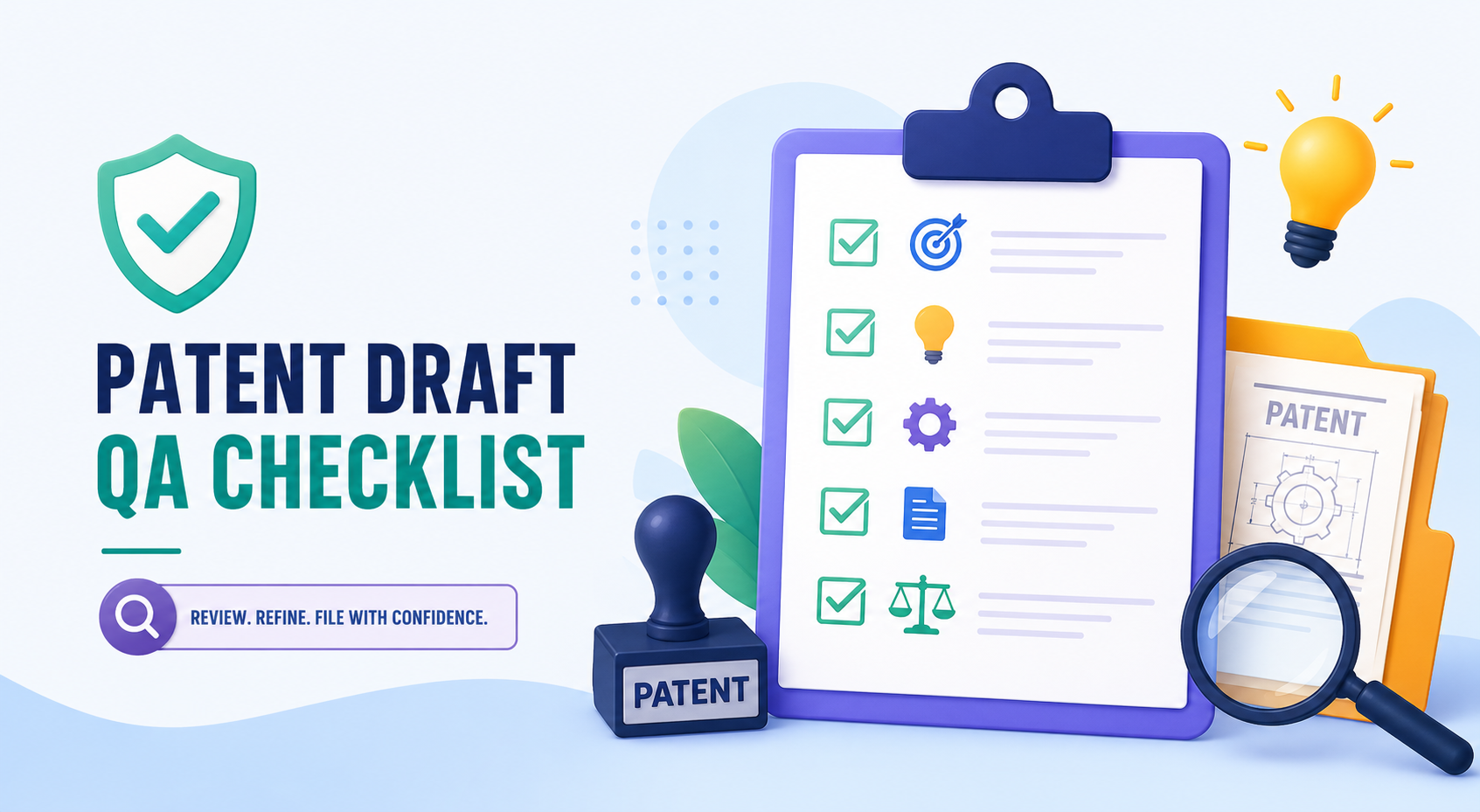
Patent Draft QA Checklist: What to Review Before Filing
Use this patent draft QA checklist to review claims, specs, figures, and forms before filing and avoid costly patent mistakes.
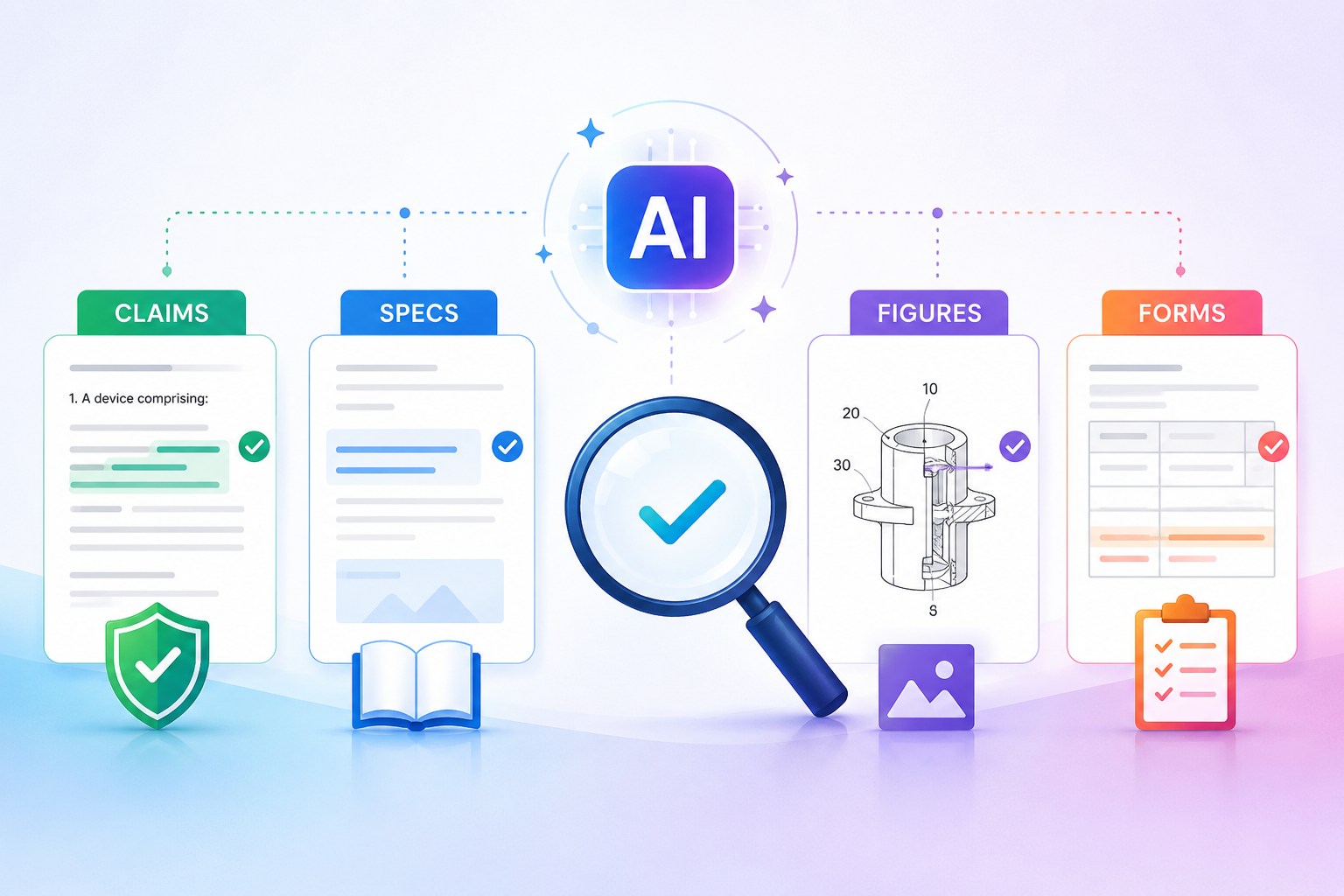
AI for Patent Proofreading: Claims, Specs, Figures, and Forms
Learn how AI patent proofreading helps check claims, specs, figures, and forms faster while keeping attorney review in the loop.
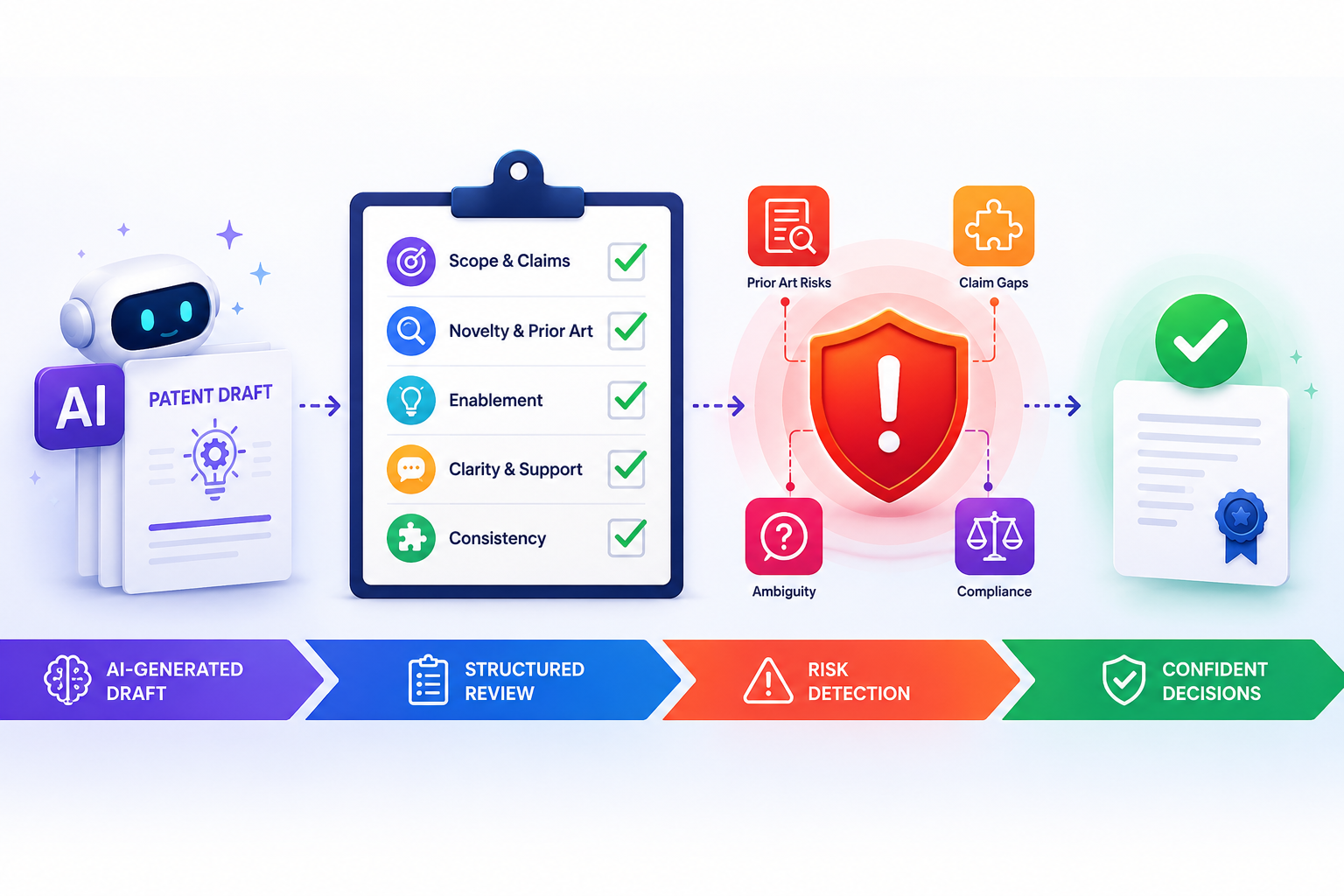
How to Review AI-Generated Patent Drafts Without Missing Risks
Learn how to review AI-generated patent drafts, spot hidden risks, and use attorney oversight before filing your invention.
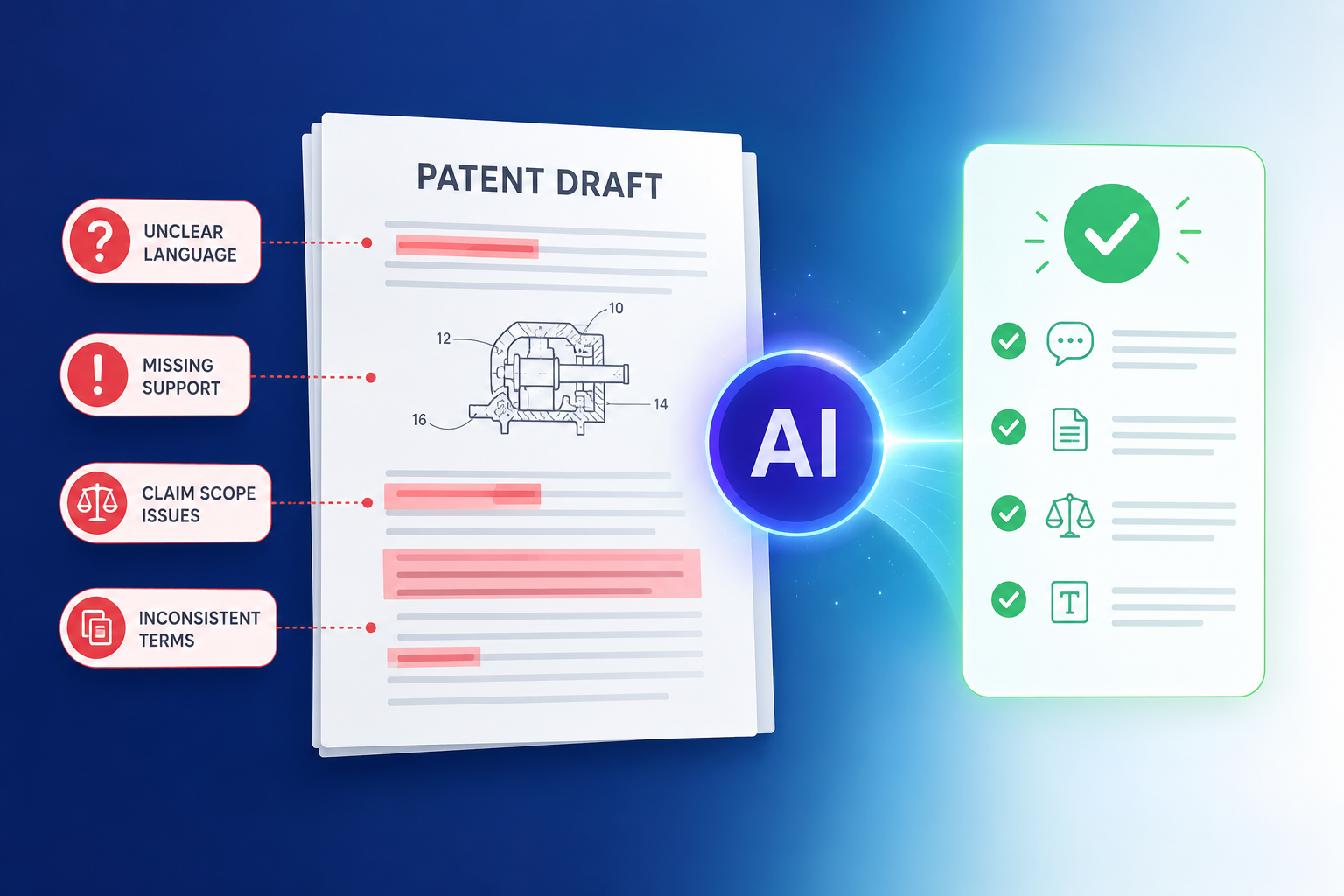
Common Patent Drafting Errors AI Can Catch Fast
Discover common patent drafting errors AI can catch fast, from claim issues to figure mistakes, before they slow down filing.
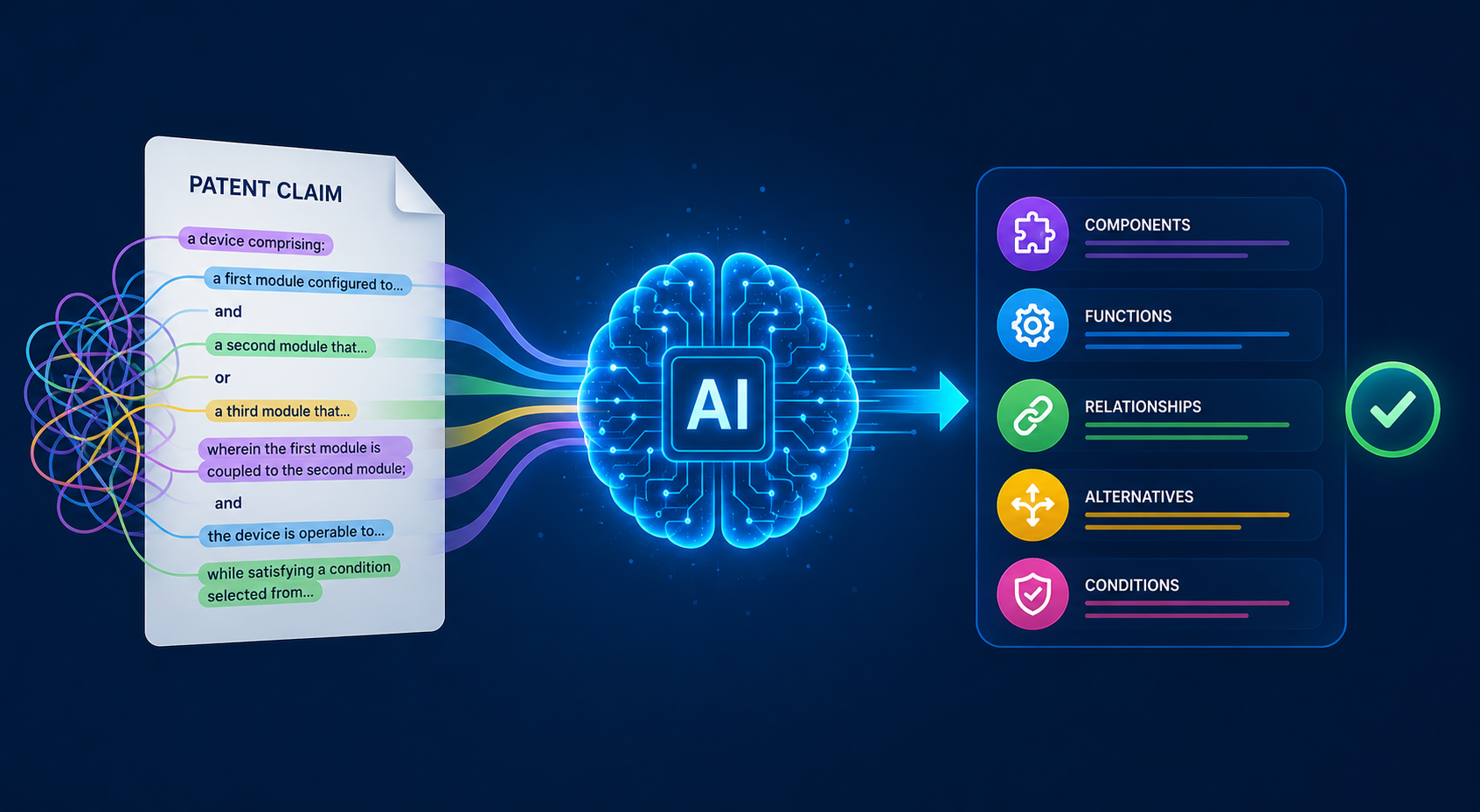
How AI Handles Complex Multi-Limitation Patent Claims
Learn how AI helps break down complex patent claims, spot key limits, and support stronger patent work with faster, smarter review.
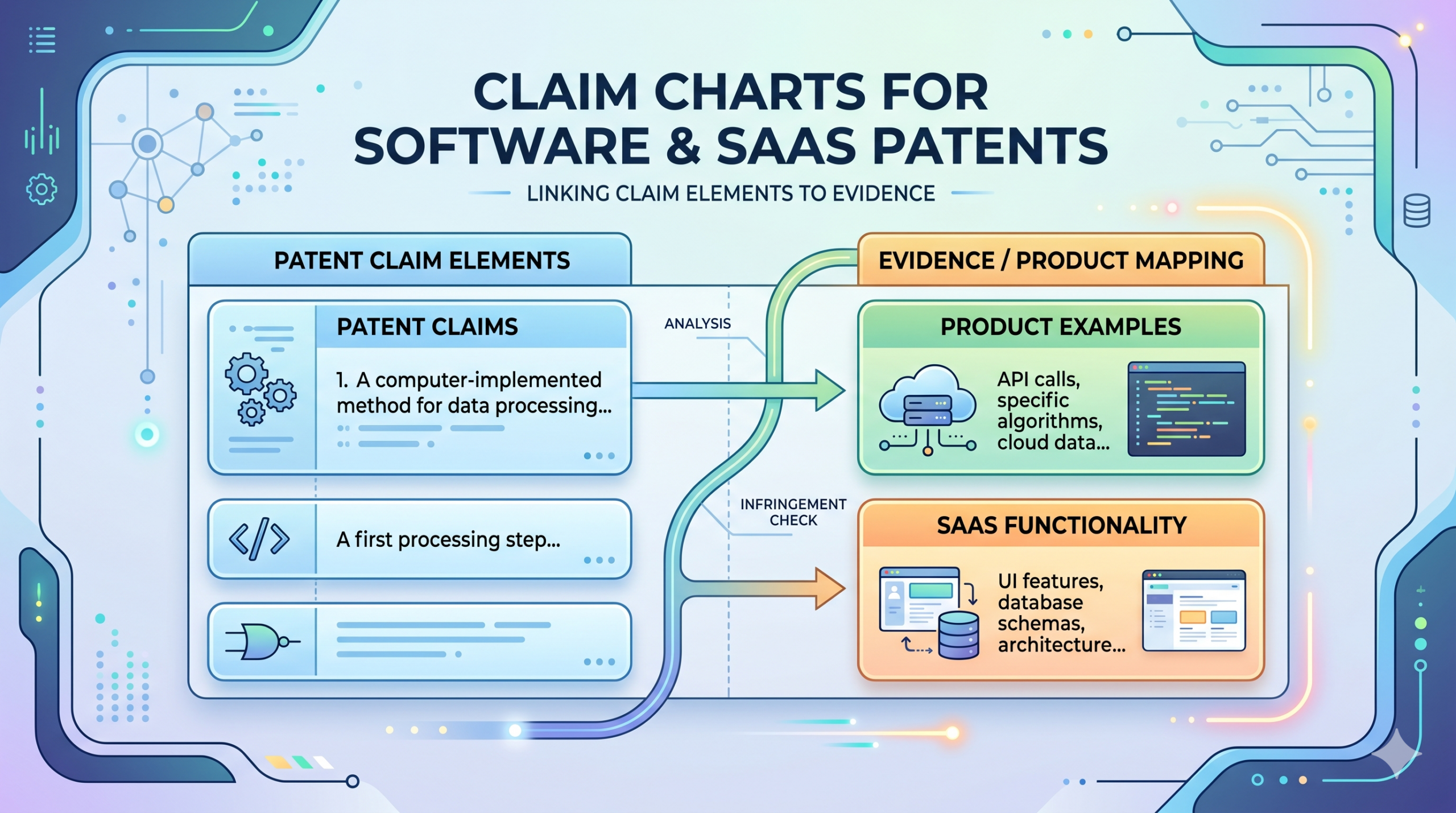
Claim Charts for Software and SaaS Patents
See how claim charts help software and SaaS founders map features to patent claims, prove value, and protect what makes their product unique.
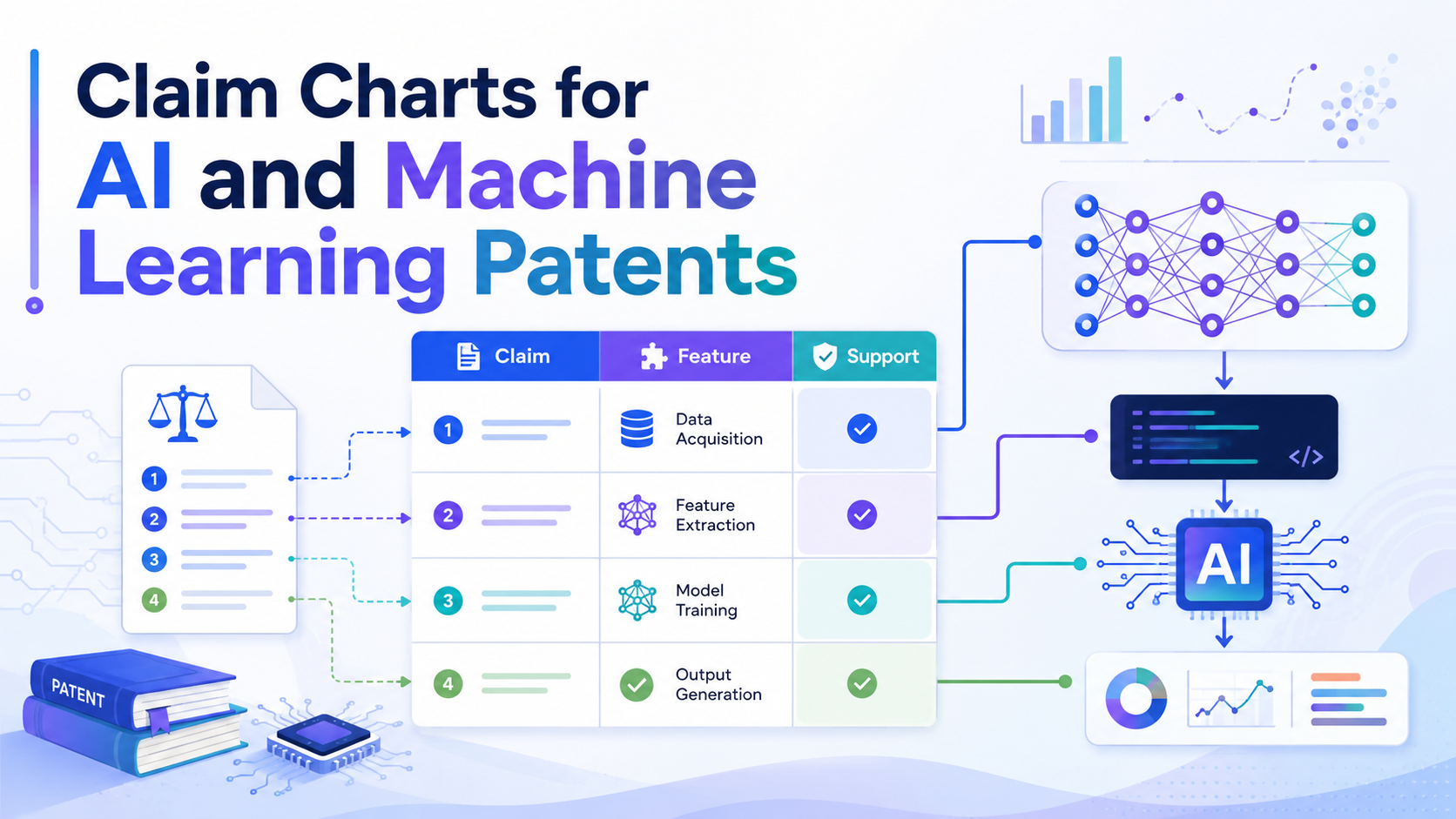
Claim Charts for AI and Machine Learning Patents
Learn how claim charts help AI and machine learning teams explain inventions, support patent claims, and protect core models and systems.
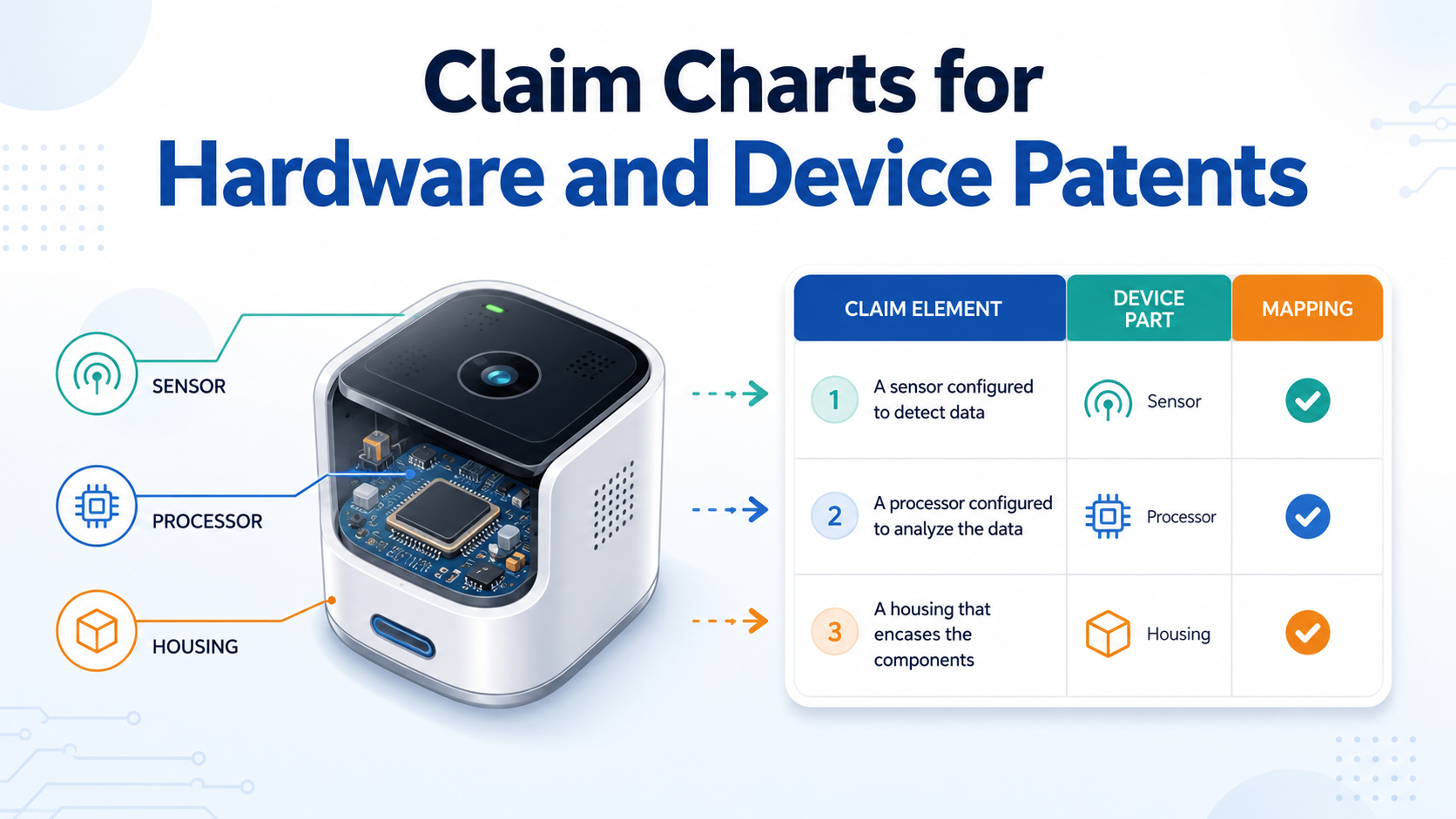
Claim Charts for Hardware and Device Patents
Discover how claim charts help hardware founders connect device features to patent claims, strengthen protection, and support licensing.
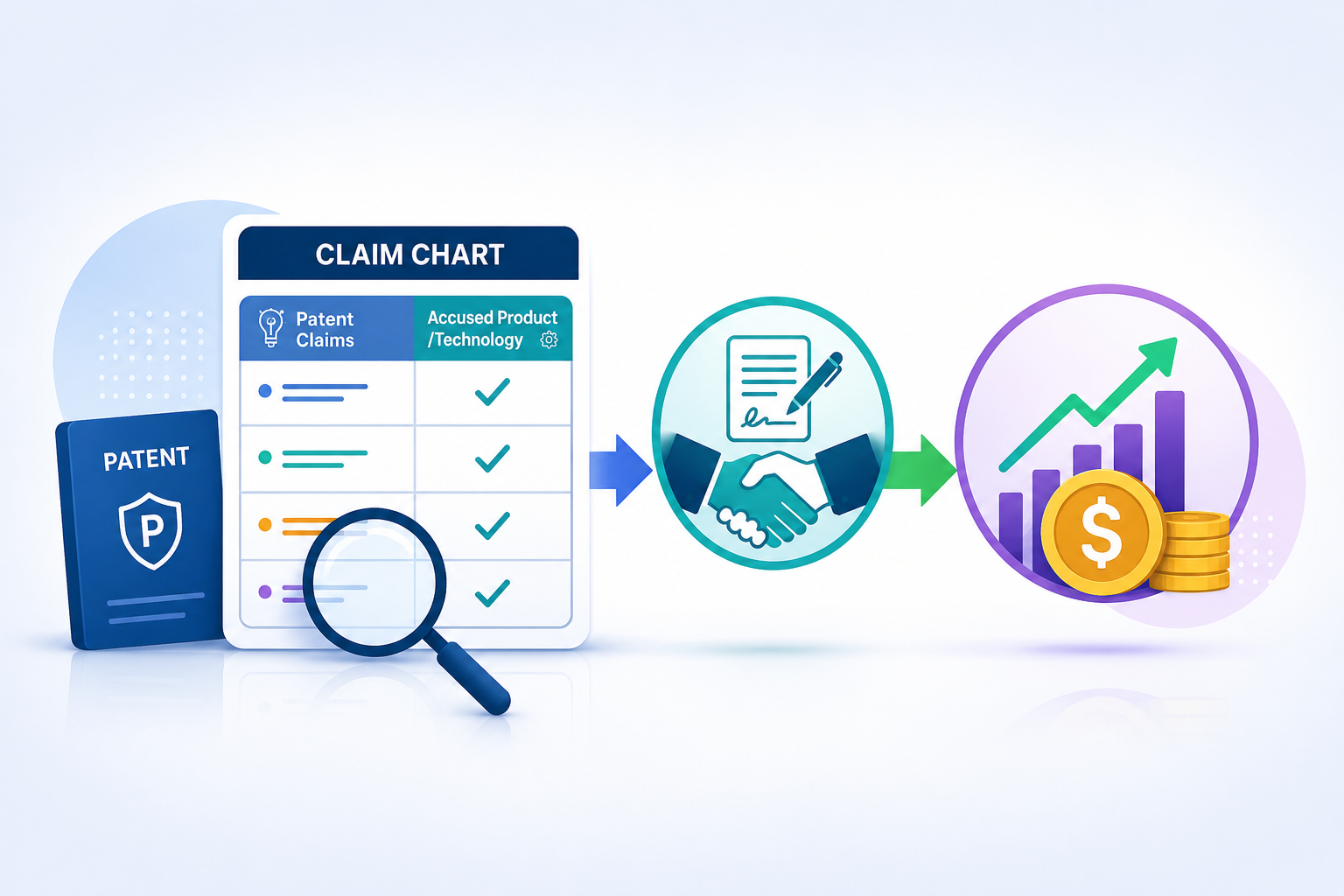
Using Claim Charts for Licensing and Patent Monetization
Learn how claim charts help turn patents into business assets by showing value and making patent monetization easier.
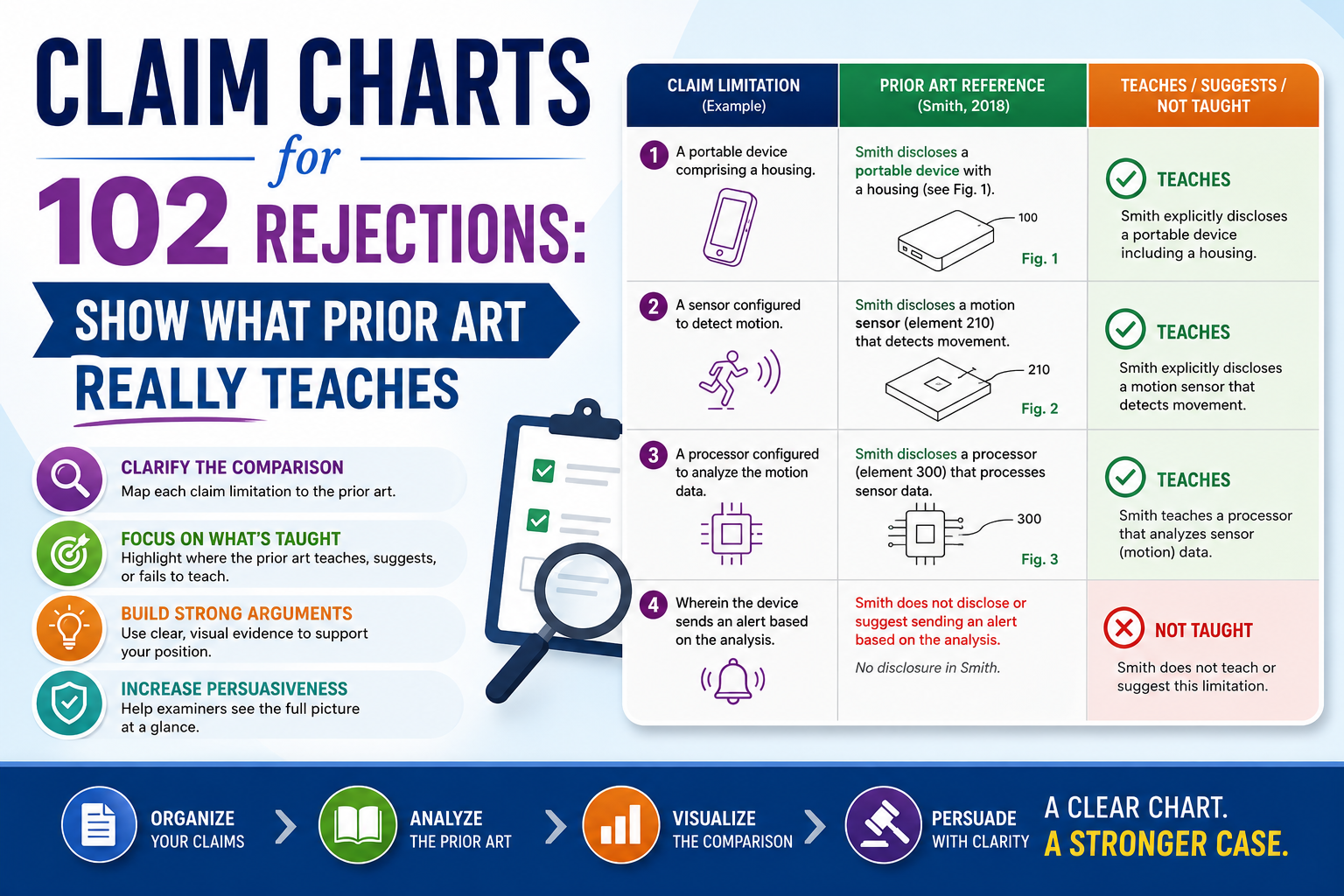
Claim Charts for 102 Rejections: Show What Prior Art Really Teaches
Learn how claim charts help analyze 102 rejections by clearly mapping patent claims to prior art references and identifying.
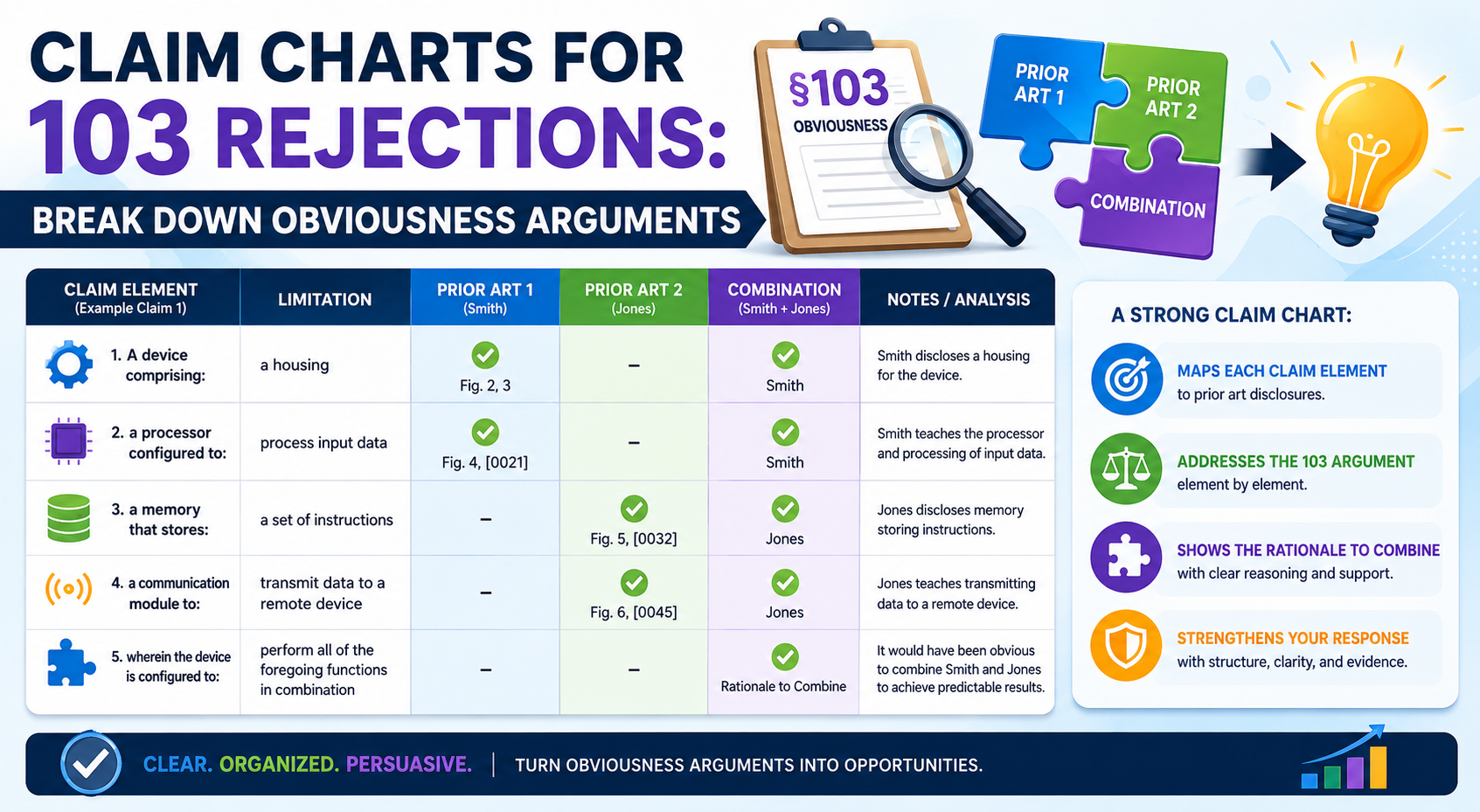
Claim Charts for 103 Rejections: Break Down Obviousness Arguments
Discover how claim charts simplify 103 obviousness rejections by organizing references, exposing gaps in examiner reasoning, and strengthening
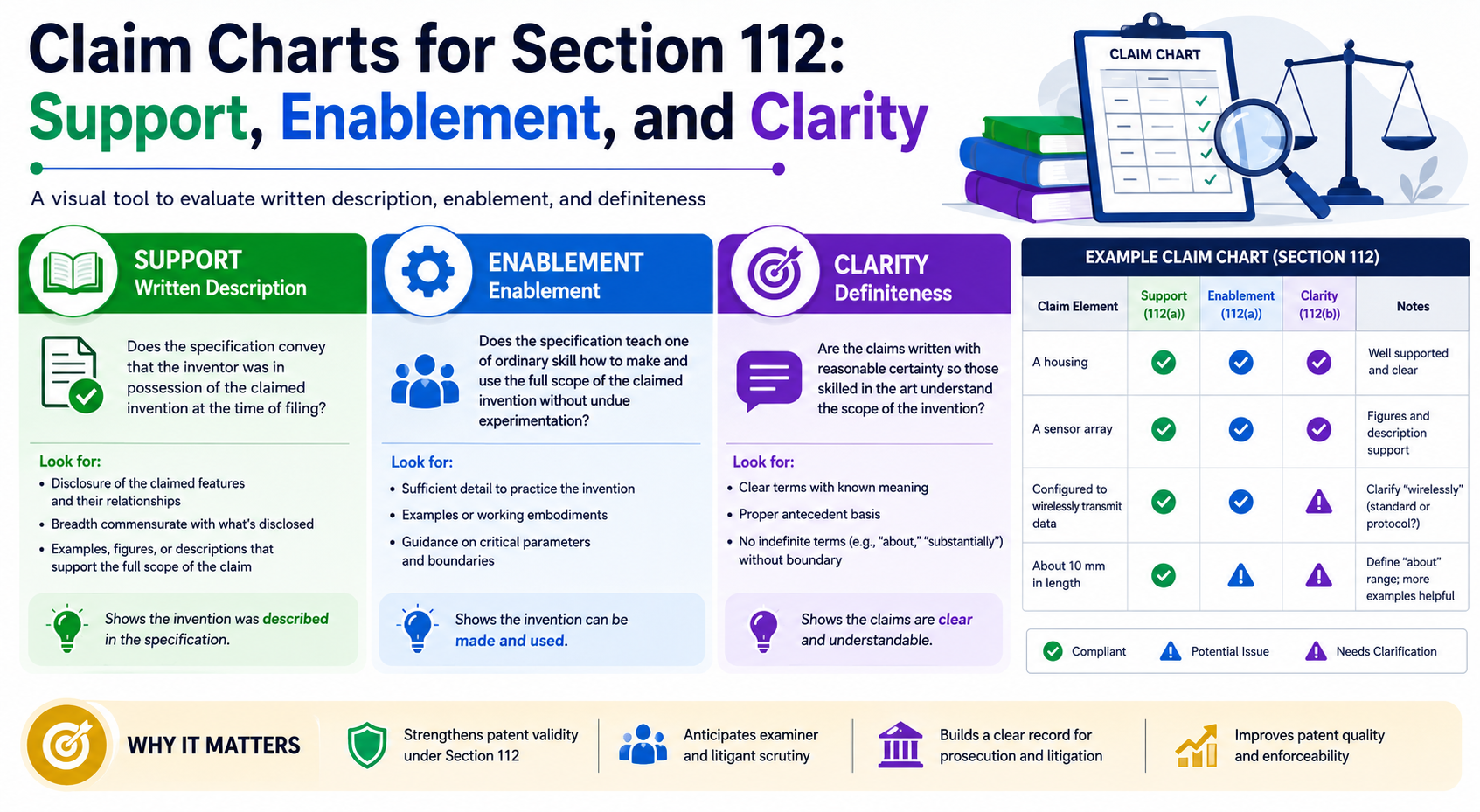
Claim Charts for Section 112: Support, Enablement, and Clarity
See how claim charts help evaluate written support, enablement, and claim clarity issues under Section 112 with greater accuracy.
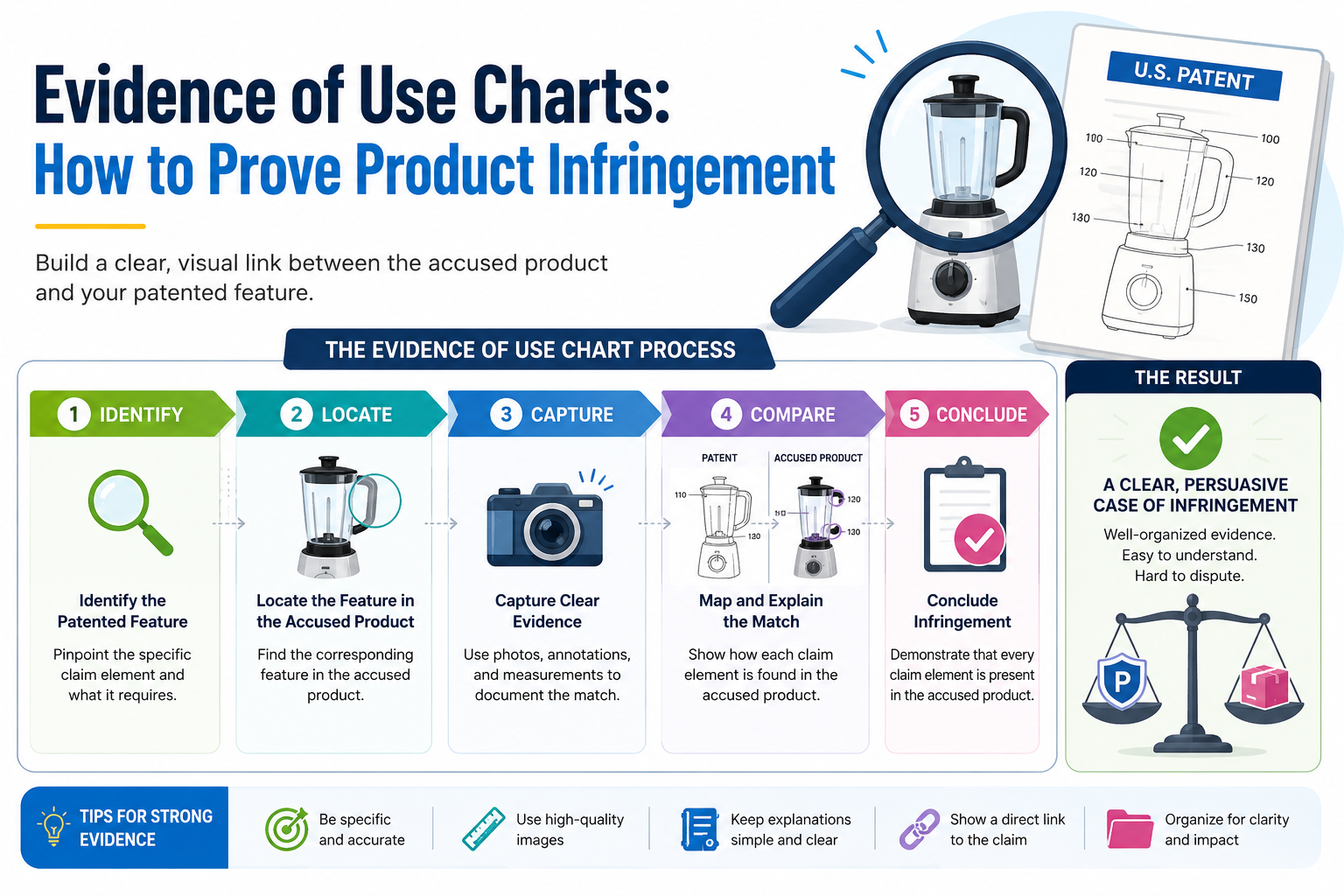
Evidence of Use Charts: How to Prove Product Infringement
Learn how evidence of use charts connect product features to patent claims, helping build stronger infringement and licensing cases.
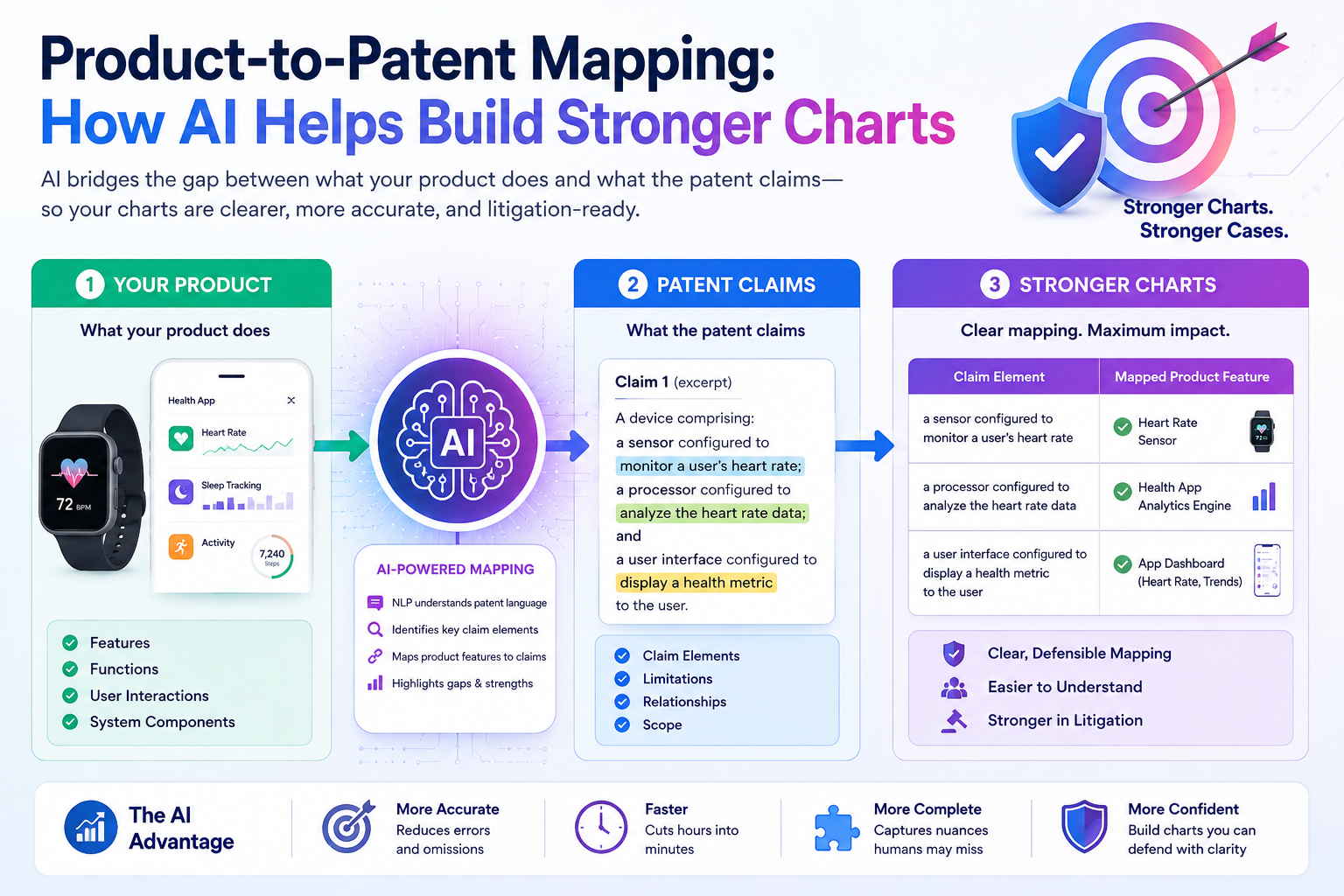
Product-to-Patent Mapping: How AI Helps Build Stronger Charts
Explore how AI-powered product-to-patent mapping improves claim chart creation, speeds analysis, and uncovers stronger evidence.
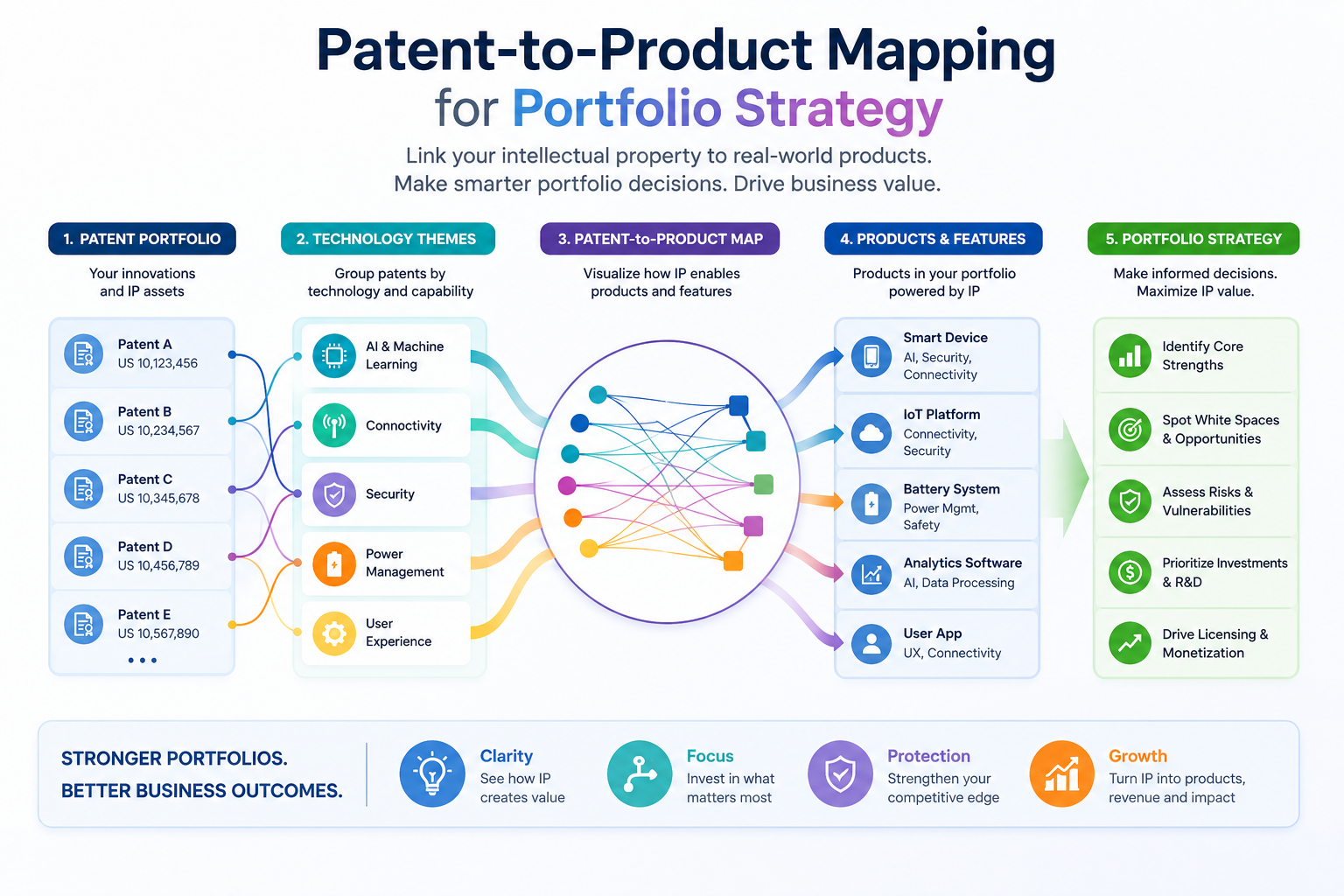
Patent-to-Product Mapping for Portfolio Strategy
Learn how patent-to-product mapping helps identify valuable assets, uncover licensing opportunities, and strengthen IP portfolio decisions.
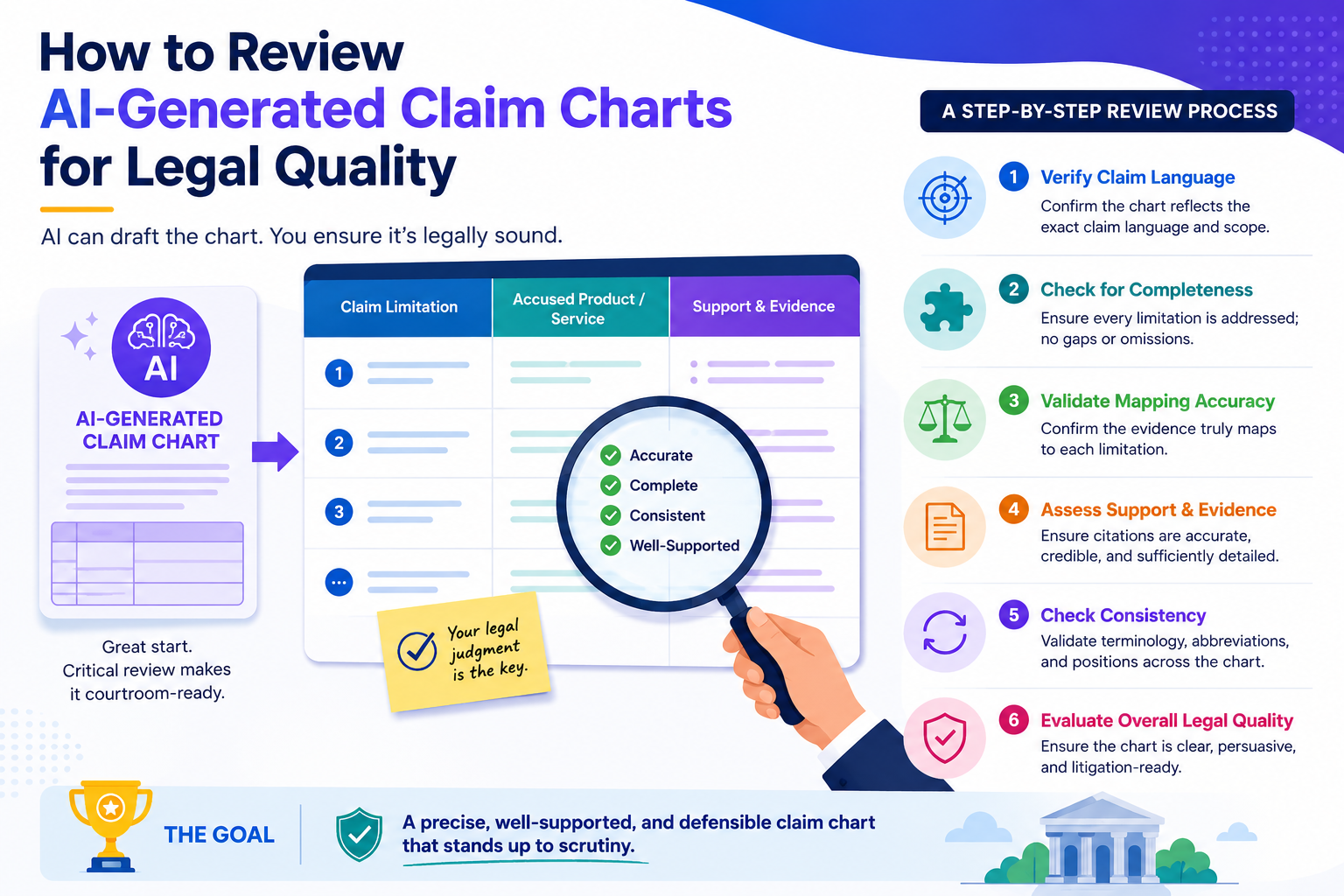
How to Review AI-Generated Claim Charts for Legal Quality
Discover key steps for reviewing AI-generated claim charts to improve accuracy, completeness, and legal defensibility before use.
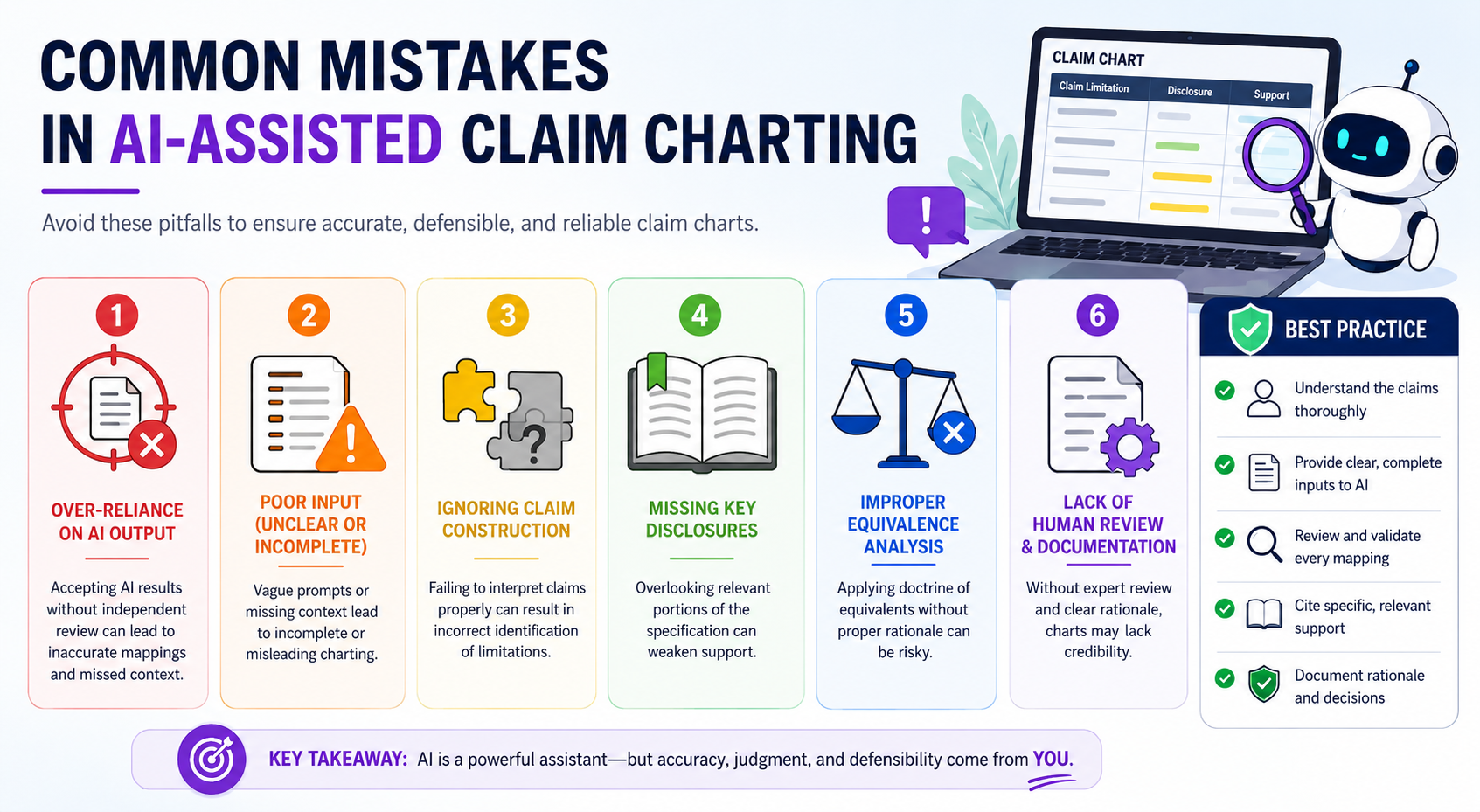
Common Mistakes in AI-Assisted Claim Charting
Avoid common AI claim charting mistakes, including missing evidence, weak mappings, and unsupported conclusions that can weaken results.
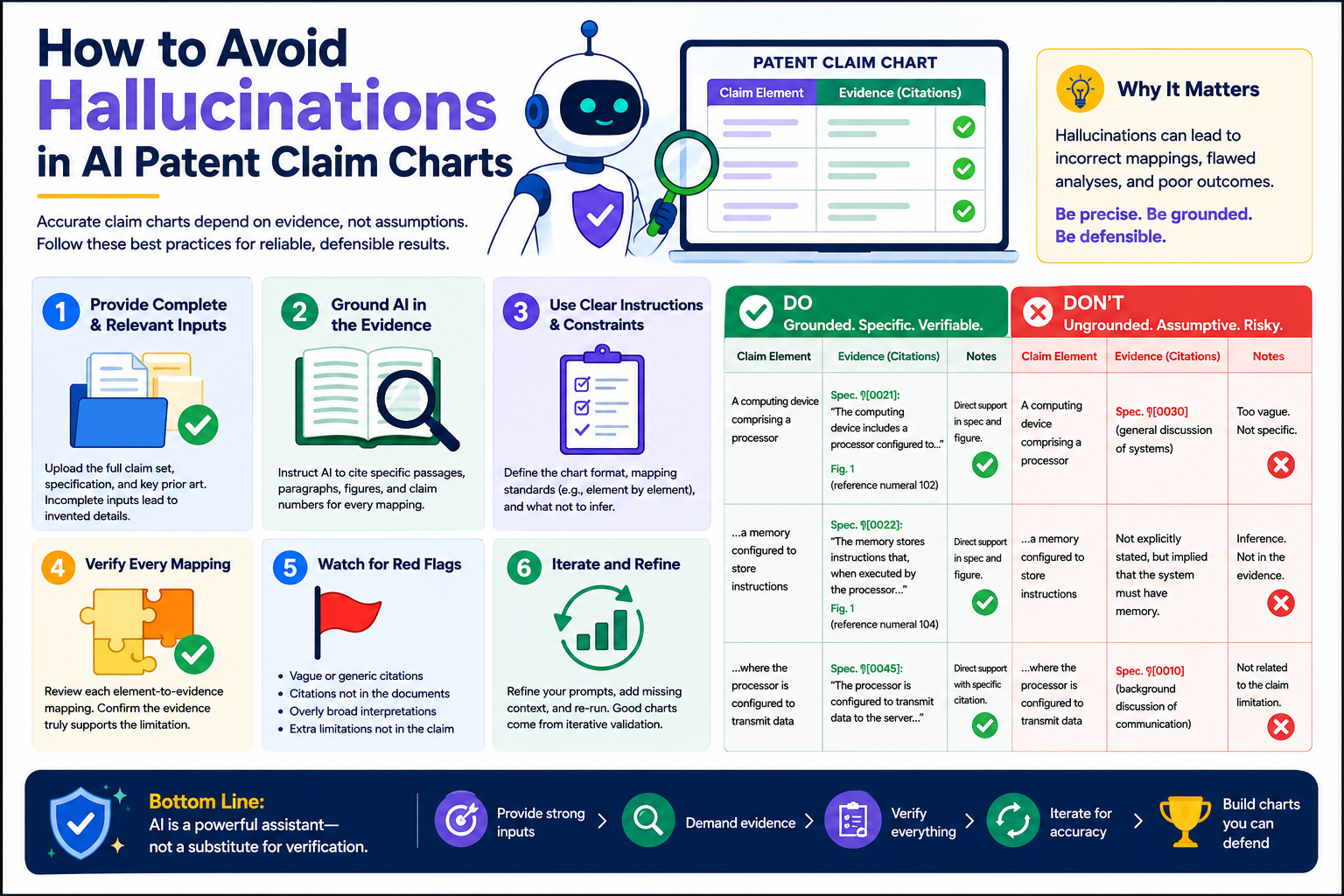
How to Avoid Hallucinations in AI Patent Claim Charts
Learn practical ways to prevent AI hallucinations in patent claim charts and ensure reliable, evidence-based claim analysis.
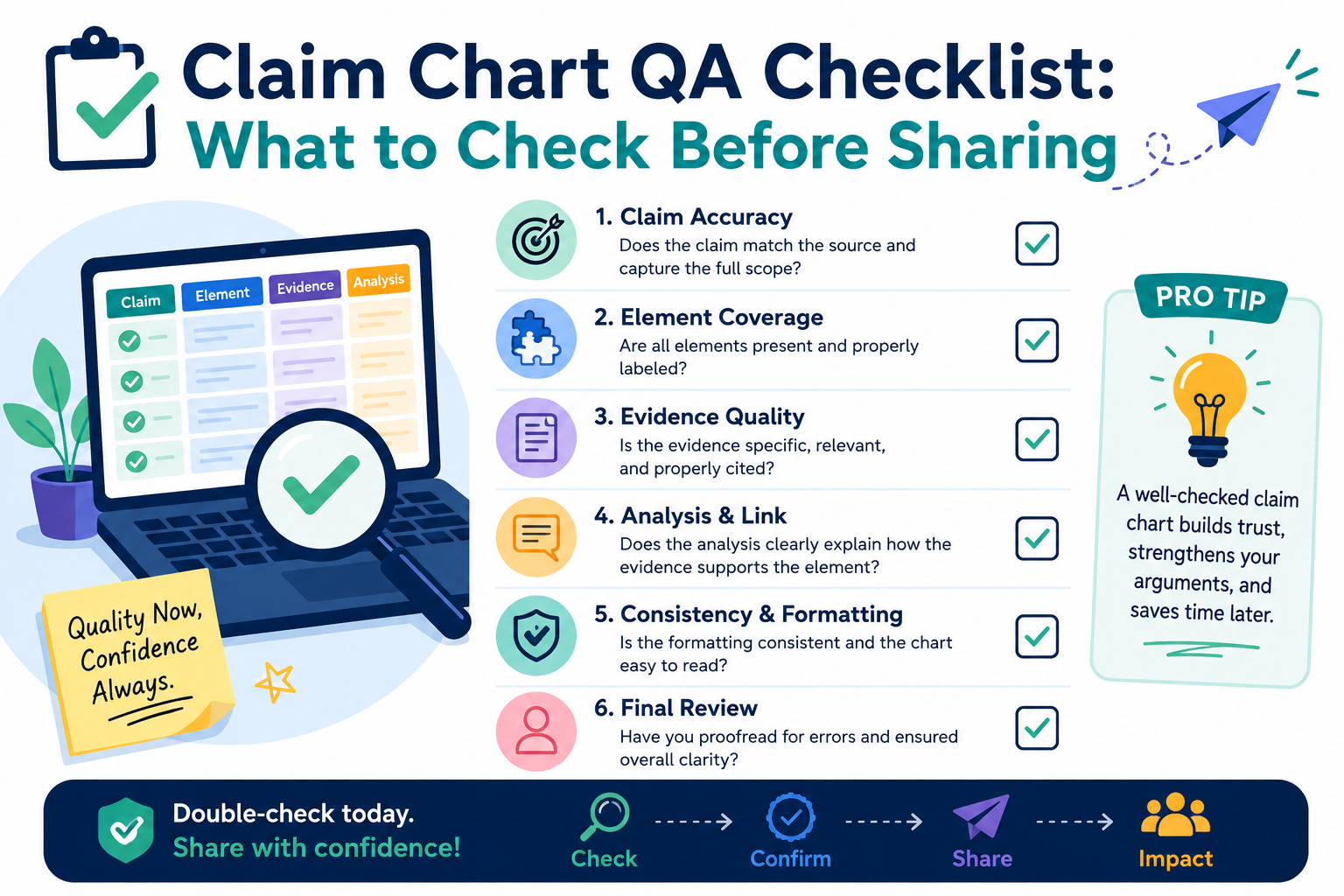
Claim Chart QA Checklist: What to Check Before Sharing
Use this claim chart QA checklist to verify accuracy, evidence support, claim coverage, and quality before sharing with stakeholders.
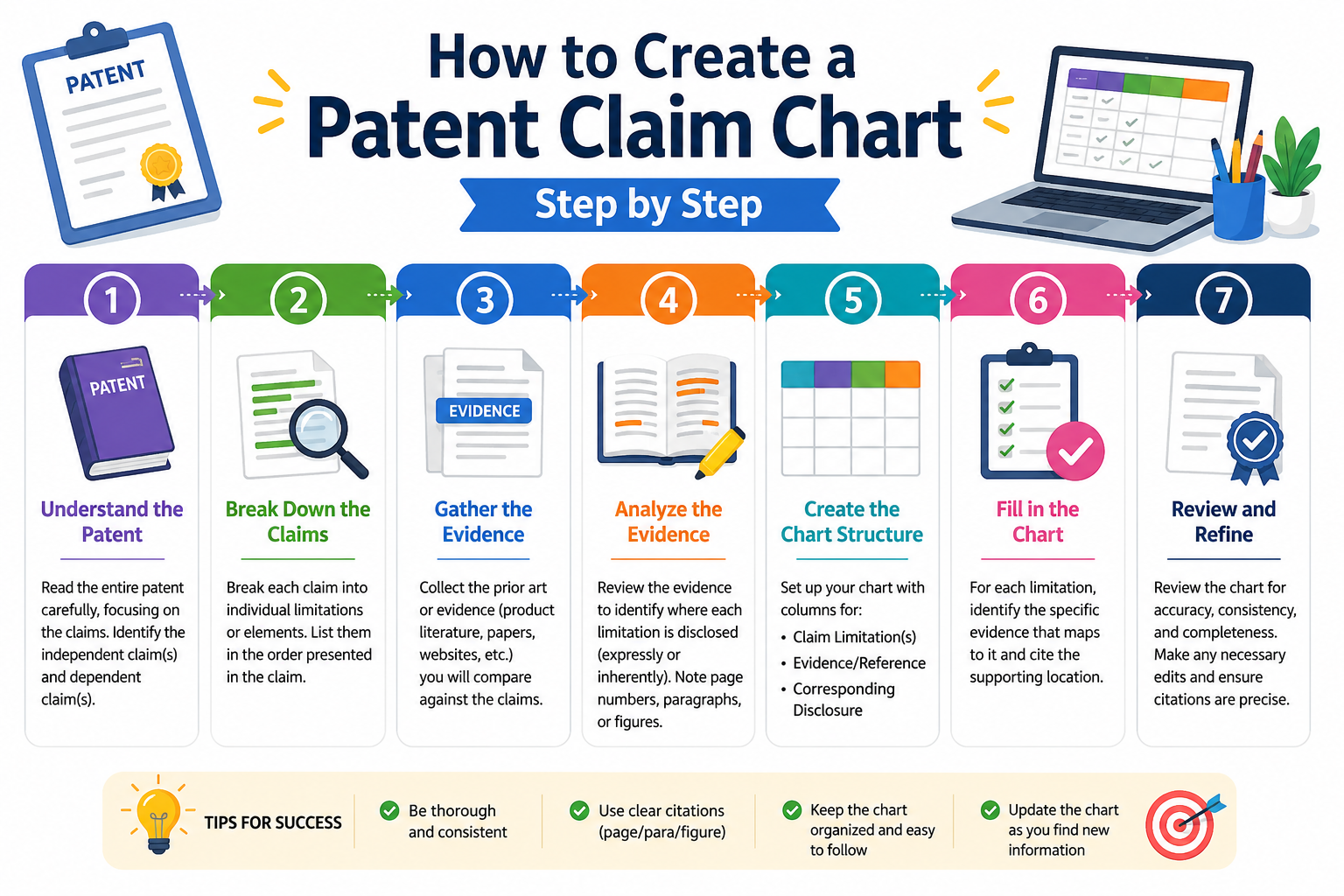
How to Create a Patent Claim Chart Step by Step
Learn how to create a patent claim chart step by step so you can clearly map claims, spot gaps, and build stronger patent protection.
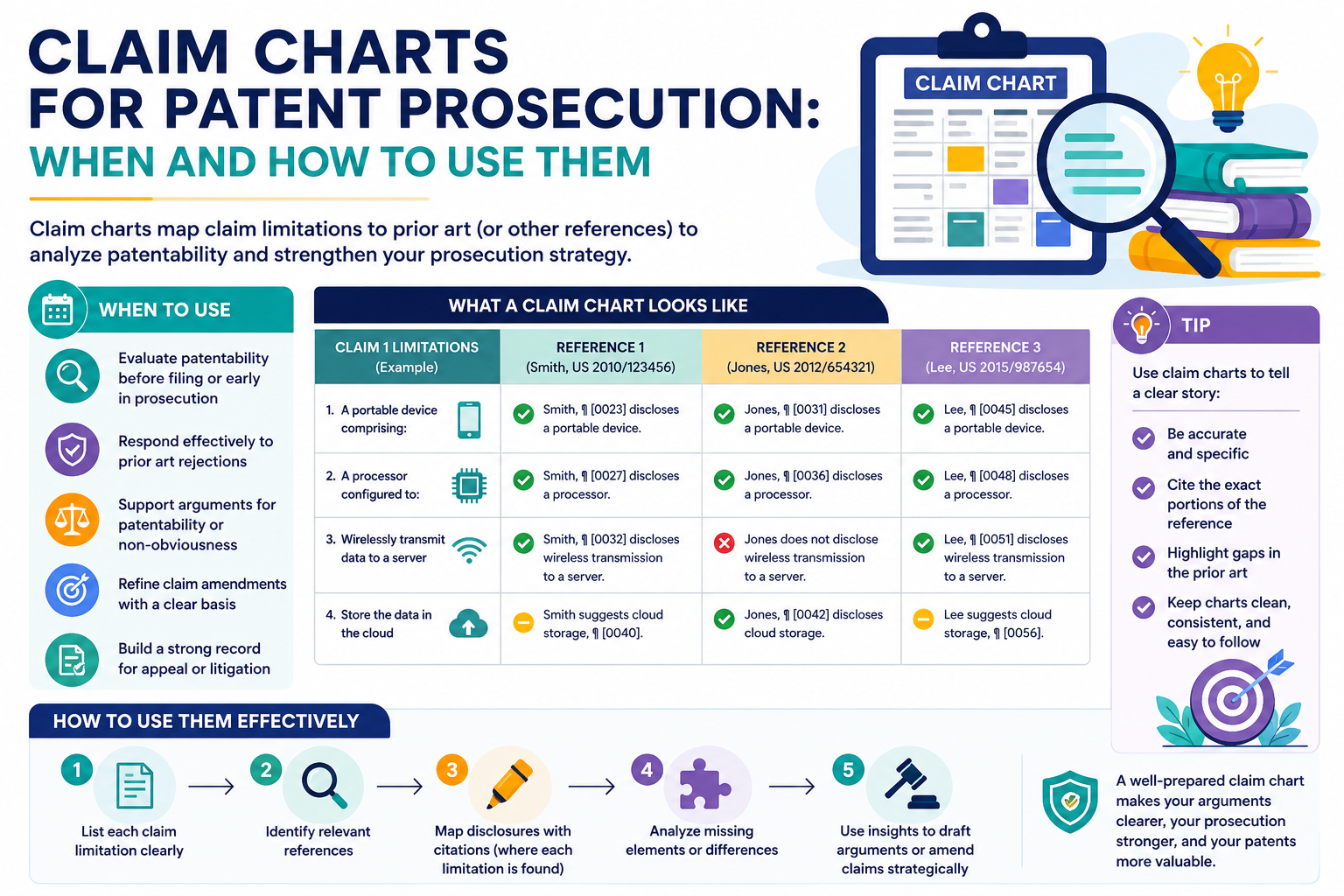
Claim Charts for Patent Prosecution: When and How to Use Them
See when and how to use claim charts in patent prosecution to explain your invention, support your claims, and respond with more confidence.
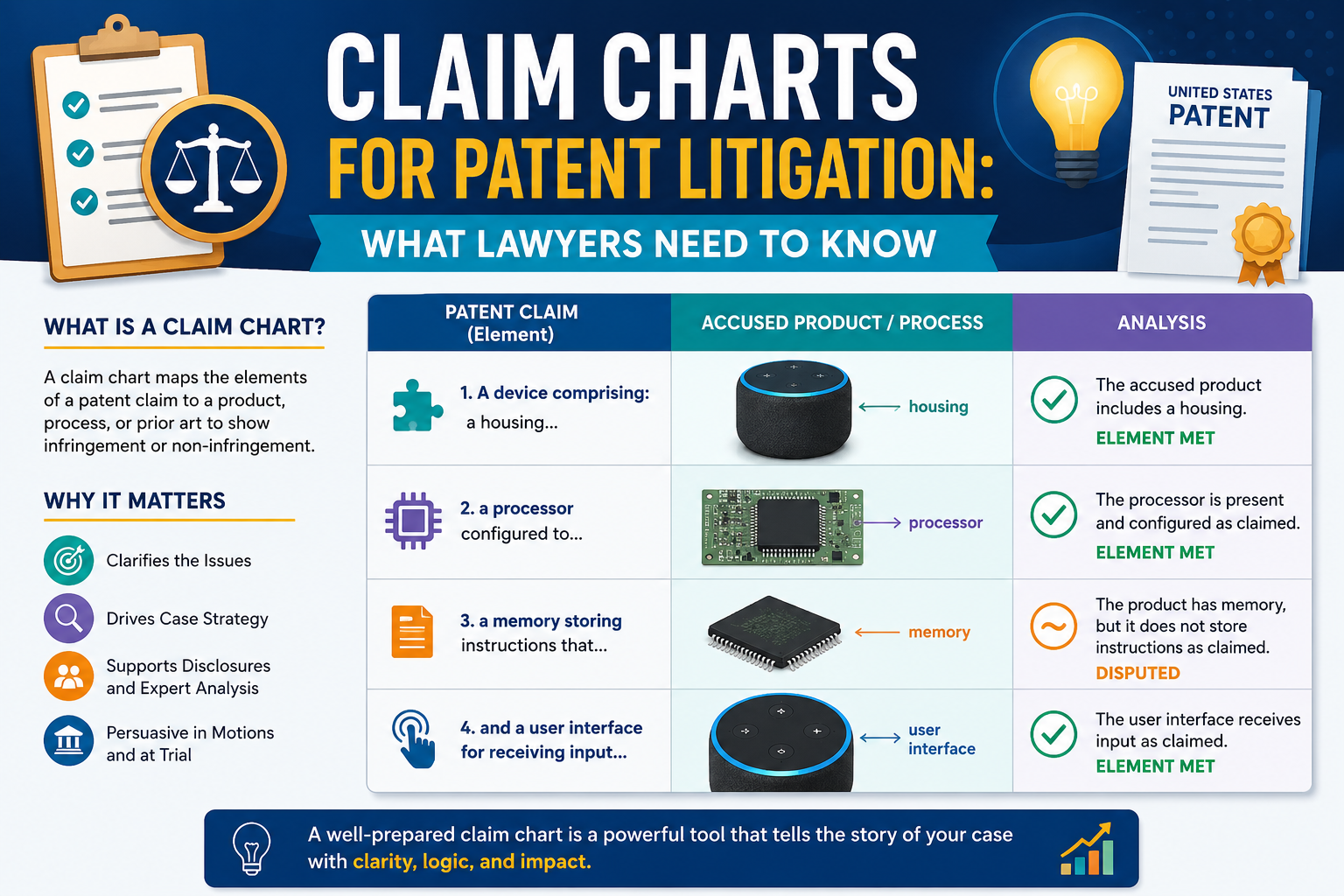
Claim Charts for Patent Litigation: What Lawyers Need to Know
Learn how claim charts help in patent litigation by mapping claims to products, showing infringement, and making complex patent issues easier.
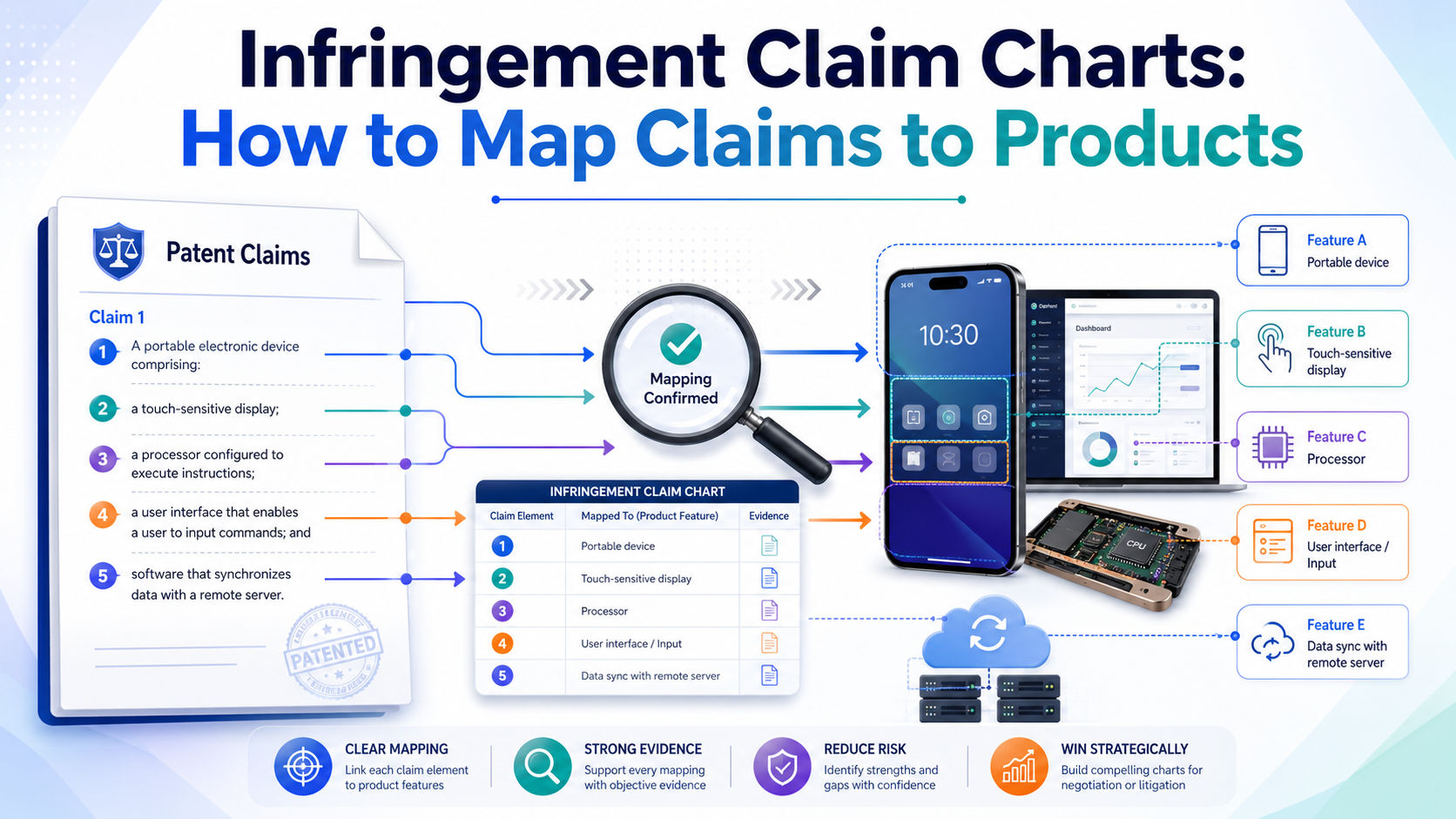
Infringement Claim Charts: How to Map Claims to Products
Discover how infringement claim charts map patent claims to real products so teams can show where each claim element appears with clear evidence.
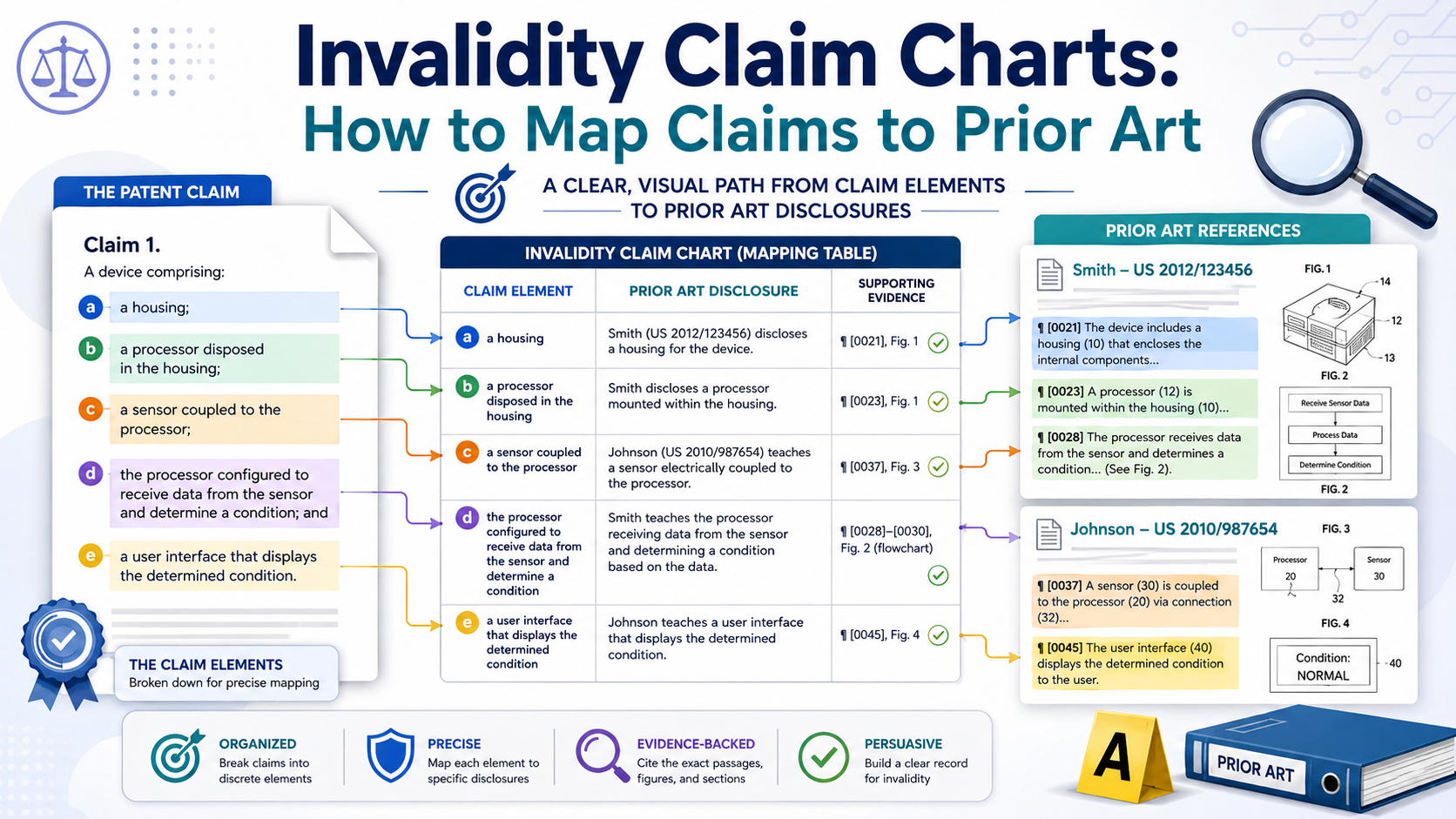
Invalidity Claim Charts: How to Map Claims to Prior Art
Learn how invalidity claim charts compare patent claims to prior art to find weak spots, build stronger arguments, and support smarter IP.
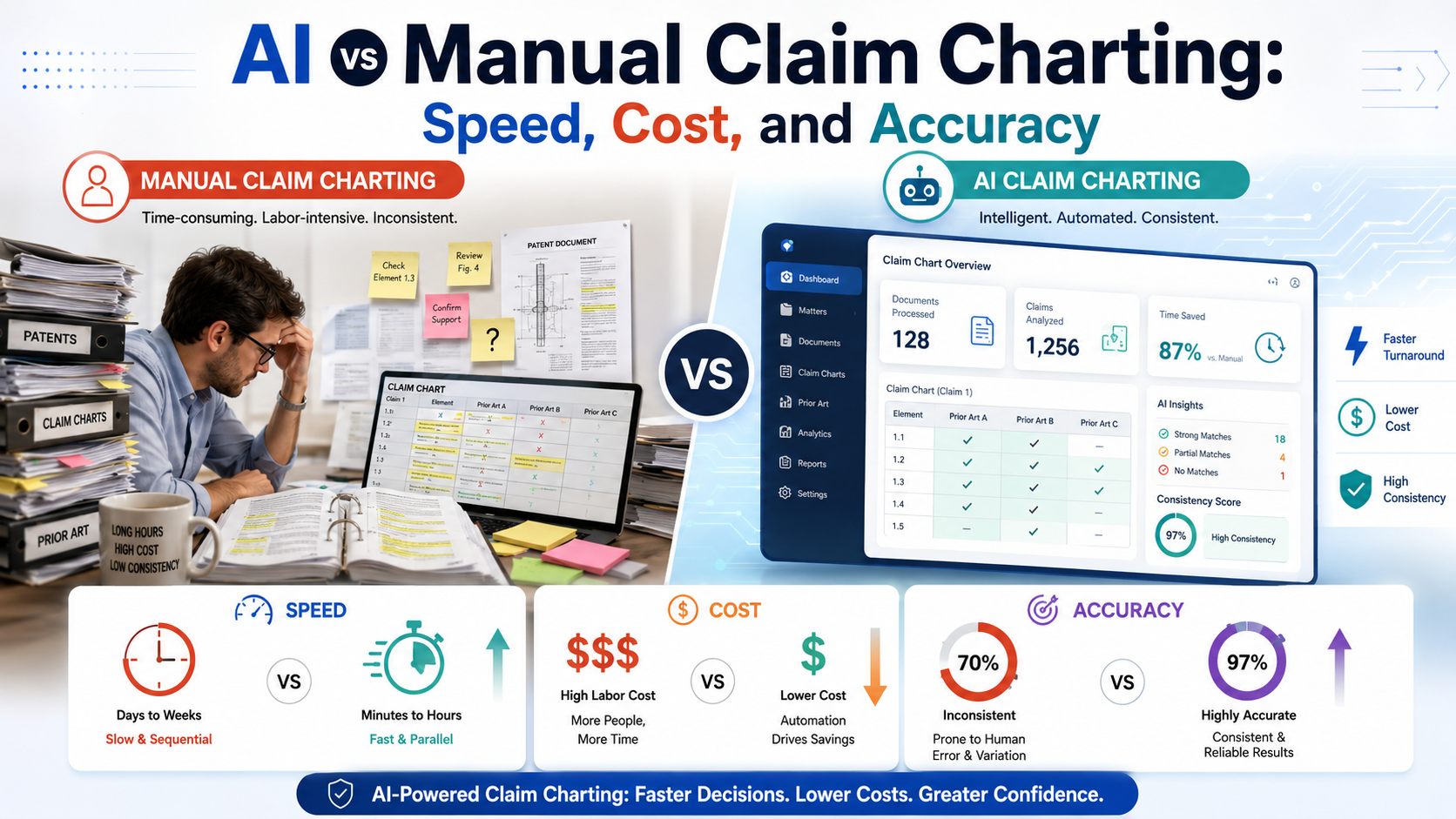
AI vs Manual Claim Charting: Speed, Cost, and Accuracy
Compare AI and manual claim charting for speed, cost, and accuracy so you can choose the best way to create reliable patent claim charts.
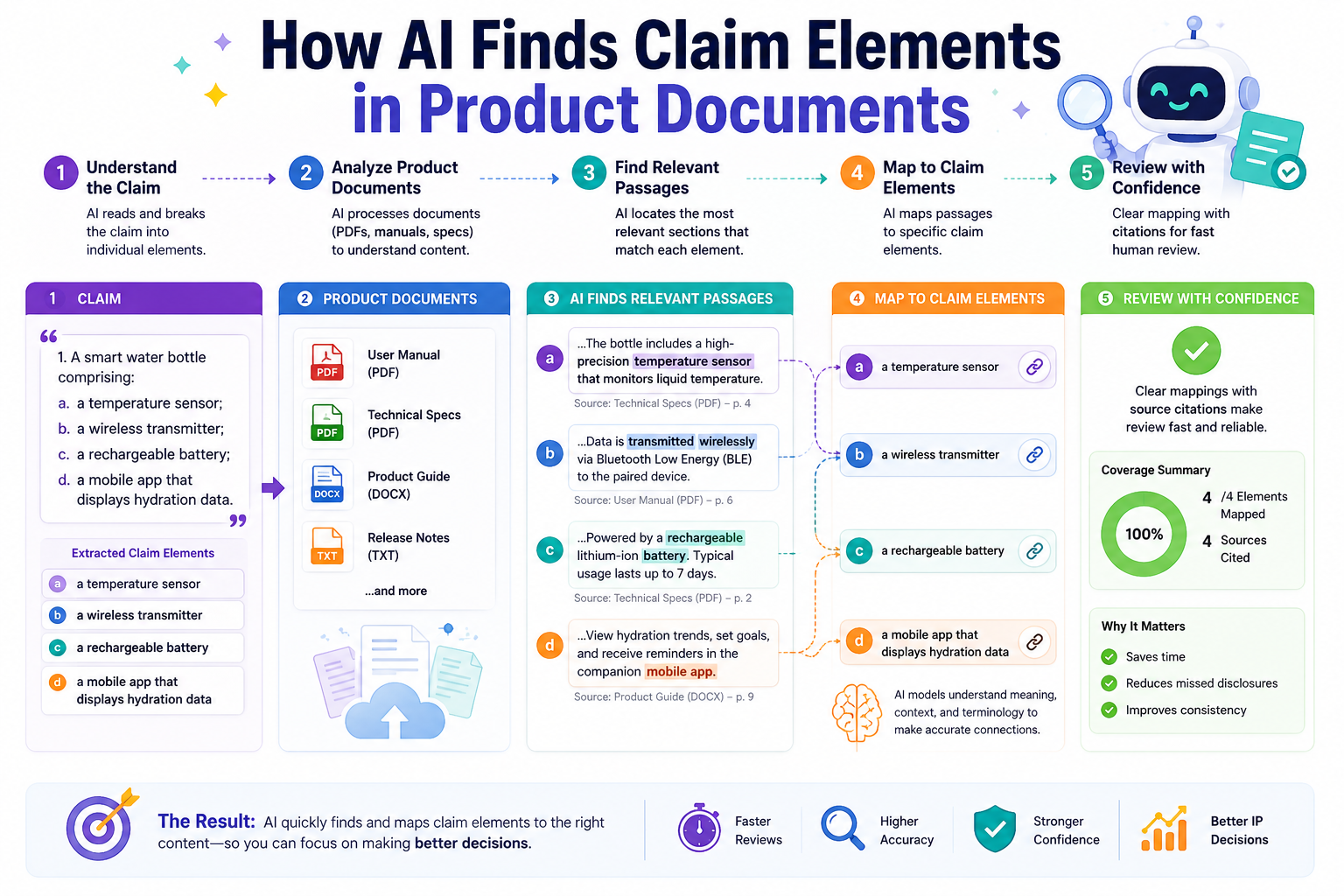
How AI Finds Claim Elements in Product Documents
See how AI finds claim elements in product documents, specs, and manuals to speed up claim charting and help teams review patent evidence.
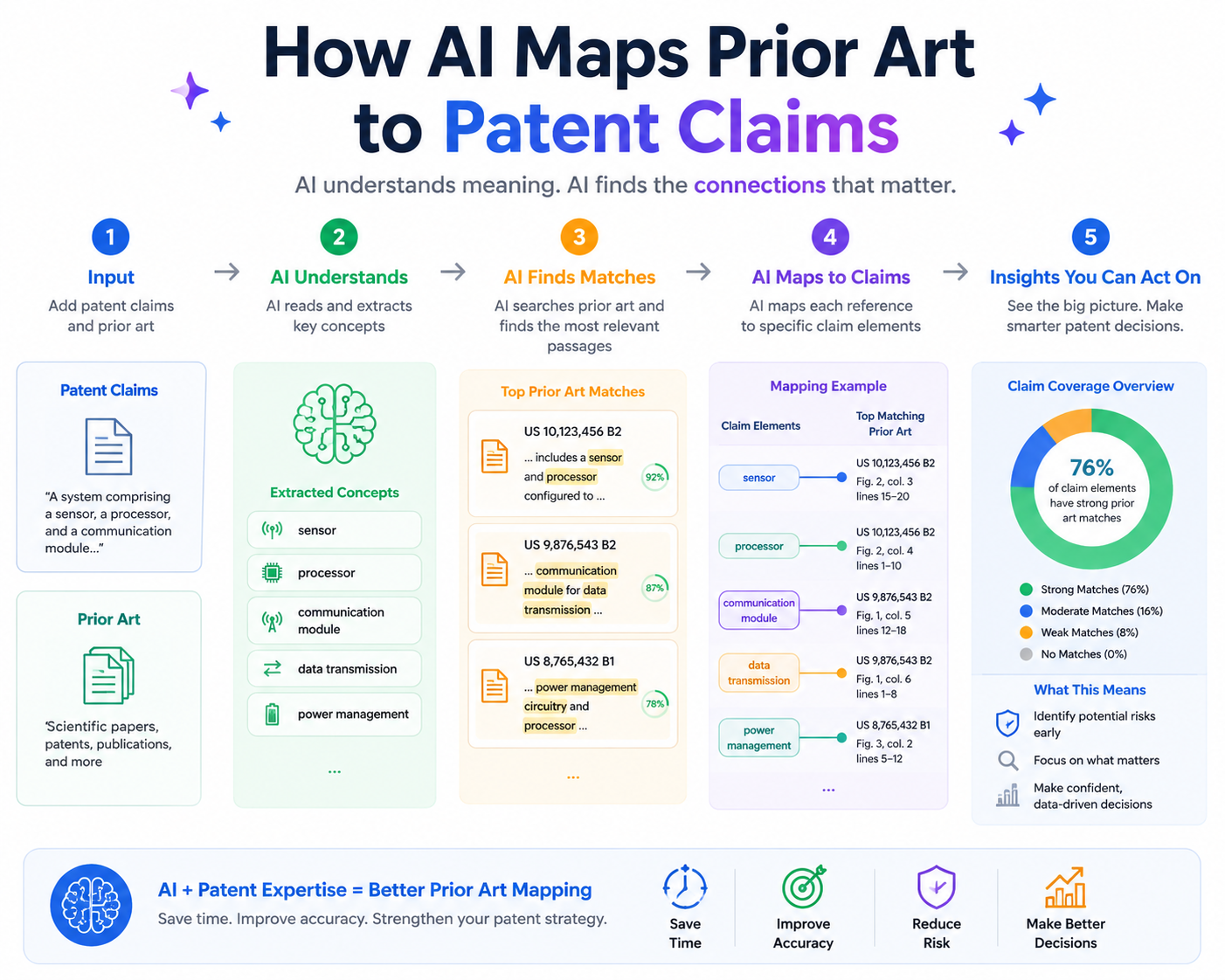
How AI Maps Prior Art to Patent Claims
Learn how AI maps prior art to patent claims by matching claim elements to references, helping teams review validity faster and with more confidence.
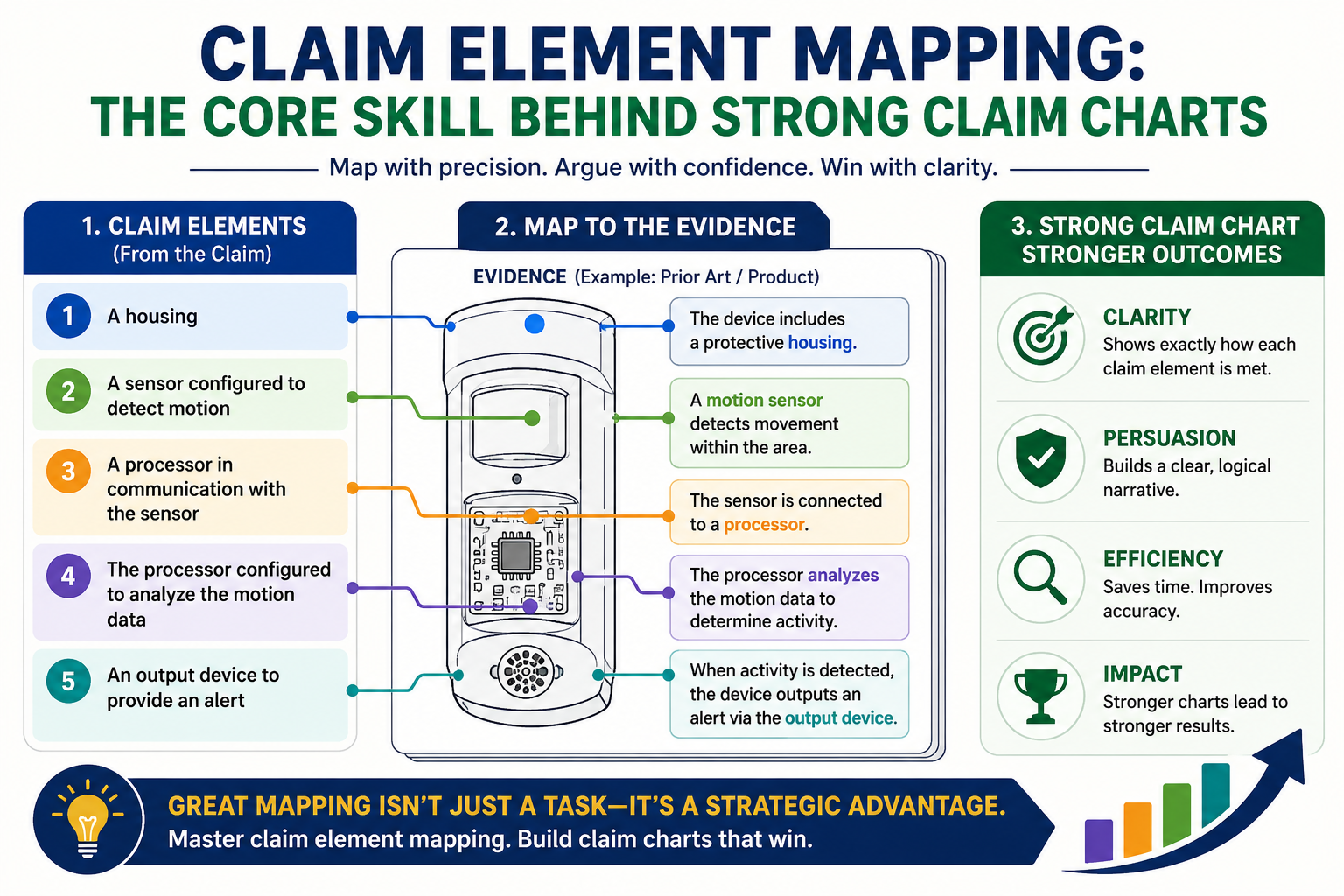
Claim Element Mapping: The Core Skill Behind Strong Claim Charts
Learn why claim element mapping is the key skill behind strong claim charts and how it helps connect patent claims to products or prior art.
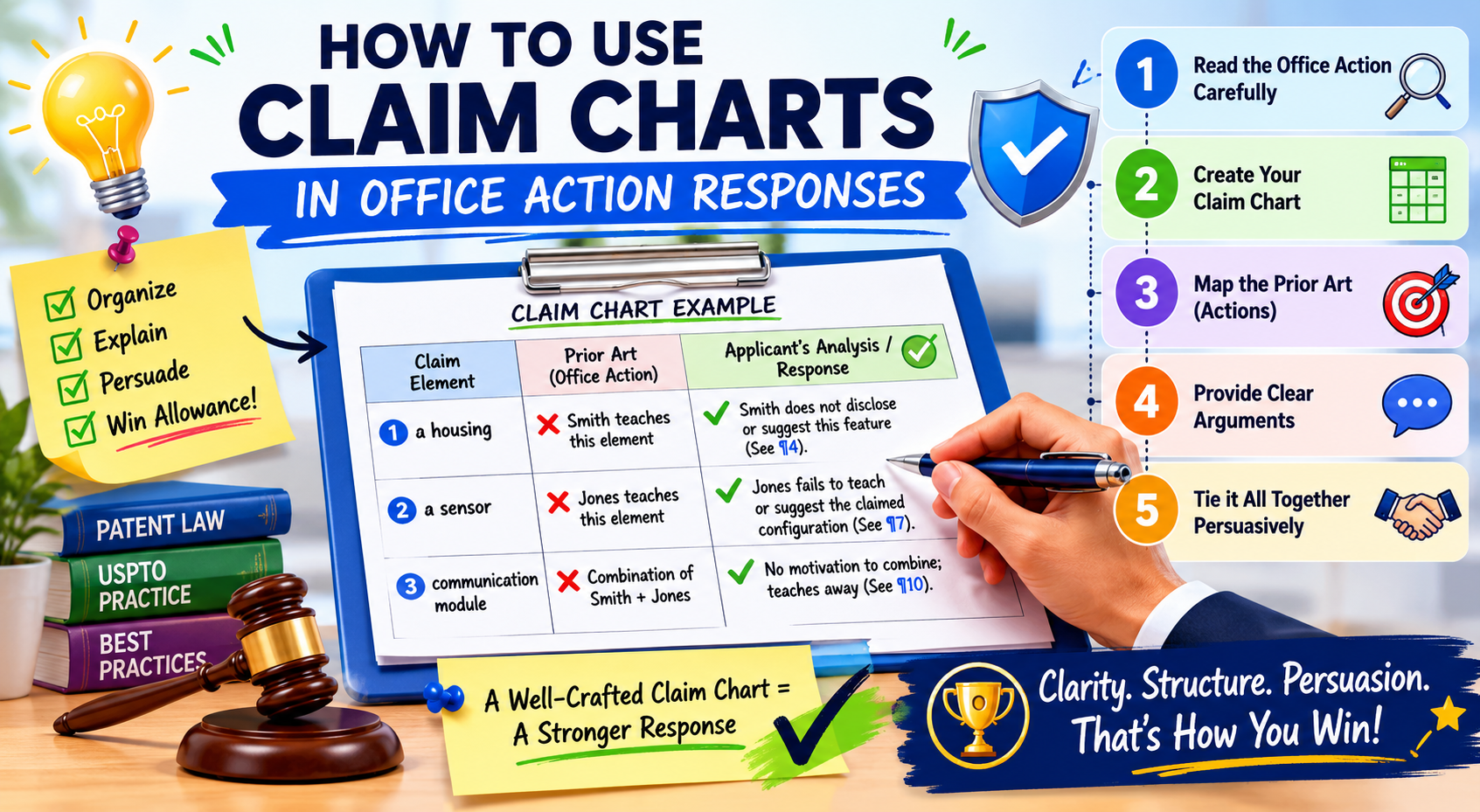
How to Use Claim Charts in Office Action Responses
Learn how to use claim charts in Office Action responses to explain claim support, compare prior art, and make patent arguments clearer.
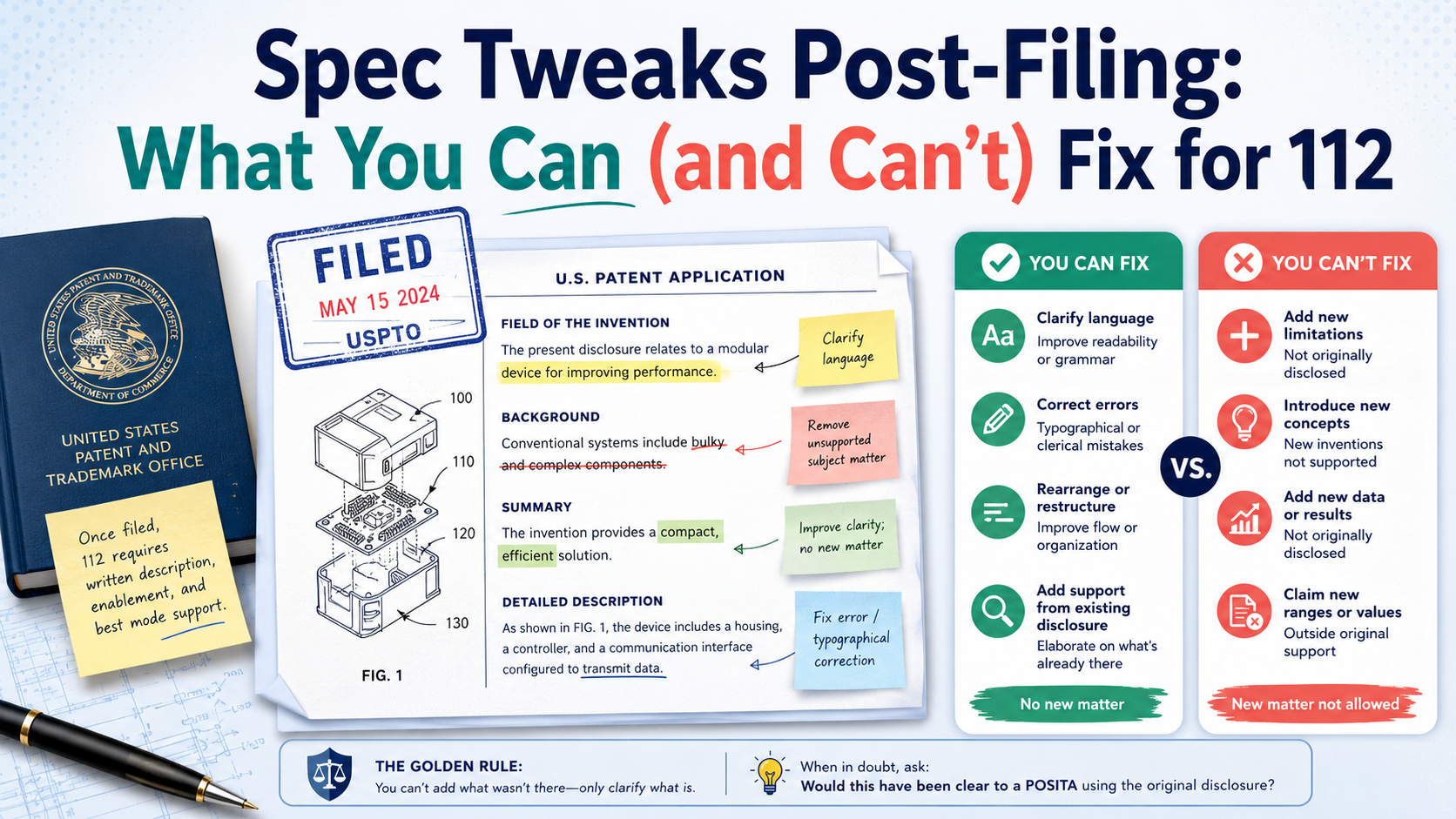
Spec Tweaks Post-Filing: What You Can (and Can’t) Fix for 112
Learn what patent spec edits you can make after filing to fix 112 issues—and what changes may create risk during prosecution.
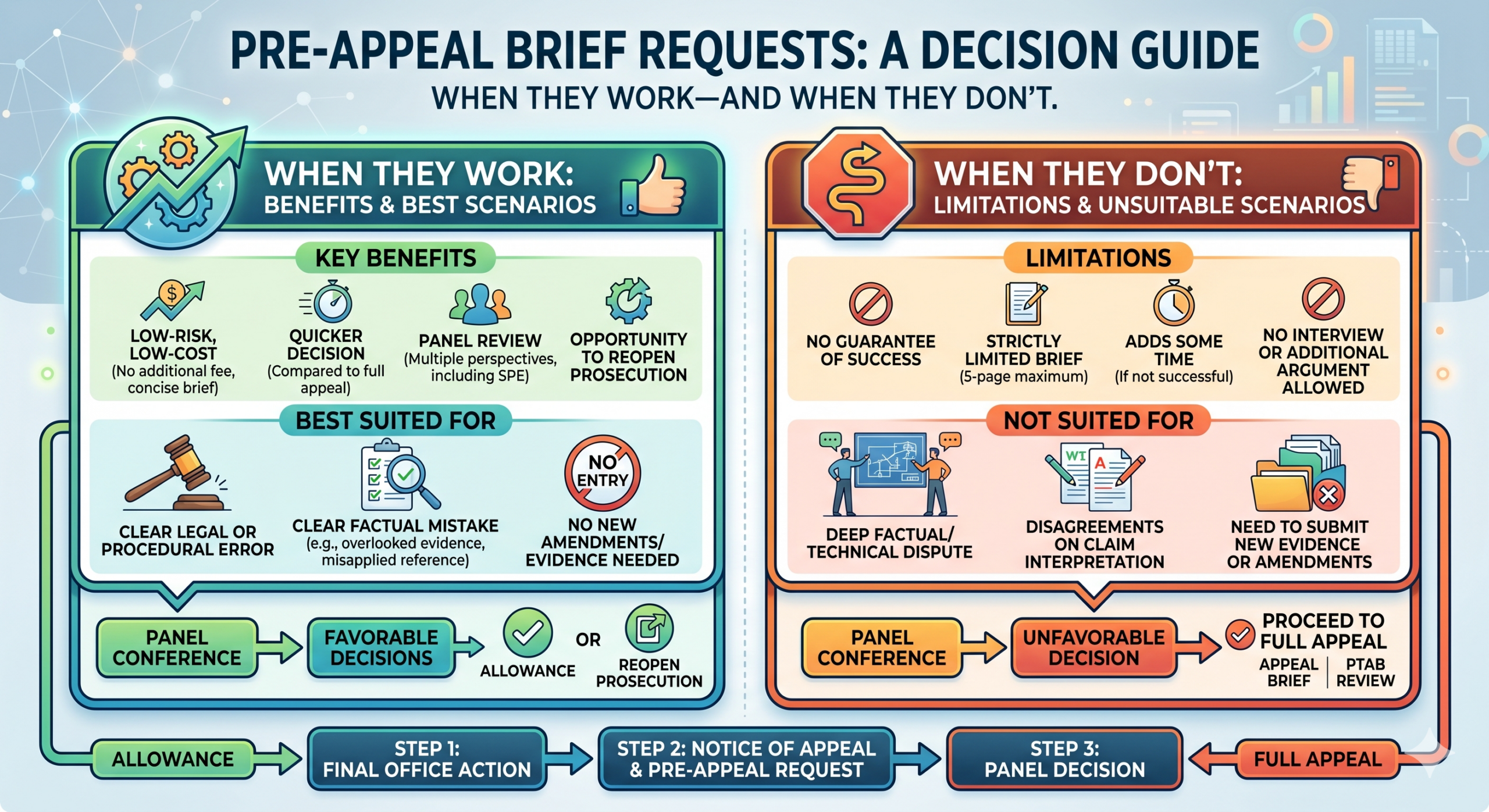
Pre-Appeal Brief Requests: When They Work—and When They Don’t
See when pre-appeal brief requests can help reverse rejections, save time, and avoid full appeal—and when they may fall short.
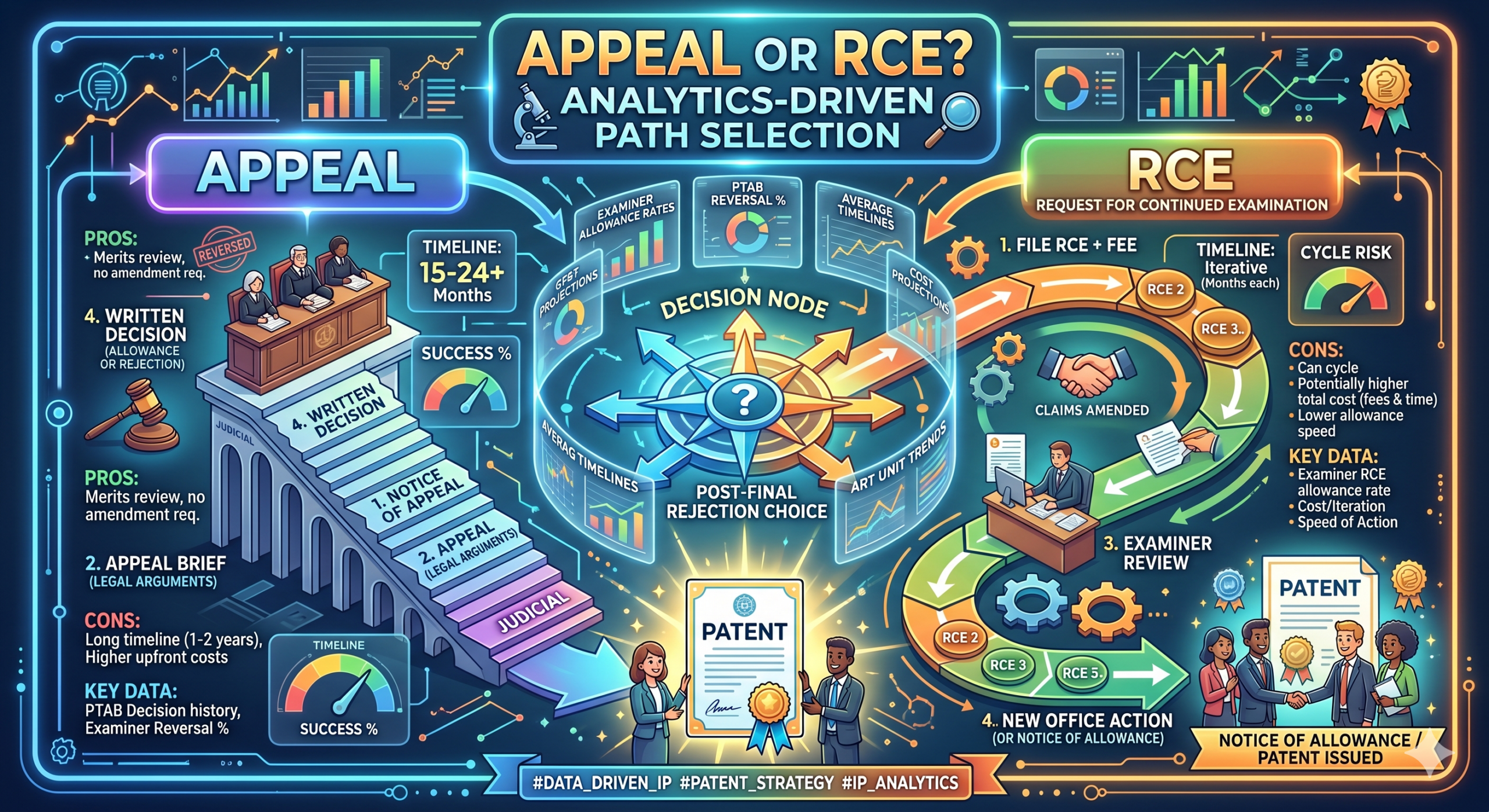
Appeal or RCE? Analytics-Driven Path Selection
Use patent prosecution analytics to choose between appeal and RCE, reduce delay, and move smarter toward allowance.
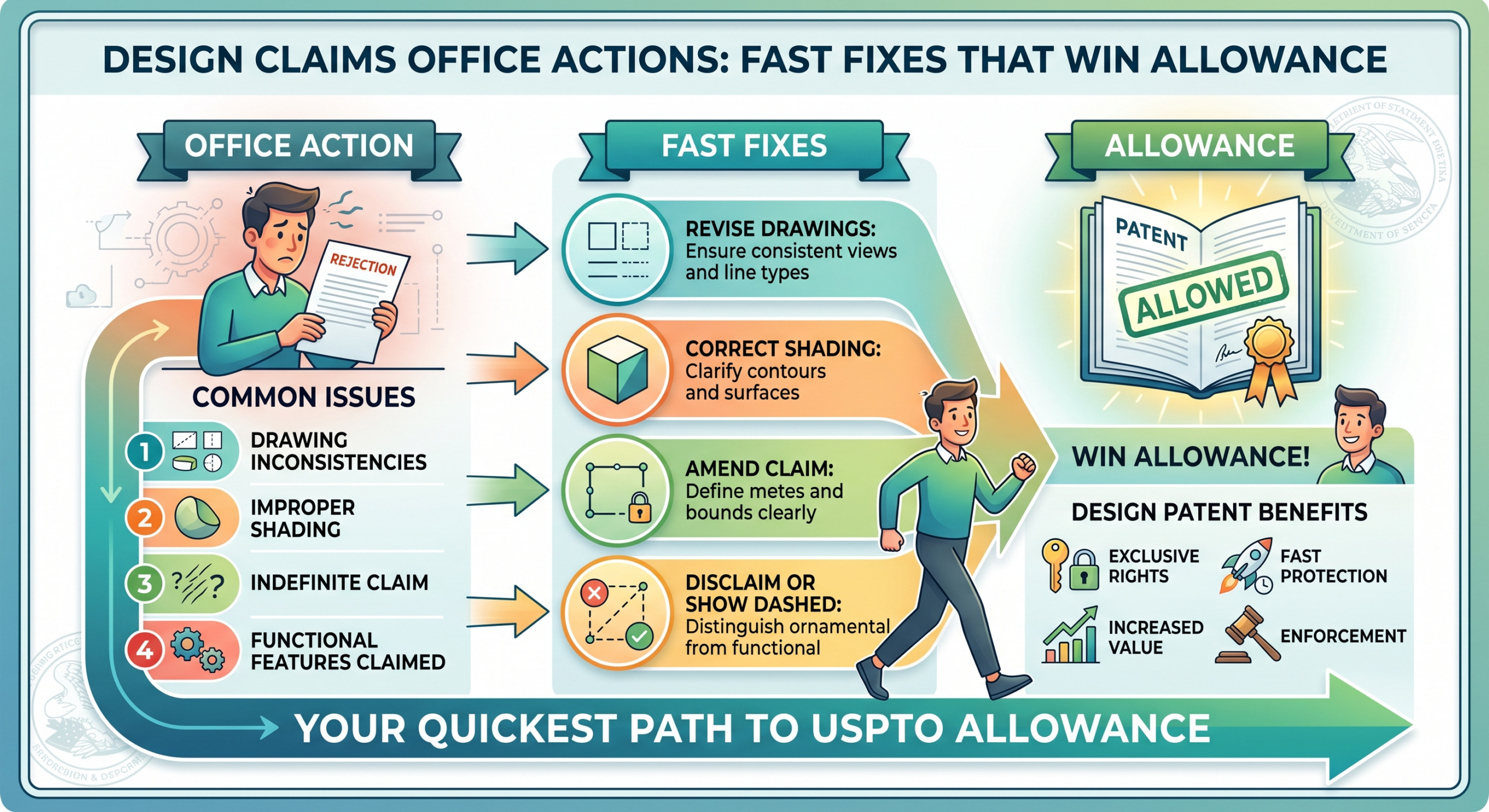
Design Claims Office Actions: Fast Fixes That Win Allowance
Fix design claim office actions faster with practical response tips that help clear objections and move your patent toward allowance.
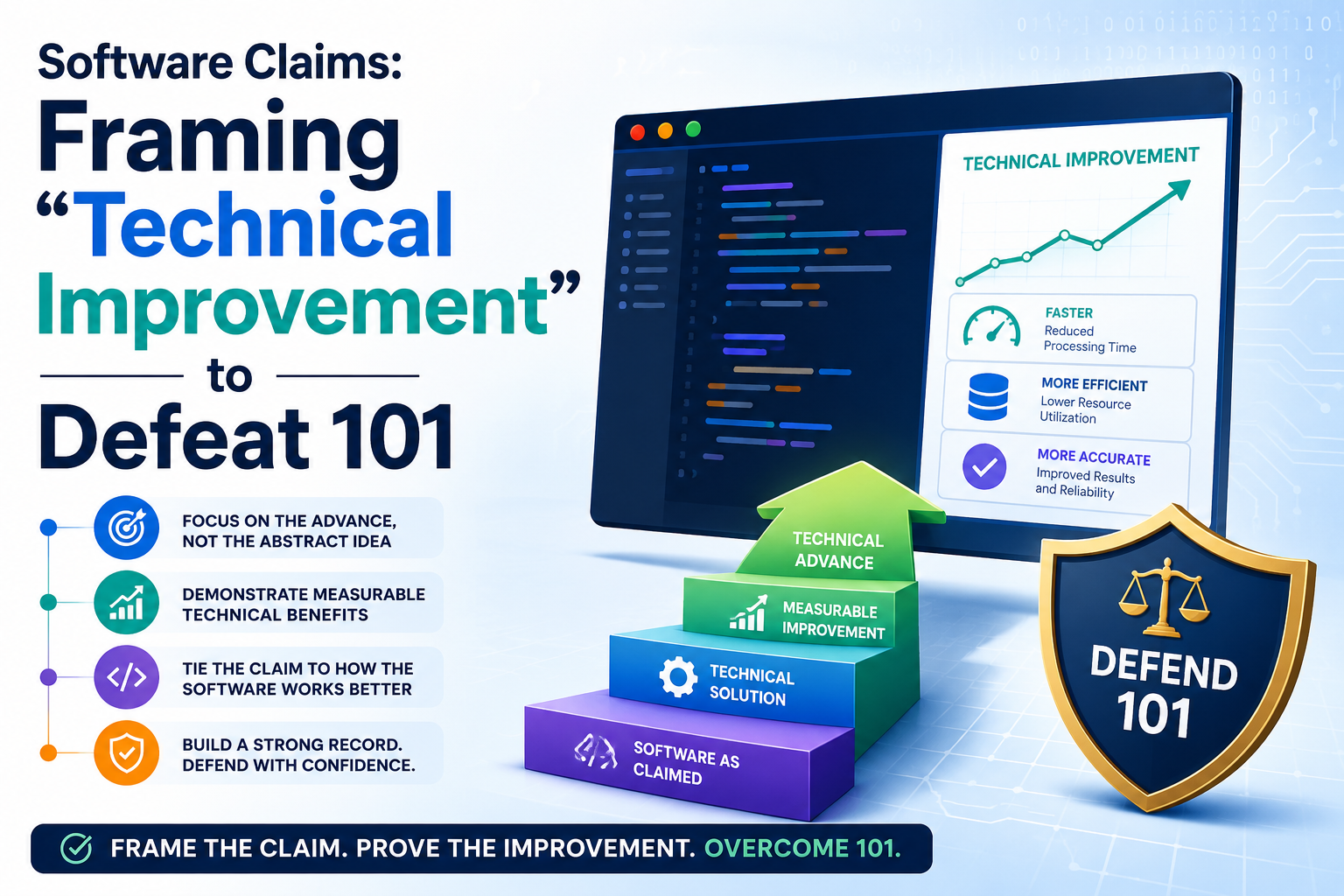
Software Claims: Framing “Technical Improvement” to Defeat 101
Learn how to frame software claims as a real technical improvement to overcome 101 rejections and protect your invention.
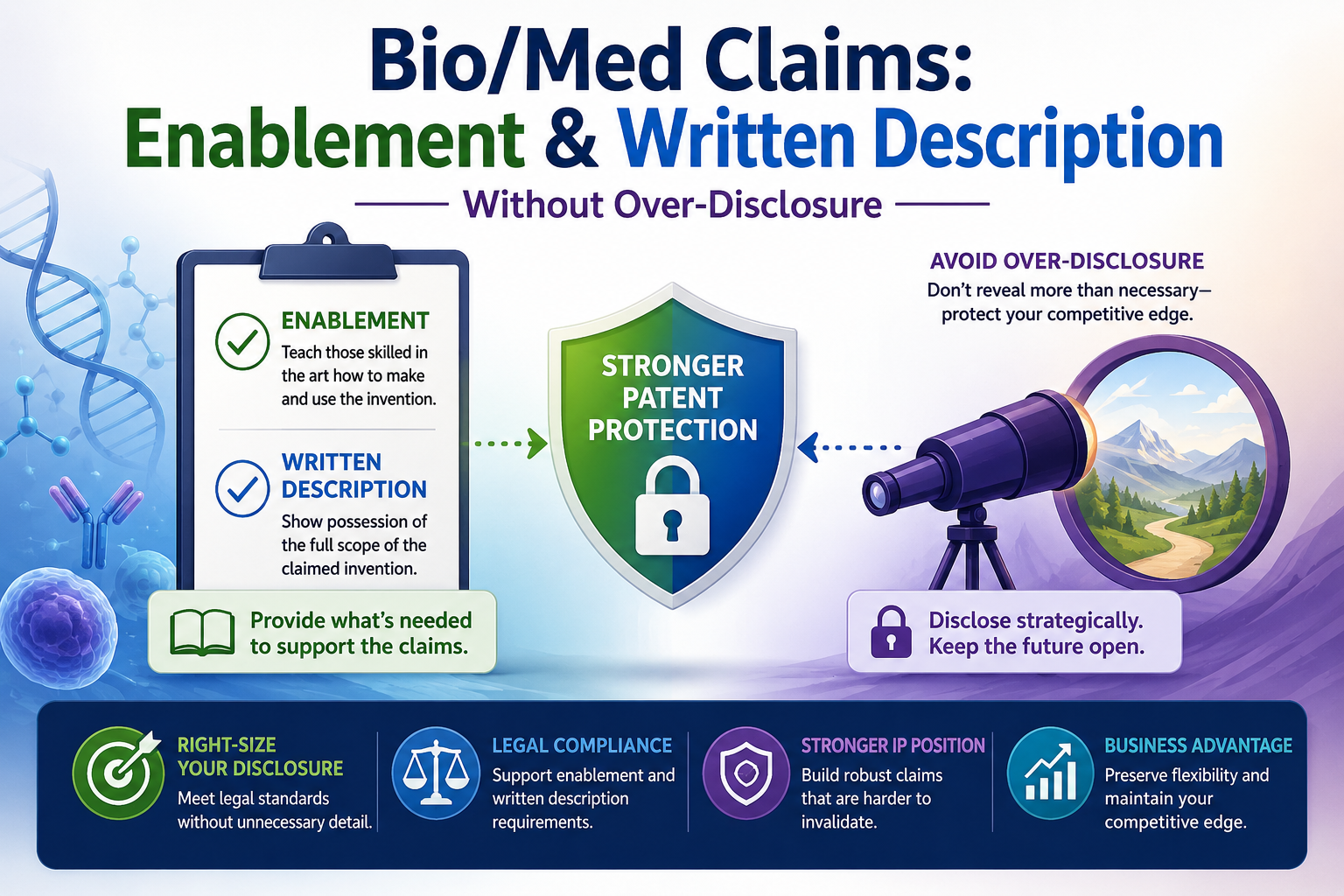
Bio/Med Claims: Enablement & Written Description Without Over-Disclosure
Draft stronger bio and med patent claims with clear enablement and written description—without giving away too much.
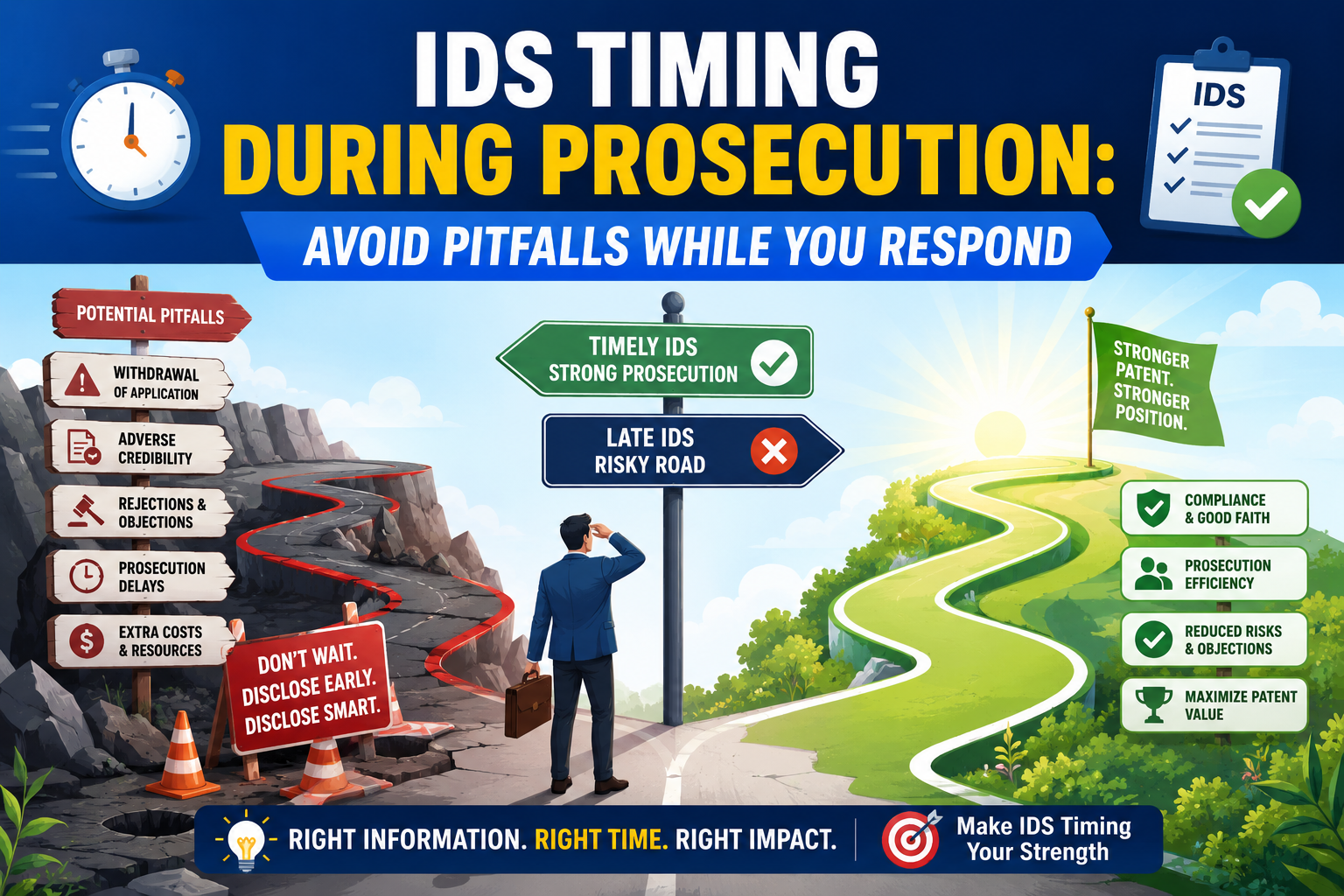
IDS Timing During Prosecution: Avoid Pitfalls While You Respond
Learn when to file an IDS during patent prosecution, avoid timing traps, and keep responses moving without costly mistakes.
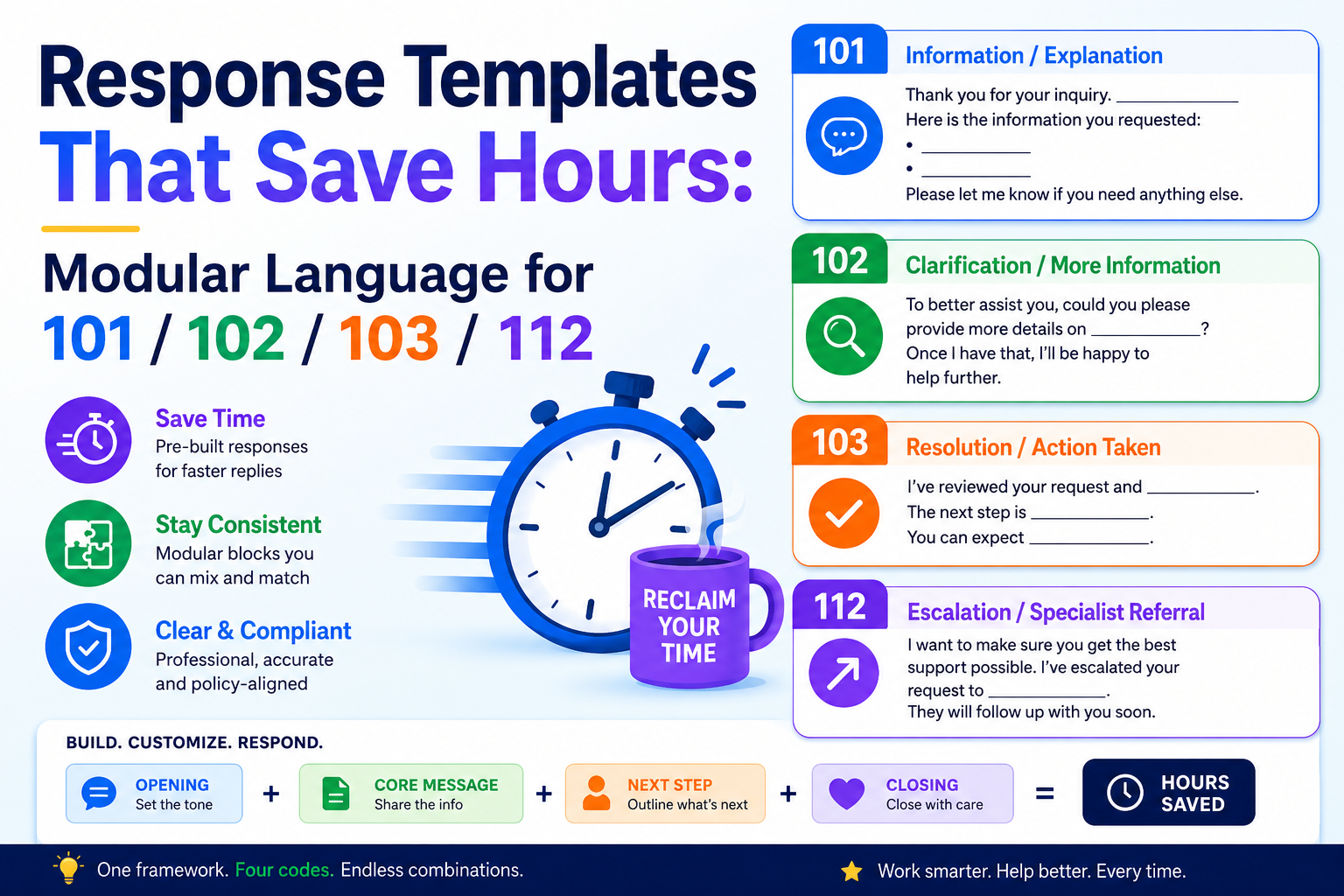
Response Templates That Save Hours: Modular Language for 101/102/103/112
Save hours on office action responses with modular language for 101, 102, 103, and 112 rejections your team can reuse.

Patent Claim Charting 101: A Simple Guide for IP Teams
Learn patent claim charting basics, why IP teams use claim charts, and how they help map claims, products, and prior art.