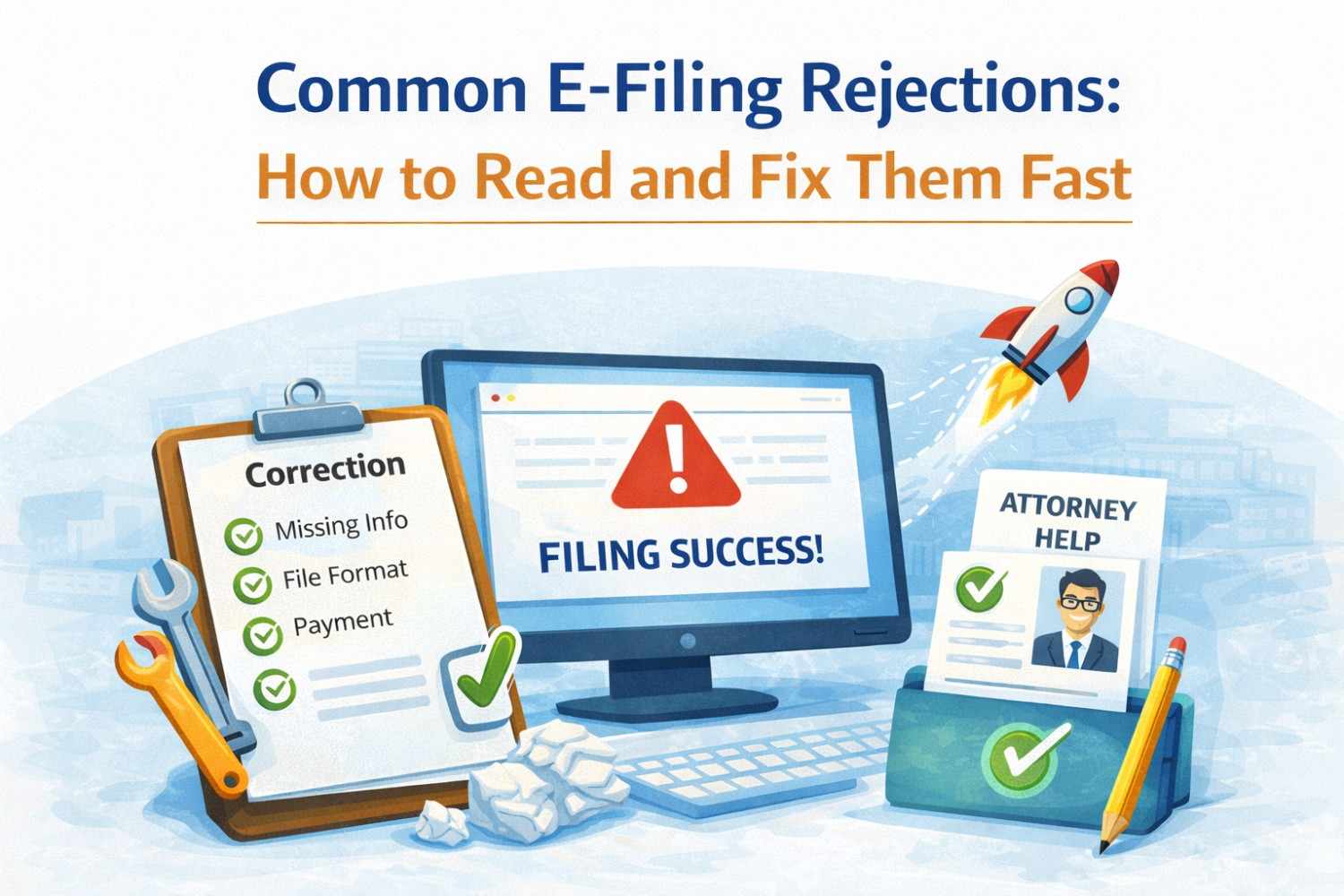
You spent weeks building your product. You wrote code late at night. You tested, fixed, and tested again. Then you finally filed your patent application online. You hit submit. And then—rejection. Not because your idea is weak. Not because it is not new. But because of something small in the filing system. This happens every day. And it slows founders down more than it should. In this guide, we will walk through the most common e-filing rejections, what they really mean, and how to fix them fast without panic, without guesswork, and without wasting months. If you are building something real and want to protect it the smart way, this will save you time and stress.
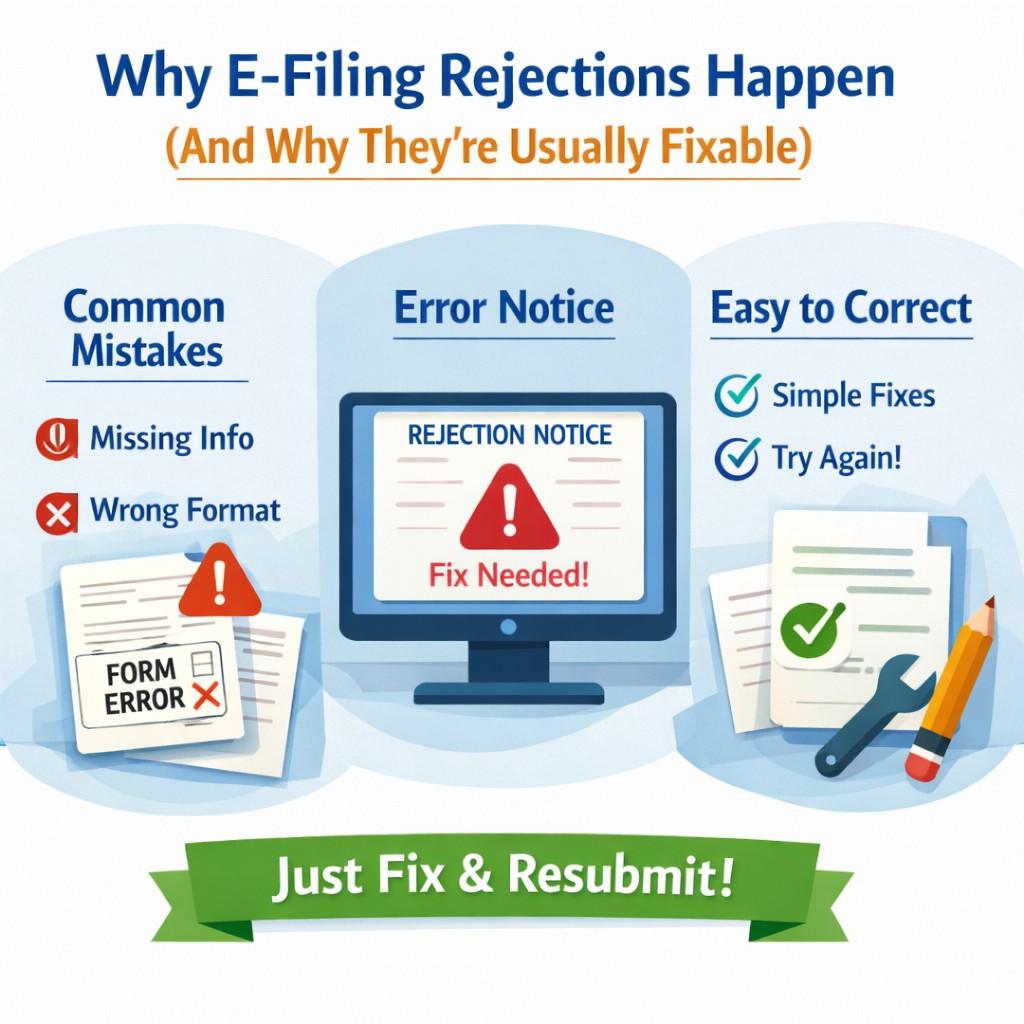
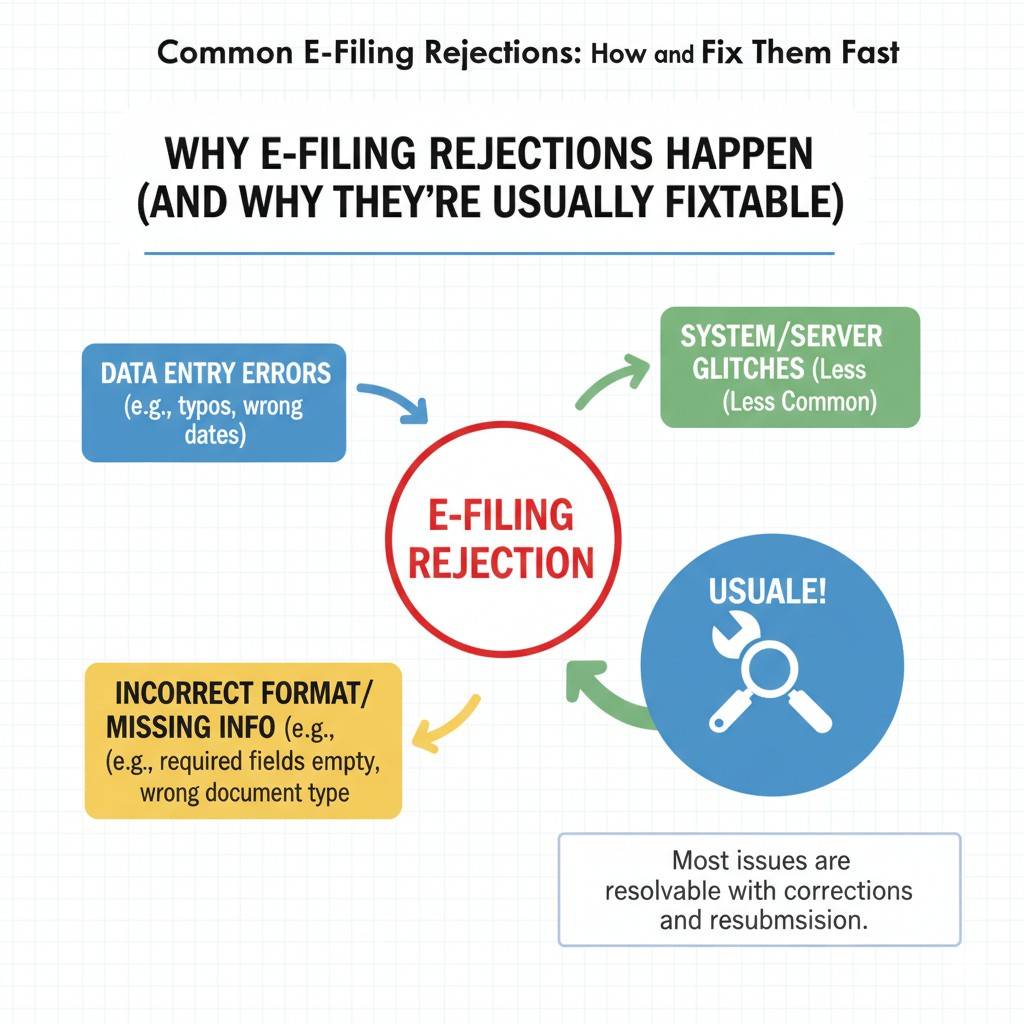
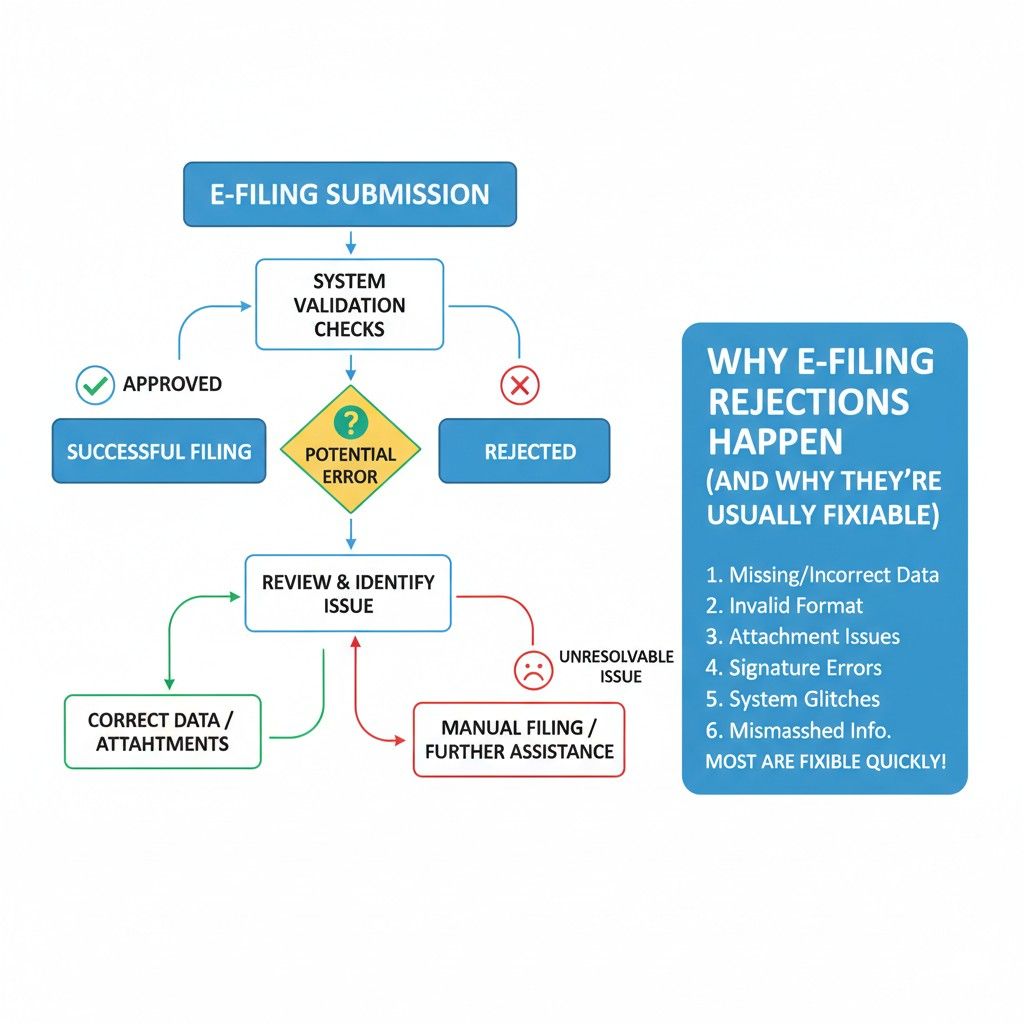
Why E-Filing Rejections Happen (And Why They’re Usually Fixable)
Most e-filing rejections are not about your invention. They are about the system. Patent offices use strict software rules to check every document before a human even looks at it.
If one file is in the wrong format, if one page is missing a margin, or if one field is filled out the wrong way, the system can block the entire submission. That can feel serious.
But in most cases, it is a technical issue, not a judgment about your idea. When you understand this, you stop reacting with fear and start responding with strategy.
The Patent Office System Is Rule-Based, Not Context-Based
The filing system does not think like you. It does not understand what you meant to do. It only checks whether each field matches a required rule.
If the system expects a PDF with embedded fonts and you upload a file without them, it will reject it. It does not matter if your invention could change an industry. The system cannot see that.
For founders, this means you must treat filing like a software deployment. The system will not reward effort. It only rewards precision. Before you submit, run your own internal check.
Open every file. Confirm page sizes. Confirm margins. Confirm that the right boxes are selected. Slow down at this stage. A calm ten-minute review can prevent a two-week delay.
This is one reason many startups choose to use a structured platform that guides the process step by step. When you use software built for patent filings, you reduce the risk of simple rule-based errors.
If you want to see how that works in practice, you can explore the process here: https://powerpatent.com/how-it-works
Small Administrative Mistakes Create Big Delays
Most rejections are not dramatic. They are small gaps. A missing inventor address. An unsigned declaration. A fee calculated incorrectly. These details seem minor, but the system treats them as critical.
The real danger is not the rejection itself. The danger is lost time. If you are raising funding or preparing a launch, every week matters. A filing delay can affect investor confidence.
It can affect timing with partners. It can even impact international deadlines if you are planning to file abroad.
To protect your timeline, build a filing calendar before you ever hit submit. Mark the intended filing date. Then mark a buffer period after submission to check for notices.
Plan to log in and confirm acceptance. Do not assume silence means success. Make it a habit to verify status within days of filing.
Founders who treat patent filing like a business milestone, not just paperwork, move faster and with more control.
Formatting Errors Are the Silent Killer
Formatting problems cause more rejections than most founders expect. Line spacing. Margin size. Font type. Page numbering. These details feel small, but they can trigger automatic rejection before review even begins.
The reason is simple. Patent offices need every document to be machine readable and standardized. If one page breaks that standard, the system flags it.
The strategic move is to separate writing from formatting. Draft your application in a clean document. Then convert it using a tool that is designed for patent submission.
Do not rely on default settings in general word processors. Those defaults are not built for patent rules.
If you are serious about protecting your invention, consider using a workflow that includes built-in formatting checks and attorney review. Software plus human oversight reduces the risk of these silent errors.
That combination is what makes filing smoother and faster. You can see how that model works here: https://powerpatent.com/how-it-works
Fee Miscalculations Trigger Immediate Notices
Fee errors are another common cause of rejection. Patent offices calculate fees based on entity size, claim count, and document length. If you check the wrong entity status or miscount your claims, the system may issue a notice.
For startups, this can happen when founders assume they qualify for small entity status without confirming eligibility. Or when they add extra claims at the last minute without recalculating fees.
The best approach is to treat fee calculation as part of your strategy, not an afterthought. Before filing, confirm your company’s size status. Review your claim count carefully.
If you are unsure, get confirmation before submission. A short review with someone who understands the rules can prevent an avoidable delay.
Mistakes here do not mean your patent is weak. They mean the paperwork did not match the rules. That is fixable.
Missing Signatures and Declarations Are Common but Preventable
Another reason filings get rejected is incomplete inventor declarations. Patent offices require specific statements signed by each inventor. If one signature is missing or the language is incorrect, you may receive a notice.
This often happens in fast-moving startups where inventors are spread across teams or even countries. One person forgets to sign. Another signs an outdated version.
The fix is simple but requires discipline. Before filing, confirm that each inventor has reviewed and signed the correct document.
Keep all signatures organized in one secure location. Do not rely on memory or scattered email threads.
If you build this step into your workflow from the beginning, you avoid last-minute scrambling. Structured systems help here. When documents are generated and tracked in one place, the risk of missing signatures drops significantly.
Upload Errors and File Corruption
Sometimes the content is correct, but the file itself causes the issue. Upload failures, corrupted PDFs, or incompatible file types can block acceptance.
These problems are frustrating because they feel random. But they are often preventable. Always download and open the exact file you plan to upload before submitting.
Confirm that it displays correctly. Do not assume that because it looks fine on your screen, it will pass system validation.
If your filing platform allows previewing the full submission packet, use that feature. Review it carefully. Think of it as a final inspection before launch.
When founders slow down for this last review, rejection rates drop sharply.
Deadlines and Timing Confusion
Sometimes a filing is rejected because it was submitted under the wrong application type or after a critical date.
For example, converting a provisional application to a non-provisional must happen within a specific window. Missing that window can create serious issues.
The strategic move is to map out your patent timeline the day you file your first application. Know your priority dates. Know your conversion deadlines. Set reminders months in advance.
Do not rely on memory. Treat these dates like investor meetings. Put them on the calendar. Share them with your team. If you are using a structured patent platform with attorney oversight, confirm that deadline tracking is part of the service.
This is not about fear. It is about control. When you know your dates, you make decisions calmly.
The Emotional Side of Rejection
For many founders, a filing rejection feels personal. It feels like failure. That emotional reaction can slow you down more than the actual issue.
It is important to separate administrative rejection from substantive review. Most e-filing rejections are procedural. They say nothing about whether your invention is patentable.
The faster you shift from emotion to analysis, the faster you fix the problem. Read the notice slowly. Identify the exact issue. Confirm what needs correction. Then act.
If you do not fully understand the notice, do not guess. Misinterpreting it can lead to bigger delays. This is where having real attorney oversight can make a huge difference.
Smart software catches common issues. Real experts interpret complex notices. That combination protects your time and your confidence.
You can see how PowerPatent blends both here: https://powerpatent.com/how-it-works
Why Most Rejections Are Fixable
The key point is this: most e-filing rejections are not permanent. They are requests for correction. The system is giving you a chance to fix something.
When you respond quickly and correctly, your application moves forward. Many founders waste weeks because they hesitate or feel unsure. Instead, treat the notice as a to-do item. Address it. Resubmit. Confirm acceptance.
Speed matters. Investors like to see progress. Teams move better when they know protection is on track. Fixing a rejection fast shows discipline and leadership.
Building a Smarter Filing Process
The best way to handle rejections is to prevent them. That means building a process that combines preparation, review, and oversight.
Do not treat patent filing as a one-time event. Treat it as a structured workflow. Draft carefully. Review formatting. Confirm signatures. Double-check fees. Verify file integrity. Track deadlines.
When you use tools designed for founders and backed by real patent attorneys, you reduce risk at every step. You move faster. You stay in control. And you protect what you are building without slowing down your company.
If you want a smoother path from idea to filed patent, take a few minutes to see how PowerPatent works: https://powerpatent.com/how-it-works
Most e-filing rejections are speed bumps, not roadblocks. When you understand why they happen and how to respond, they stop feeling scary. They become manageable. And that shift alone gives you a powerful advantage.
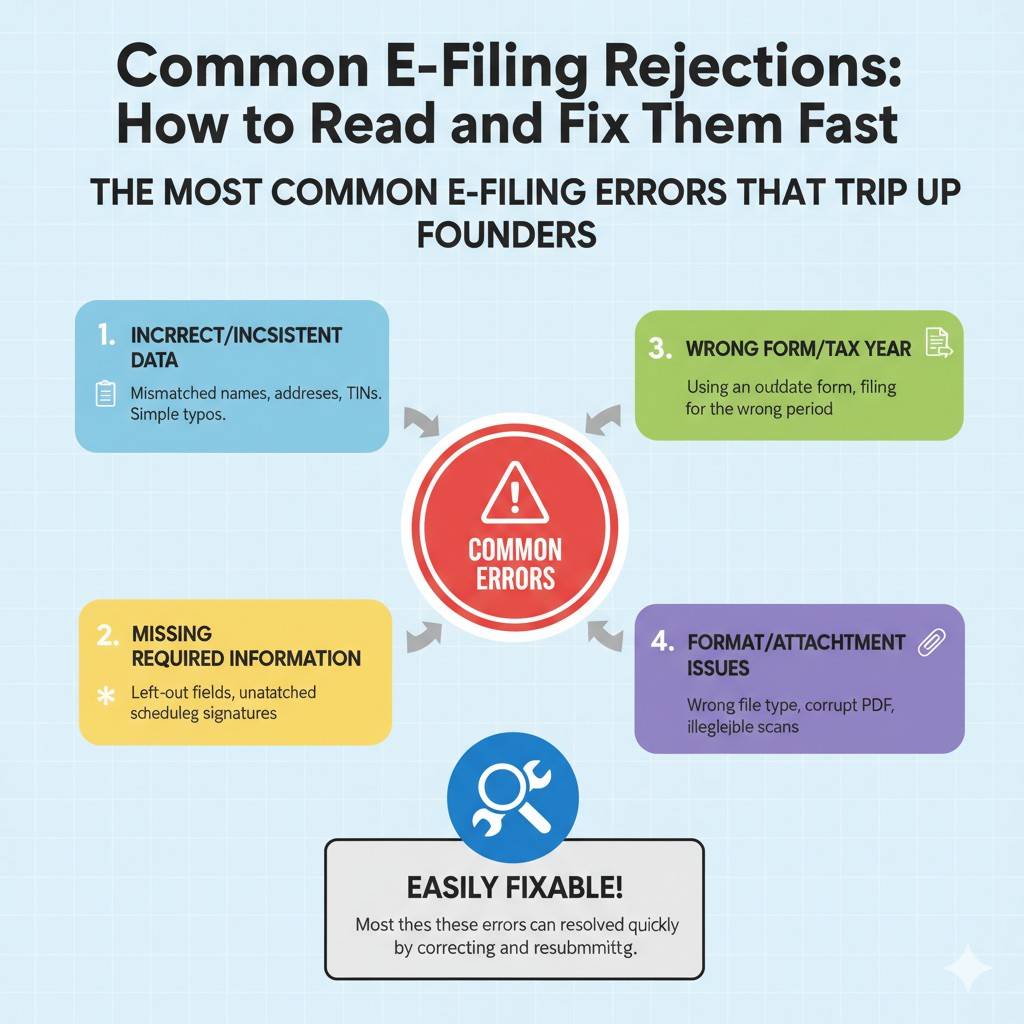
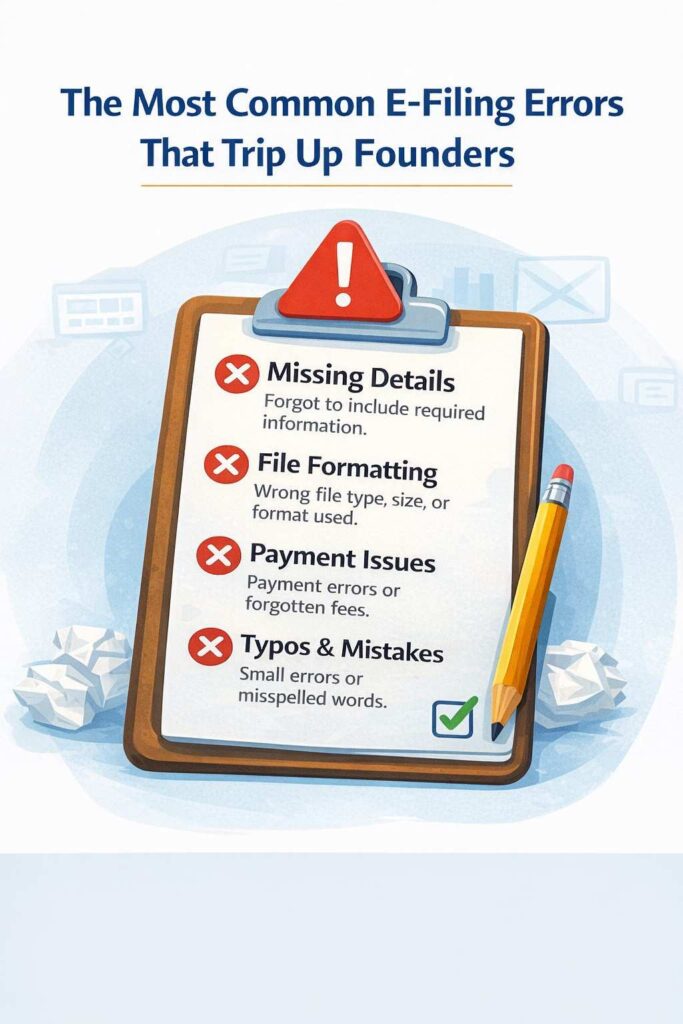
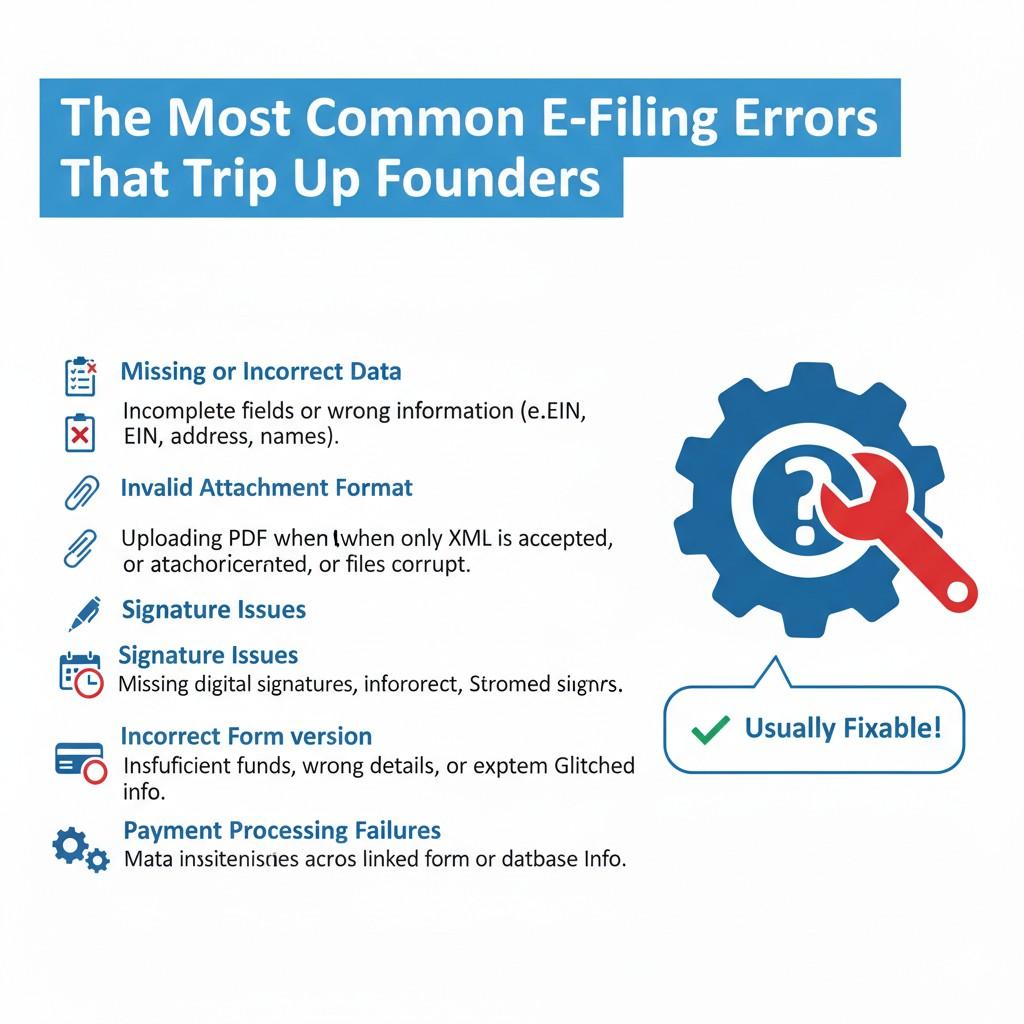
The Most Common E-Filing Errors That Trip Up Founders
Most founders assume that once the application is written, the hard part is over. In reality, many filings get rejected before anyone even reads the invention.
The issue is usually not the idea. It is how the idea was packaged and submitted.
These errors are common. They happen to smart, technical people every day. The good news is that once you see the patterns, you can avoid them.
When the Application Data Sheet Does Not Match the Specification
One of the most common problems is a mismatch between the core document and the metadata entered into the system. The title might be slightly different.
An inventor name might be spelled one way in the application and another way in the data sheet. A priority claim might be listed in one place but missing in another.
The system does not assume these are small typos. It treats them as formal inconsistencies. That can trigger a notice.
The strategic move here is simple. Before you submit, compare your data sheet and your specification line by line. Make sure names, addresses, and titles are identical.
Confirm that priority information appears everywhere it should. Do not rely on memory. Do not assume it is correct. Verify it.
If you are building a venture-backed startup, these details matter even more. Investors may later review assignment records and inventor data. A clean, consistent filing shows discipline. Sloppy inconsistencies raise questions.
Platforms that auto-sync information across forms reduce this risk because they remove manual re-entry. That alone can prevent one of the most common rejections founders face.
If you want to see how structured workflows reduce these errors, you can explore the process here: https://powerpatent.com/how-it-works
Incorrect Entity Status Selection
Another frequent issue happens when founders choose the wrong entity size. Patent offices offer different fee levels based on company size. Selecting the wrong category can trigger an underpayment notice.
This often happens when startups grow quickly. You might qualify as a small entity at one moment and then close a funding round that changes your status. Or you may assume you qualify without reviewing the actual rules.
The risk is not just paying a small difference in fees. If not corrected properly, entity mistakes can create bigger complications down the line.
Before filing, confirm your current status. Review your funding, employee count, and any licensing agreements. If you are unsure, pause and verify. A quick check now avoids a correction process later.
This is where having real attorney oversight adds value. Software can guide you, but a trained expert can confirm you are selecting the correct classification based on your business structure.
Claims That Break Formatting Rules
Claims are the heart of your patent. But they are also one of the most common sources of formal rejection. Even small formatting issues in claims can trigger notices.
For example, improper numbering, inconsistent dependency references, or incorrect indentation can cause system errors. If claim 5 depends on claim 3, but claim 3 was edited or removed, the system will flag the inconsistency.
Founders often revise claims late in the process. They add a new independent claim. They restructure language. In the rush to submit, they forget to recheck numbering and dependencies.
The fix is procedural discipline. After finalizing claims, do a clean review only for structure. Do not focus on the technical content. Focus on numbering, references, and consistency.
Read them slowly. Confirm that each dependent claim properly refers to an existing claim.
If your workflow includes automated claim validation, that reduces risk even more. Smart systems can catch broken dependencies before submission. Combined with human review, this dramatically lowers rejection rates.
Drawings That Do Not Meet Technical Standards
Patent drawings must meet specific size, margin, and labeling rules. Many founders underestimate how strict these requirements are. A drawing that looks perfectly fine on screen may still fail formal review.
Common problems include missing reference numbers, inconsistent labeling between the drawings and the written description, or margins that do not meet required measurements.
Another frequent issue is submitting screenshots instead of formal line drawings. While screenshots may help explain software features internally, they often do not meet patent office standards.
The strategic approach is to treat drawings as formal legal documents, not just visuals. Ensure that every element mentioned in the description appears in the drawings and is labeled consistently.
Double-check margins and resolution before converting to final format.
If you are filing software-related inventions, this step is critical. Many software founders assume drawings are secondary. They are not. They are part of the official record.
Using a system that standardizes drawing requirements and includes attorney review can prevent technical rejections at this stage. You can see how PowerPatent supports this process here: https://powerpatent.com/how-it-works
Missing or Incorrect Priority Claims
Priority claims connect your new filing to an earlier application. If this information is entered incorrectly, the system may reject the filing or issue a correction notice.
This mistake often happens when converting a provisional application into a non-provisional. The founder assumes the system will automatically link them. It does not.
The priority claim must be properly stated in the application and in the correct filing fields.
If the claim is missing or incorrect, you risk losing the earlier filing date. That can be serious if competitors are filing similar ideas.
To avoid this, always confirm the exact application number and filing date of the earlier application. Enter it carefully. Review it before submission. Do not rely on copying from memory.
Priority errors are preventable. They require careful attention, not advanced legal knowledge.
Improper PDF Conversion
Many founders draft applications in standard word processors. During conversion to PDF, formatting can shift. Page breaks move. Line spacing changes. Special characters disappear.
These subtle changes can create technical problems. A missing symbol in a formula. A shifted paragraph that alters numbering. A corrupted character in a claim.
Before uploading, open the final PDF and compare it to your original draft. Scroll slowly. Confirm that everything appears exactly as intended.
It is also wise to avoid last-minute editing directly in the PDF. Finalize your document first. Then convert. Then review.
A structured filing system built for patent documents often includes formatting safeguards. That reduces the risk of invisible errors that only show up after submission.
Unpaid or Misapplied Fees
Sometimes the issue is not the amount of the fee but how it was applied. A payment might not link correctly to the specific application. A card transaction might fail silently. A deposit account might not have enough funds.
Founders often assume payment went through because they saw a confirmation screen. But unless you receive an official acknowledgment from the patent office, do not assume success.
After submission, confirm receipt. Log back in. Check application status. Save proof of payment. Keep records organized.
Treat filing confirmation like closing a funding round. Until you see official acknowledgment, the process is not complete.
Filing Under the Wrong Application Type
Choosing the wrong application category can trigger rejection or require correction. For example, filing a non-provisional when you intended to file a provisional, or selecting the wrong continuation type.
These errors usually come from misunderstanding terminology. The names can sound similar, but the legal effects differ.
Before starting the filing process, clarify your strategy. Are you securing an early date with a provisional? Are you converting to a full application? Are you filing improvements?
When you align your filing type with your business roadmap, you avoid missteps. If you are preparing for fundraising, timing and strategy matter. Filing the correct type protects your leverage.
Having both software guidance and real attorney input ensures you are not guessing. You are making a clear, informed move.
Failing to Review the Submission Receipt
Many founders stop paying attention after they click submit. That is a mistake. The submission receipt contains critical information. It confirms what was received and what was not.
Sometimes a file fails to attach. Sometimes a document uploads but is not properly categorized. The receipt will show this.
Always download and review the official receipt. Compare it to your intended submission packet. Confirm that every document appears correctly.
This final review can catch errors early, before they grow into formal notices.
E-filing errors are common because the system is strict and the rules are precise. But once you understand where founders typically slip, you can protect yourself.
The key is process. Slow down at the right moments. Double-check data. Verify files. Confirm payments. Track deadlines. And whenever possible, combine smart tools with real expert oversight.
If you want to reduce rejection risk while moving fast, take a closer look at how PowerPatent blends software and attorney review into one clear workflow: https://powerpatent.com/how-it-works
You built your product with care. Your patent filing deserves the same level of attention.
How to Read a Rejection Notice Without Panic
The moment you see the word “notice” from the patent office, your stomach can drop. It feels official. It feels serious. It can even feel like your idea is being attacked.
Pause right there.
Most e-filing rejections are not about your invention. They are about compliance. They are about format. They are about missing information. If you read the notice calmly and correctly, you will often see that the issue is narrow and fixable.
This section will show you how to read a rejection notice like a founder, not like someone in trouble.
The First Step Is Emotional Control
Before you read a single word in detail, slow down. The way you approach the notice shapes how fast you fix it.
Founders move fast. That is a strength. But speed mixed with stress leads to mistakes. If you skim the notice and respond too quickly, you might misread the issue and create a second problem.
Open the notice when you have quiet time. Read it once from top to bottom without reacting. Then read it again slowly.
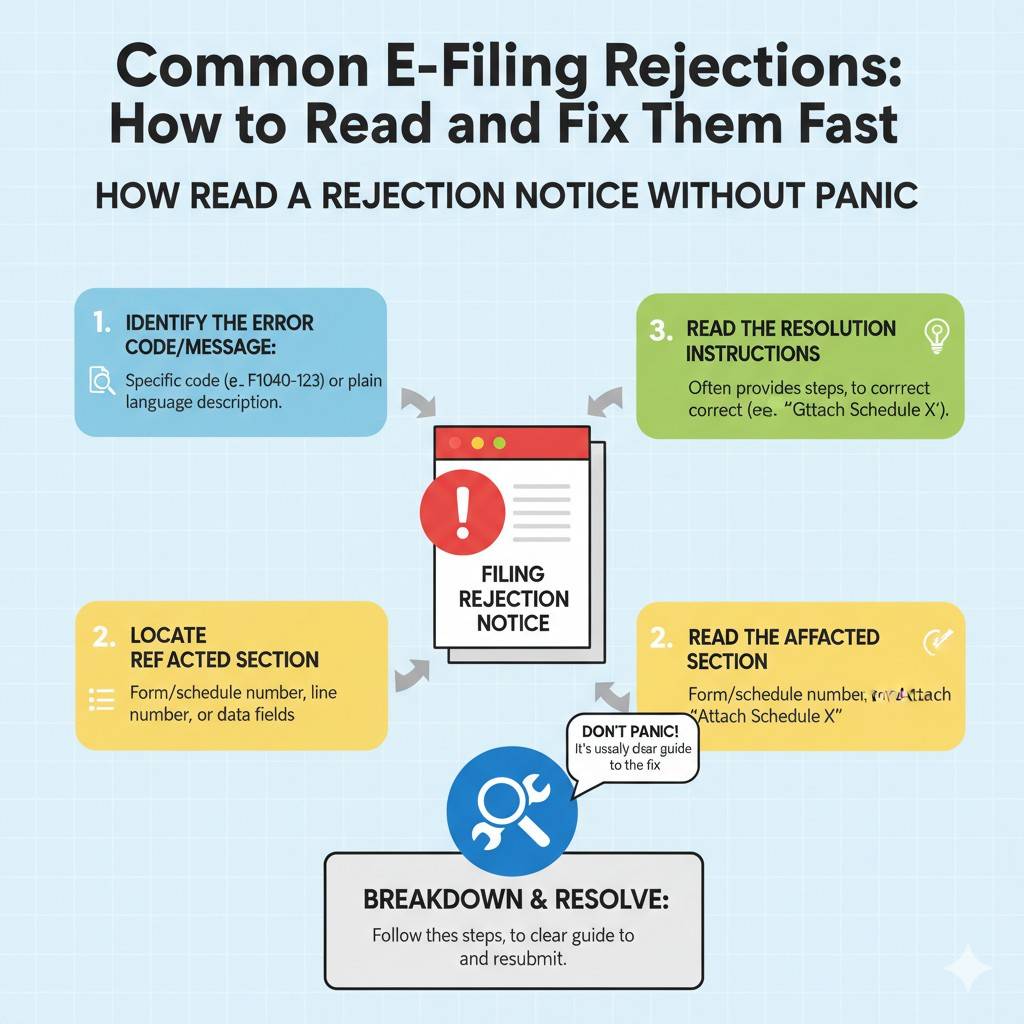
Your goal is not to defend your invention. Your goal is to understand the exact correction being requested.
Separate Administrative Notices From Substantive Rejections
Not all rejections are the same.
An administrative notice usually relates to missing documents, formatting problems, incorrect fees, or incomplete information. These are technical issues. They do not question whether your invention is new or useful.
A substantive rejection, on the other hand, comes later during examination. That involves the patent examiner reviewing your claims and comparing them to prior art.
In the context of e-filing rejections, most early notices are administrative.
This distinction matters. If the notice references missing parts, omitted items, or formal requirements, you are likely dealing with a procedural correction.
When you understand this, your mindset shifts from defense to execution.
Read the Exact Language Carefully
Patent office notices use formal wording. It can sound heavier than it is.
Instead of focusing on tone, focus on the specific issue described. Look for phrases that point to the problem.
For example, the notice may say that a required document was not received, that a fee was insufficient, or that certain formatting rules were not met.
Do not assume you know what it means. Read the cited section carefully. Sometimes the issue is narrower than it appears at first glance.
If the notice references a specific rule or code, take note of it. That code often points directly to the correction required.
This is where founders sometimes make a mistake. They jump to rewriting large sections of the application when the issue may only require submitting a missing form or correcting a checkbox.
Precision saves time.
Identify the Deadline Immediately
Every notice comes with a response window. That window matters.
The first operational step after reading the notice is identifying the response deadline. Write it down. Put it on your calendar. Set a reminder well before the final day.
Missing a response deadline can create larger complications than the original issue.
Treat this like a funding deadline or a product launch date. It deserves the same level of visibility inside your company.
If you are working with a team, make sure at least two people are aware of the deadline. Shared awareness reduces risk.
Determine Whether the Issue Is Isolated or Systemic
Once you understand the problem, ask a simple question. Is this a one-time mistake, or is it part of a larger process issue?
For example, if the notice says a document was missing, check whether your workflow consistently verifies document completeness before submission. If not, this is a process gap.
If the issue involves fee miscalculation, review how fees were determined. Was entity status confirmed? Were claim counts verified?
Do not just fix the single error. Improve the system that allowed it.
Strong companies build repeatable processes. Patent filings should follow that same mindset.
Avoid Guessing When the Language Is Unclear
Sometimes notices use technical language that is not easy to interpret. When this happens, guessing is dangerous.
If you respond incorrectly, you may trigger additional notices or extend delays.
Instead, seek clarity. This is where real attorney oversight becomes powerful. Smart software can flag common issues, but trained professionals can interpret ambiguous notices quickly.
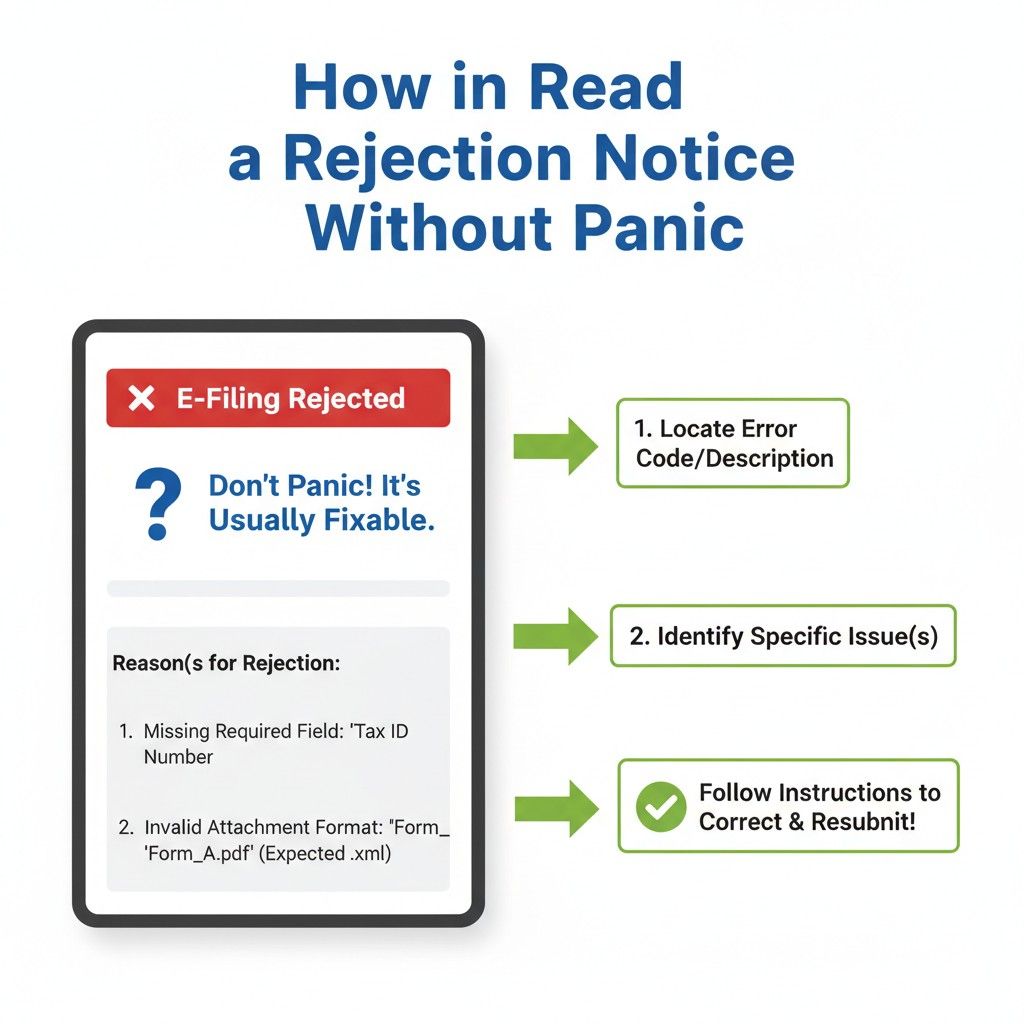
When software and legal review work together, you reduce uncertainty. That combination is exactly how modern founders protect their filings without slowing down their company.
If you want to understand how that blend works in practice, take a look here: https://powerpatent.com/how-it-works
Clarity is speed. Confusion creates delay.
Draft the Response Before Submitting Anything
Once you understand the issue, prepare the correction carefully. Do not rush to upload new documents without reviewing them fully.
If the notice requires submitting a missing form, ensure it is complete and signed properly. If it requires fee correction, confirm the exact amount due and verify payment processing.
If formatting was the issue, review the corrected document thoroughly before resubmission.
Think of this as a controlled second launch. The goal is clean acceptance.
Before submitting, double-check that the correction directly addresses the specific issue mentioned in the notice. Do not overcorrect. Do not add unnecessary changes unless required.
Targeted responses move faster.
Keep Detailed Internal Records
Every notice and response should be saved and organized. Keep copies of the original filing, the notice, your response, and the confirmation of acceptance.
Why does this matter?
As your startup grows, you may file multiple patents. You may raise funding. You may face due diligence from investors or acquirers. Having clean, organized records shows operational maturity.
It also protects you if questions arise later about filing dates or corrections.
Treat your patent records like financial records. Structured and easy to retrieve.
Confirm Acceptance After Response
Do not assume that once you submit the correction, the issue is resolved. Log back into the system and verify that the updated filing has been accepted.
Look for official acknowledgment. Confirm that the application status has moved forward.
Many delays happen because founders assume a problem was fixed when it was not fully processed.
Verification is the final step in closing the loop.
Use Rejections as a Process Upgrade
This may sound surprising, but early rejections can actually strengthen your company.
Each notice reveals something about your internal workflow. It shows where assumptions were made. It shows where manual entry created risk. It shows where review was too fast.
Instead of seeing a rejection as a setback, treat it as feedback on your process.
Refine your checklist. Improve your review stage. Clarify team roles. Add oversight where needed.
Over time, your filings become smoother. Your response speed increases. Your confidence grows.
That is how strong IP portfolios are built.
Build a Filing System That Prevents Panic
The ultimate goal is not just fixing notices. It is reducing them.
When you combine structured software that guides each step with real attorney review that catches deeper issues, you dramatically reduce rejection risk.
You move from reactive correction to proactive control.
Modern startups should not rely on scattered emails, manual forms, and last-minute uploads. They should use systems built for speed and precision.
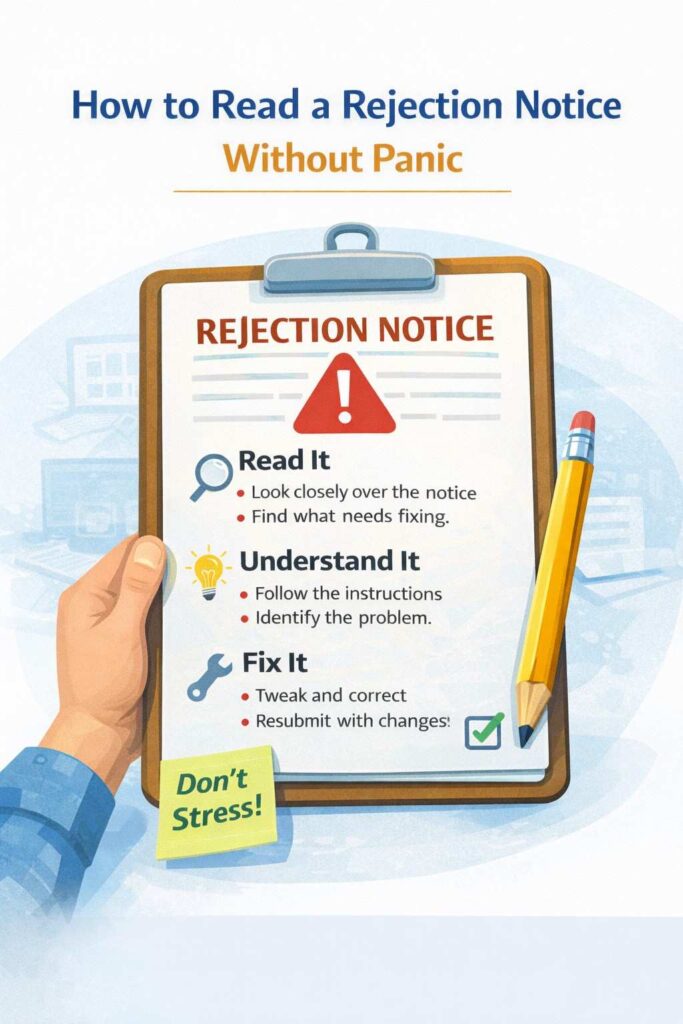
If protecting your innovation matters, and if you want fewer surprises during filing, explore how PowerPatent helps founders move fast without cutting corners: https://powerpatent.com/how-it-works
You do not need to panic when a notice arrives. You need a clear process, calm review, and the right support.
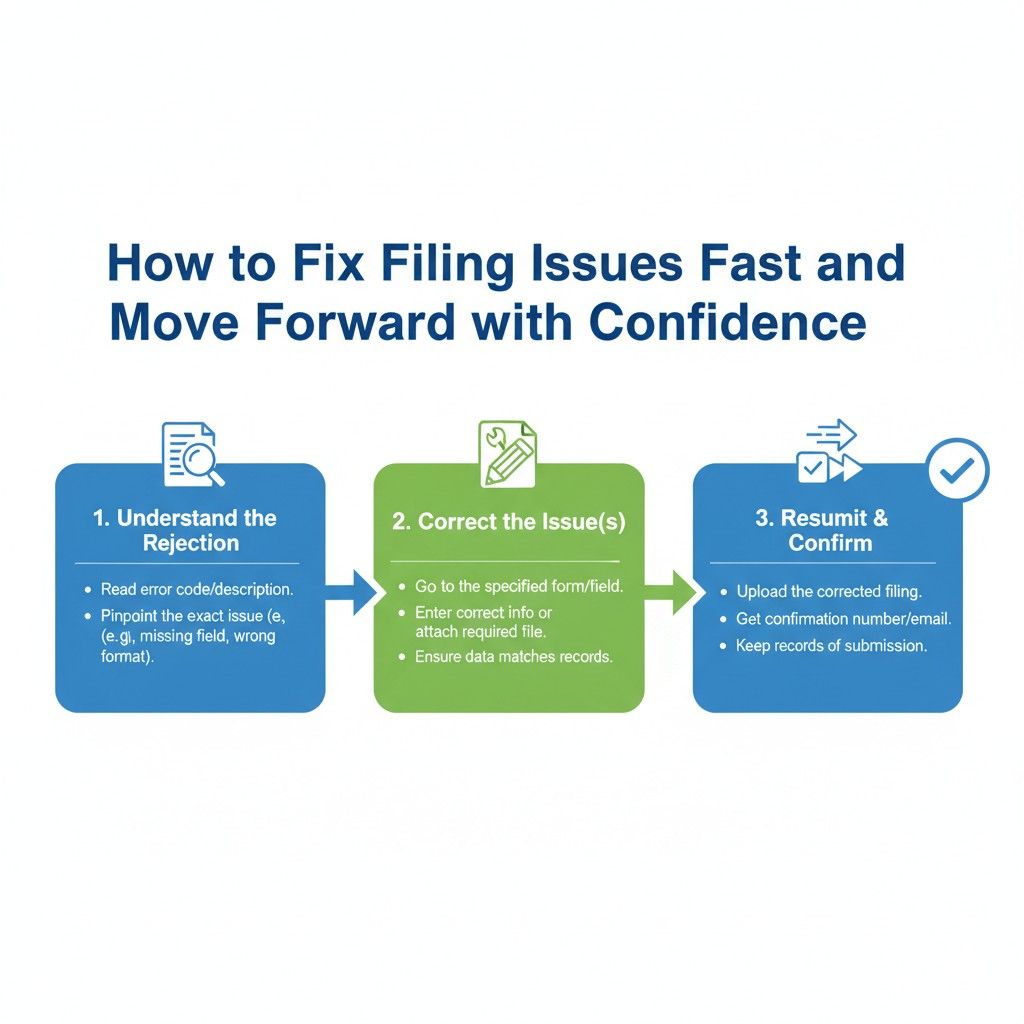
How to Fix Filing Issues Fast and Move Forward with Confidence
A rejection notice is not the real problem. Delay is the real problem.
If you fix the issue quickly and correctly, your application moves forward. If you hesitate, overthink, or respond poorly, the delay grows. Investors wait. Product launches move closer. Competitors keep building.
Speed with accuracy is the goal.
This section is about execution. Not theory. Not background. Just how to fix filing issues fast and protect your momentum.
Move From Reaction to Plan in the First 24 Hours
The first day after receiving a notice matters more than most founders realize.
Do not let the email sit in your inbox. Do not forward it around without context. Take ownership immediately.
Read the notice carefully. Identify the exact issue. Confirm the response deadline. Then define a clear plan of action.
If the issue is missing documentation, locate it or prepare it that same day. If the issue is formatting, isolate the affected file and review it. If the issue involves fees, verify the correct amount and payment method.
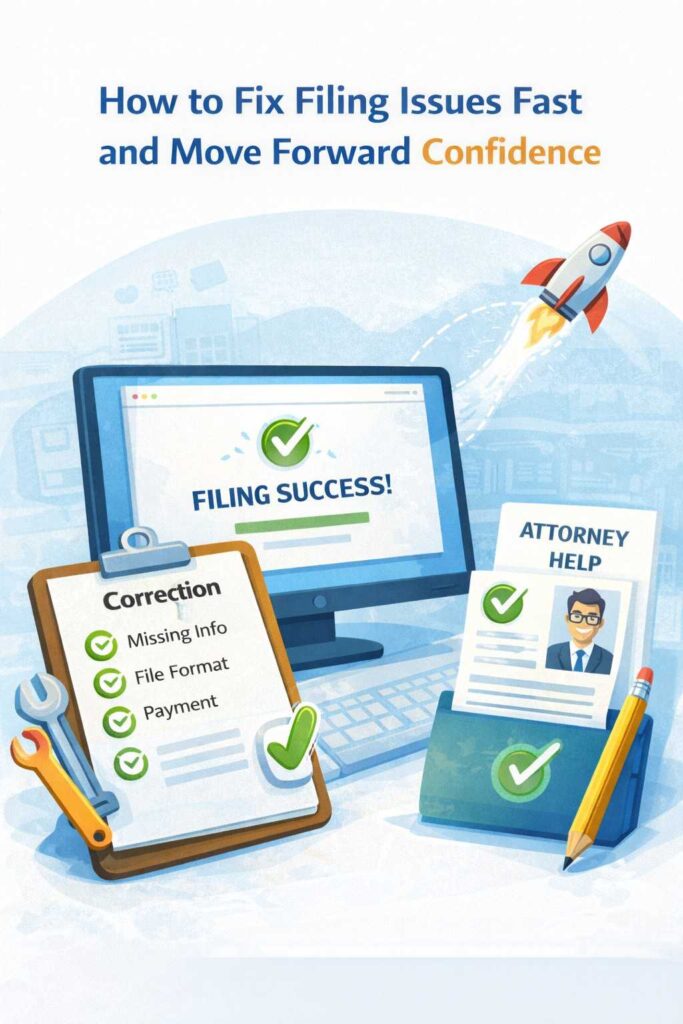
Momentum reduces stress. The faster you define the solution, the less mental weight the notice carries.
Strong founders treat these moments as operational tasks, not emotional events.
Assign Clear Responsibility
One hidden reason filing issues drag on is unclear ownership.
If multiple people are involved in the patent process, someone must be responsible for resolving the notice. Not reviewing it. Not discussing it. Resolving it.
Assign one person to manage the correction. That person can collaborate with others, but they own the outcome.
When ownership is clear, execution speeds up.
In early-stage startups, this is often the founder. As the company grows, it may shift to legal or operations. What matters is clarity.
Fix Only What Is Required
When a notice arrives, there is a temptation to reopen the entire application and improve everything.
That is usually a mistake.
If the notice is administrative, respond narrowly. Correct the specific issue mentioned. Do not rewrite claims. Do not add new material unless instructed. Do not introduce new risks.
Over-editing can create fresh inconsistencies.
Focus on compliance. Address the exact problem. Confirm that the correction matches the notice language.
Precision wins.
Re-Validate the Entire Submission Packet
Even if the notice points to one issue, use the opportunity to run a quick systems check.
Confirm that all documents are present. Verify signatures. Double-check claim numbering. Review formatting one more time.
This does not mean rewriting the application. It means validating completeness.
Think of it like a pre-flight inspection before takeoff.
Founders who build this habit reduce repeat notices.
Use Technology to Eliminate Manual Errors
Many filing issues stem from manual data entry.
Typing inventor names into multiple fields. Copying application numbers by hand. Calculating fees manually. Uploading separate PDFs one by one.
Each manual step creates risk.
Modern patent workflows reduce these risks by centralizing information. Data entered once flows through the entire system. Documents are generated in standardized formats. Required fields are flagged automatically.
This is not about convenience. It is about error prevention.
If your current process relies heavily on manual steps, consider upgrading it. Smart tools combined with attorney oversight dramatically lower rejection rates.
You can see how this structured approach works here: https://powerpatent.com/how-it-works
Speed comes from systems, not scrambling.
Bring in Expert Review When the Issue Is Unclear
Some notices are simple. Others are not.
If the language feels vague or references rules you do not fully understand, do not guess. Misinterpretation can extend delays.
A short review with a patent professional can save weeks. They can interpret the notice quickly and recommend the cleanest correction.
This is where the blend of software and real attorneys makes a difference. Software keeps the workflow organized. Attorneys interpret edge cases and protect strategy.
Founders building serious technology should not rely on guesswork at this stage.
Confidence comes from clarity.
Confirm Receipt and Status After Resubmission
Once you submit the correction, your job is not finished.
Log into the filing system. Confirm that the updated documents were received. Download the new acknowledgment. Verify that the application status reflects the correction.
This final verification step closes the loop.
Too many founders assume the issue is resolved without checking. Weeks later, they discover another notice because the correction was incomplete or misapplied.
Verification prevents surprise.
Protect Investor and Board Confidence
If you are raising capital or reporting to a board, patent status matters.
An unresolved rejection can create uncertainty if discovered during diligence.
By fixing issues quickly and documenting the correction, you maintain credibility. If asked, you can explain clearly what happened and how it was resolved.
Transparency paired with fast action builds trust.
This is another reason speed matters beyond the patent office.
Turn Every Filing Into a Repeatable Playbook
Each filing should make the next one easier.
After resolving a rejection, document what caused it. Update your internal process. Adjust your checklist. Improve your review stage.
Over time, you build a filing playbook.
This playbook becomes part of your company’s operational strength. New team members follow it. Future filings move faster. Error rates drop.
Strong IP portfolios are not built by luck. They are built by process discipline.
Build With Protection in Mind From Day One
The fastest way to fix filing issues is to prevent them before they happen.
That means thinking about patent readiness early. Keeping invention records organized. Tracking contributors clearly. Drafting technical descriptions with structure.
When you treat IP as part of your product roadmap, not an afterthought, filings become smoother.
And when you combine that mindset with modern tools and real legal oversight, you dramatically reduce friction.
PowerPatent was built for this exact reason. Founders need speed. They need clarity. They need protection that matches the pace of innovation.
If you want to file with fewer errors, faster corrections, and stronger oversight, explore how it works here: https://powerpatent.com/how-it-works
You worked too hard on your technology to let formatting errors or missing fields slow you down.
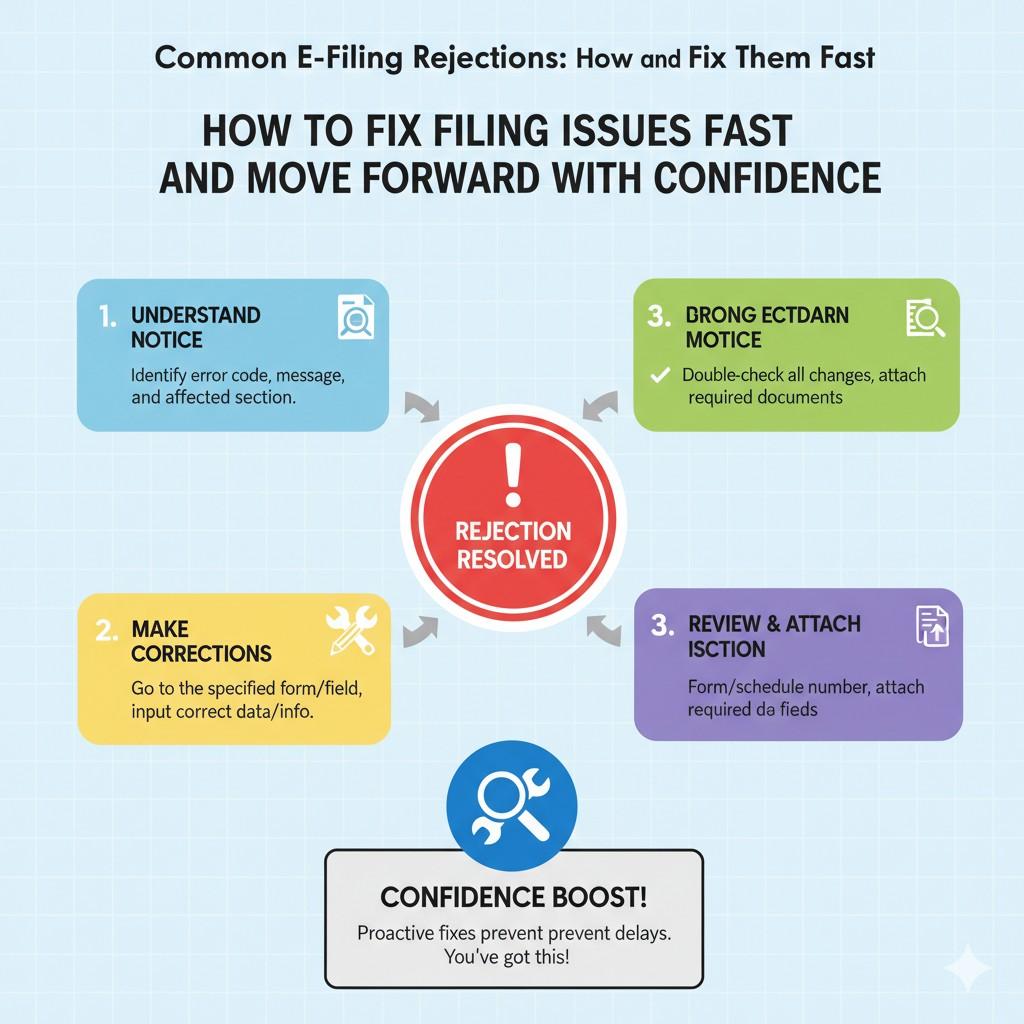
E-filing rejections are common. They are usually fixable. And when handled correctly, they do not define your patent journey.
Your response defines it.
Wrapping It Up
E-filing rejections feel bigger than they are. They look official. They sound serious. They can shake your confidence for a moment. But most of the time, they are small technical gaps between what you submitted and what the system requires. They are not a judgment on your invention. They are not a signal that your idea is weak. They are a reminder that the filing system rewards precision. The founders who win are not the ones who never get notices. They are the ones who respond fast, fix issues cleanly, and improve their process each time.